


Induction cookers have become increasingly popular in American kitchens thanks to their fast heating, energy efficiency, and precise temperature control. Whether you're using a portable induction hob in an apartment, RV, dorm room, or home kitchen, learning how to use it properly will help you achieve better cooking results and extend the life of your appliance.
How to Use an Induction Cooker for the First Time?
Set Up Your Induction Cooker Correctly
Before you start cooking, it's important to ensure your induction cooker is set up properly. A correct setup helps the appliance perform efficiently and prevents common operating issues.
Make sure your induction cooker is:
- Placed on a flat, stable, and dry surface.
- Connected securely to a properly grounded electrical outlet.
- Used with induction-compatible cookware made from magnetic materials.
If you're unsure whether your cookware is suitable, simply place a magnet on the bottom of the pan. If the magnet sticks firmly, the cookware should work with an induction cooker.

It's also worth checking the manufacturer's recommendations, as some induction cookers have specific requirements regarding cookware size and shape. Pans that are too large, too small, or have warped, concave, or convex bottoms may not be detected correctly by the cooker. For the best performance, always use cookware that fits within the designated cooking zone.
How Do I Turn on My Induction Cooker?
To turn on an induction cooker, first place a compatible induction-ready pot or pan in the center of the cooking zone. Next, plug the appliance into a properly grounded electrical outlet. Press the ON/OFF button to power on the unit. The display will light up, indicating that the cooker is ready to use.

Once the cooker is on, select either Power Mode or Temperature Mode, depending on your cooking needs. Adjust the setting using the "+" and "–" buttons until you reach the desired power level or temperature.
If the induction cooker does not start heating, check that the cookware is induction-compatible and positioned correctly on the cooking surface. Most induction cookers will not operate unless they detect suitable cookware.
For added convenience, you can also set a cooking timer and activate the child lock feature if needed. When cooking is finished, simply press the ON/OFF button again to turn the appliance off. The cooling fan may continue running for a short time until the unit cools down, which is completely normal.
How to Cook with an Induction Cooker?
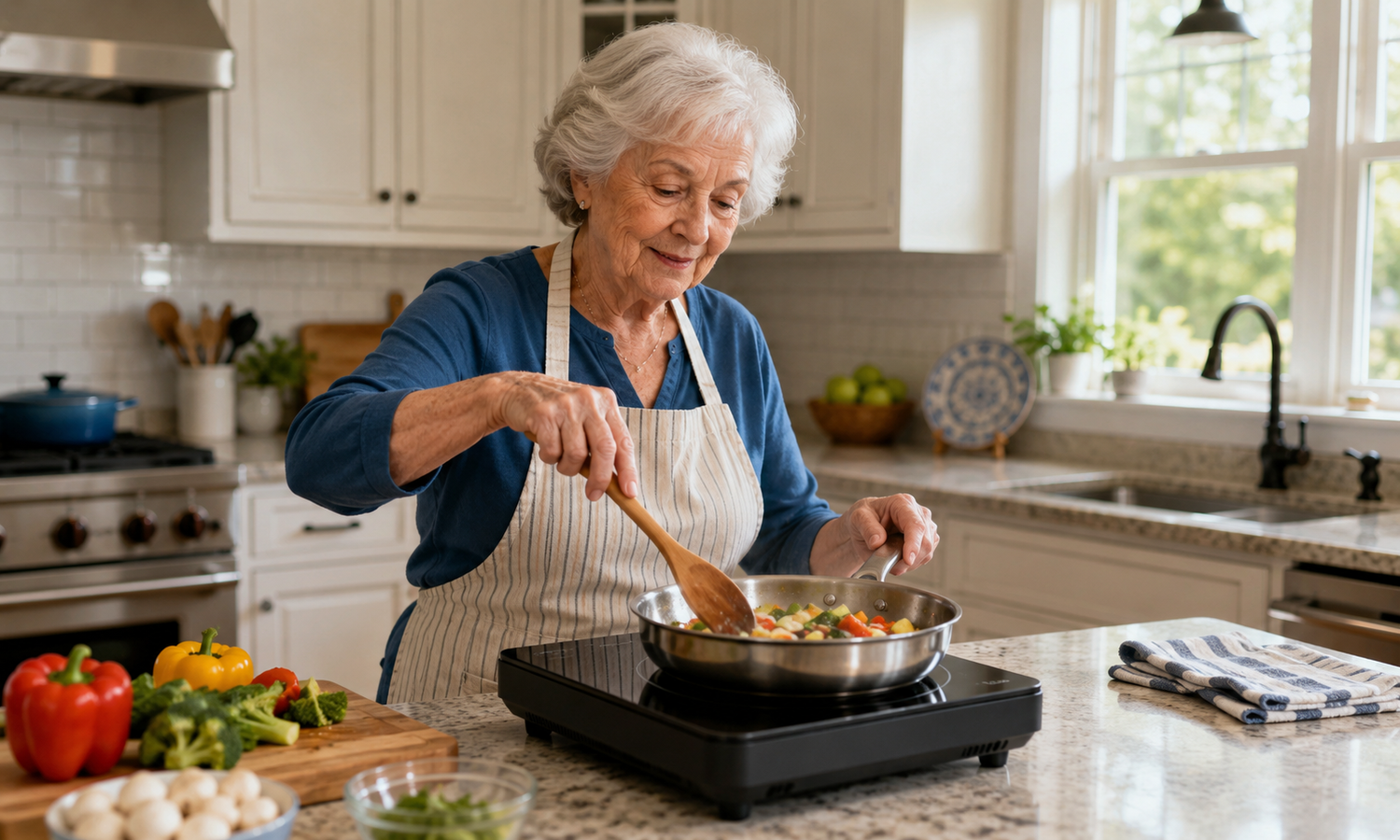
Cooking with an induction cooker is simple once the appliance is turned on. Start by placing induction-compatible cookware in the center of the cooking zone and adding your ingredients. Select either a power level or a temperature setting, depending on the type of food you're preparing.
For everyday cooking, lower settings work well for simmering sauces, melting butter, or keeping food warm, while higher settings are ideal for boiling water, stir-frying vegetables, searing meat, and other high-heat cooking tasks. Because induction technology transfers heat directly to the cookware, food typically cooks faster than on traditional gas or electric stoves.
As you cook, you can adjust the power or temperature at any time using the control buttons to achieve the desired results. If your induction cooker includes a timer function, set the cooking time and let the appliance automatically shut off when the timer ends.
Choosing the Right Temperature on an Induction Cooker
Different foods require different temperature settings. Here are some common cooking tasks and the recommended temperature ranges:
Low Heat (80°C–130°C / 176°F–266°F)
Ideal for gentle cooking and keeping food warm.
80°C (176°F) – Keep soups, stews, and cooked dishes warm before serving.
100°C (212°F) – Melt butter, chocolate, or cheese without burning.
130°C (266°F) – Simmer sauces, gravy, oatmeal, and delicate foods that require slow, even heating.
Medium Heat (160°C–180°C / 320°F–356°F)
Perfect for everyday home cooking.
160°C (320°F) – Cook scrambled eggs, pancakes, grilled sandwiches, and sauté vegetables.
180°C (356°F) – Pan-fry chicken breasts, cook burgers, sauté onions, peppers, and mushrooms, or prepare pasta sauces.
High Heat (200°C–240°C / 392°F–464°F)
Best for fast cooking and high-temperature recipes.
200°C (392°F) – Boil water quickly for pasta, potatoes, or vegetables.
220°C (428°F) – Stir-fry vegetables, shrimp, or chicken for restaurant-style results.
240°C (464°F) – Sear steaks, brown meat, or create a crispy crust on foods that require intense heat.
Quick Cooking Guide
| Cooking Task | Recommended Temperature |
|---|---|
| Keep food warm | 80°C |
| Melt butter or chocolate | 80–100°C |
| Simmer soups and sauces | 100–130°C |
| Cook eggs and pancakes | 160°C |
| Sauté vegetables | 160–180°C |
| Pan-fry meat | 180–200°C |
| Boil water | 200°C |
| Stir-fry | 220°C |
| Sear steak | 240°C |
How to Use a Pressure Cooker on Induction
A pressure cooker works very well on an induction cooktop, as induction technology provides fast, efficient, and precise heating. To use a pressure cooker safely and effectively, first make sure the cooker is induction-compatible. Most modern stainless steel pressure cookers are suitable, but you can test compatibility by placing a magnet on the bottom—if it sticks firmly, the cooker should work on an induction cooktop.
Before cooking, add your ingredients and the required amount of liquid according to the recipe. Check that the gasket, lid, and pressure valve are clean and properly installed. Place the pressure cooker in the center of the induction cooking zone and select a high power or temperature setting to build pressure quickly.
Once the pressure indicator rises or the cooker reaches full pressure, reduce the heat to a lower setting to maintain steady pressure throughout cooking. For most recipes, a medium heat setting is sufficient after pressure has been reached. Because induction cooktops respond quickly to temperature changes, it's easier to maintain consistent pressure without wasting energy.
When the cooking time is complete, turn off the induction cooker and release the pressure according to your recipe's instructions. Some recipes require a natural pressure release, while others use a quick-release method. Always follow the pressure cooker manufacturer's safety guidelines.
Tips for Best Results
Use a pressure cooker with a flat, induction-compatible base.
Make sure the base size matches the cooking zone as closely as possible.
Never fill the cooker more than two-thirds full unless the recipe specifies otherwise.
Use high heat to build pressure, then reduce to medium or low heat to maintain it.
Monitor cooking times carefully, as induction cooking can be faster than traditional gas or electric stoves.
Always ensure there is enough liquid in the cooker to generate pressure safely.
If your induction cooktop does not recognize the pressure cooker, check that the cookware is induction-compatible and that the bottom is flat and clean. A warped or non-magnetic base may prevent the induction cooker from detecting the pot properly.
Common Induction Cooker Mistakes to Avoid
To get the best performance from your induction cooker, avoid these common mistakes:
Using non-compatible cookware
Blocking ventilation openings
Placing cookware off-center
Running the cooker without a pot or pan
Cleaning the unit before it has cooled down
Using abrasive cleaners that may scratch the glass surface
How to Clean an Induction Cooker
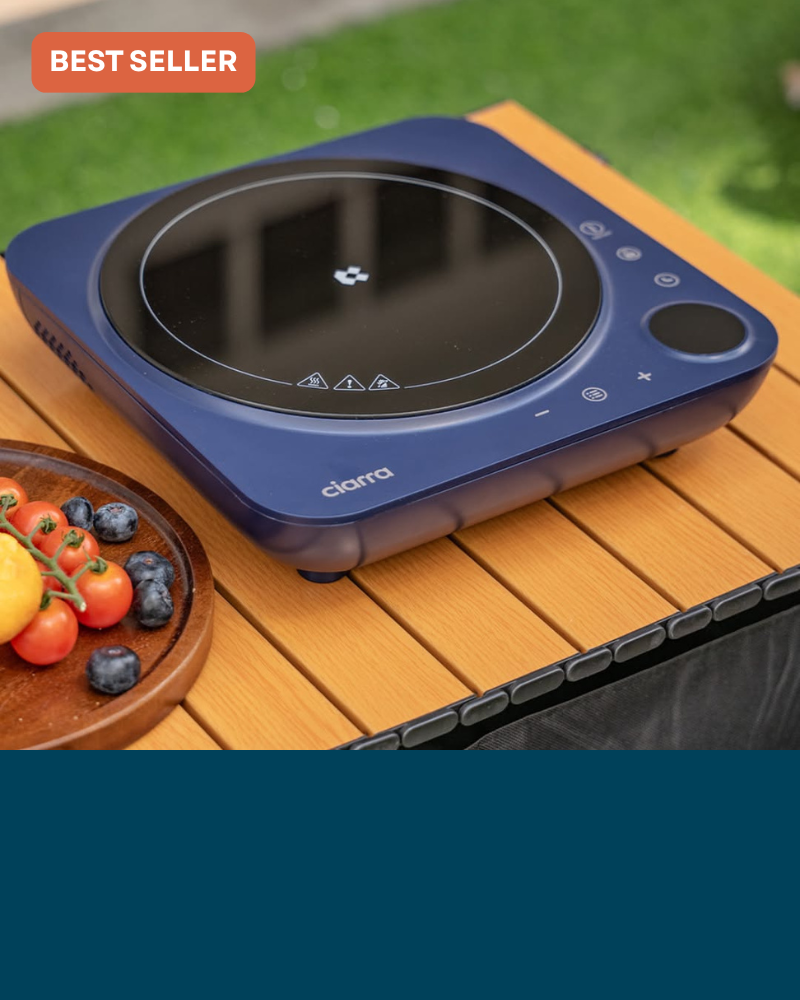
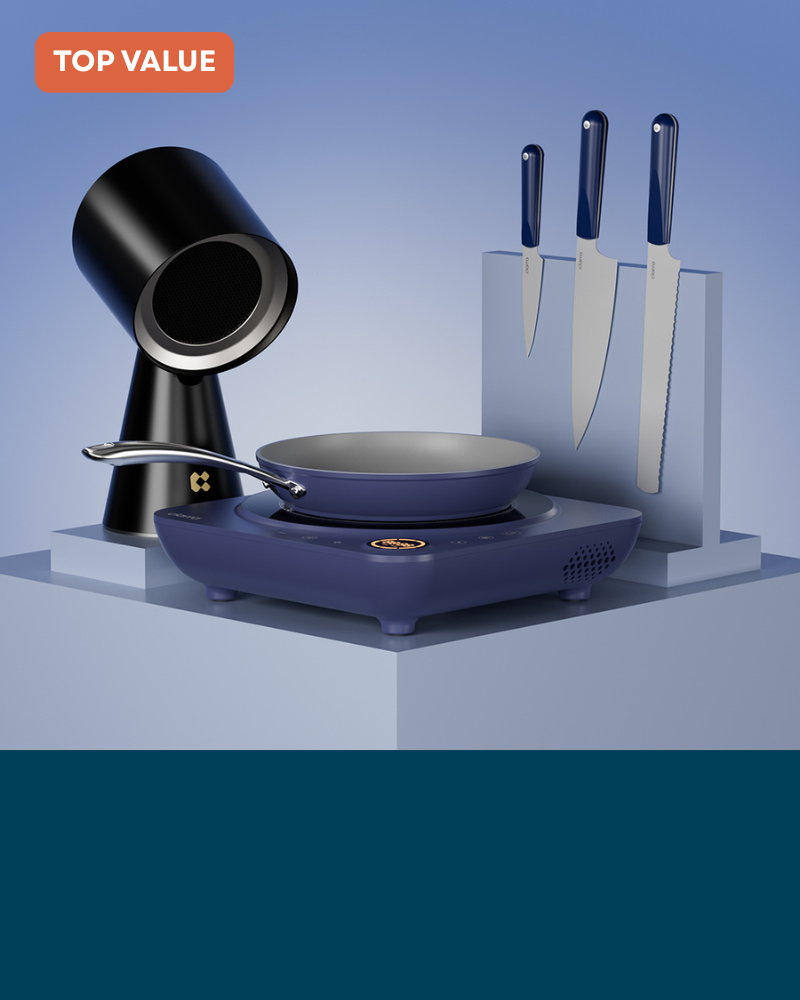
Recommended Product: CIARRA Gadgets Donut Portable Induction Cooktop
For the best pressure-cooking experience, the CIARRA Gadgets Donut Portable Induction Cooktop offers the speed, precision, and convenience that induction cooking is known for.

Why it's a great choice:
- Fast & Efficient Heating – Delivers up to 1500W of power in the U.S., helping pressure cookers reach pressure quickly while using less energy.
- 8 Power Levels & 140°F–460°F Temperature Range – Easily switch from rapid heating to maintaining steady pressure.
- 4-Hour Timer – Perfect for hands-free cooking and longer recipes.
Compatible with Most Pressure Cookers – Works with induction-ready stainless steel, cast iron, and enameled cookware (4–10 inch base diameter).
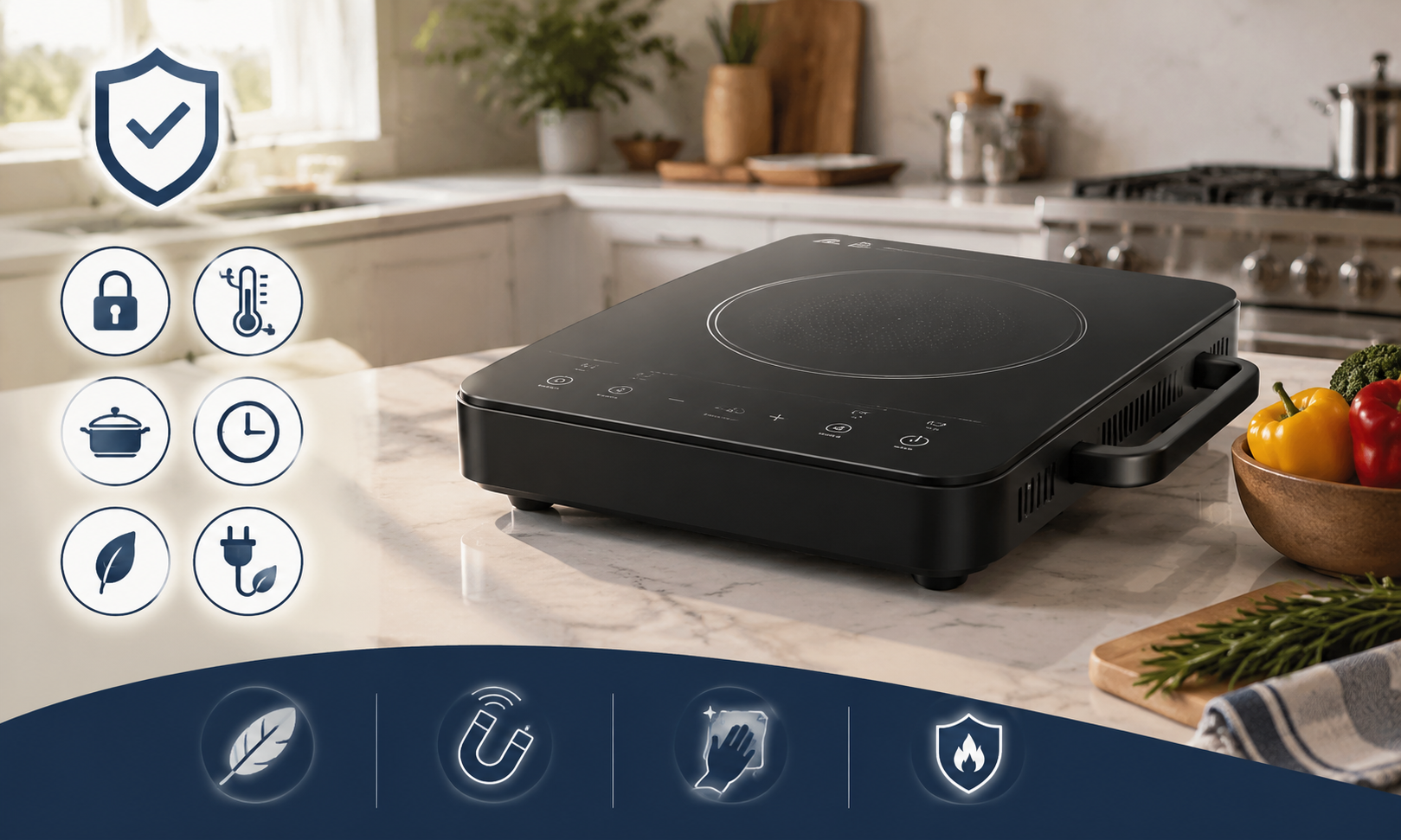
- Built-In Safety Features – Includes a child lock, automatic shut-off, residual heat indicator, and auto-pan detection.
- Portable & Easy to Store – Compact design makes it ideal for apartments, RVs, small kitchens, and outdoor cooking.
With its fast heating, precise controls, and portable design, the CIARRA Gadgets Donut Portable Induction Cooktop is an excellent choice for anyone looking to use a pressure cooker on an induction burner safely and efficiently.
Sources:
Ciarra Gadget Donut. Instruction Manual. https://cdn.shopify.com/s/files/1/0631/5124/3499/files/CBTIH1A_-EU_INSTRUCTION_MANUAL_240705.pdf?v=1744946572

Laisser un commentaire
Tous les commentaires sont modérés avant d'être publiés.
Ce site est protégé par hCaptcha, et la Politique de confidentialité et les Conditions de service de hCaptcha s’appliquent.