


When it comes to modern kitchen appliances, a glass top electric cooktop is a top choice for many American homeowners. These cooktops are sleek, easy to clean, and deliver reliable cooking performance. Whether you are upgrading your kitchen or outfitting a new home, a glass top electric cooktop offers both style and practicality. In this guide, we will explore the key features, benefits, and considerations for choosing the perfect glass top electric cooktop for your home.
What Is a Glass Top Electric Cooktop?
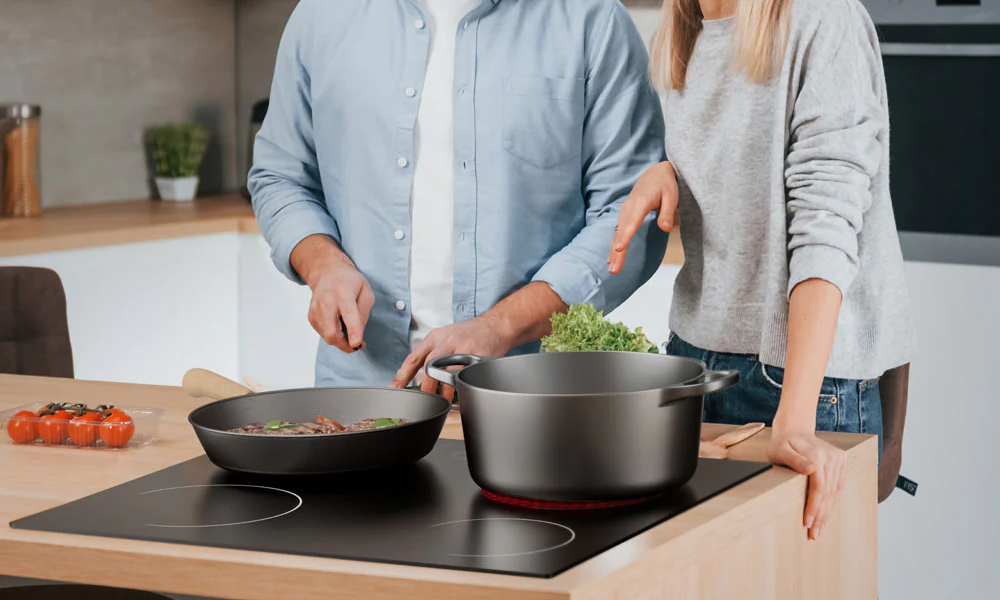
A glass top electric cooktop is a modern cooking appliance with a smooth, flat surface made from tempered glass or ceramic glass. It uses electric coils, radiant elements, or induction technology to generate heat. The sleek design makes it easy to clean, and it provides even heat distribution for efficient cooking. These cooktops are available in various sizes and are popular for their stylish appearance and low maintenance.
There are generally three types of glass top electric cooktops:
- Coil-Based: These use traditional electric coils beneath the glass surface.
- Radiant Element: These cooktops have heating elements located under a smooth glass surface, offering even heat distribution.
- Induction: Uses magnetic fields to heat cookware directly while keeping the cooktop surface cool.
Understanding Glass Cooktop Vulnerability
Glass cooktops, while stylish and modern, are vulnerable due to their unique heat distribution and sensitivity to physical damage. Unlike traditional cooking surfaces like gas burners or electric coils, glass cooktops use heating elements beneath a smooth ceramic-glass surface. This design gives them a sleek, built-in look and makes them easier to clean. However, this smooth surface is prone to scratches, scuffs, and burnt-on residue, which can affect both performance and aesthetics.
The heat distribution in glass cooktops is different from traditional methods. The heating elements emit infrared radiation that passes through the glass to heat the cookware, and the glass itself conducts heat. This dual heat transfer system means that glass cooktops are slower to respond to temperature adjustments and retain residual heat longer after the burner is turned off, making them less efficient in terms of immediate temperature control.
Why Scratches and Damage Affect Performance and Aesthetics
Scratches and damage can disrupt the cooktop's ability to evenly distribute heat. Even minor scratches collect cooking residue and can make the surface look worn over time. Severe damage, such as cracks from heavy cookware or thermal shock from sudden temperature changes, can compromise the integrity of the cooktop, potentially leading to further performance issues or even complete breakage.
To avoid damage, it’s important to use appropriate cookware, avoid placing heavy objects on the cooktop, and clean the surface gently with non-abrasive materials.
Common Damage Scenarios and Their Causes
- Heavy Cookware Impacts: Dropping or forcefully placing heavy pots and pans on the cooktop can crack or chip the glass surface. Sliding heavy items can also cause scratches.
- Thermal Shock: Placing a hot pan on a cold cooktop or exposing the glass to sudden temperature changes (e.g., cold liquids on hot areas) can lead to the glass shattering.
- Exceeding Weight Capacity: Overloading the cooktop with heavy cookware can cause structural damage, leading to cracks or warping.
- Burnt-on Food Residue: Spills left to burn onto the glass can create stubborn, difficult-to-remove stains. If not cleaned properly, this can lead to permanent discoloration or damage.
- Abrasive Cleaning: Using abrasive scrubbers or harsh cleaning products can scratch the surface, compromising its appearance and heat conductivity.
What are the Disadvantages of a Glass Top Electric Stove?
- Delicate Surface: The glass surface is prone to scratches, cracks, and chips, making it more fragile than traditional stovetops. It requires careful handling to avoid damage.
- Difficult to Clean Stubborn Residue: While the flat surface might seem easy to clean, burnt-on food and spills can be challenging to remove. Special cleaning products and techniques are often needed to prevent damage.
- Susceptible to Thermal Shock: Placing hot cookware on a cold surface or exposing the glass to sudden temperature changes can cause the glass to crack or shatter.
- Prone to Scratching: Even minor scratches can accumulate residue, affecting both the look and cooking performance. These scratches can become more visible over time, detracting from the stovetop's sleek appearance.
Is a Glass or Ceramic Cooktop Better?
Choosing between a glass or ceramic cooktop depends on personal preferences and cooking needs.
Glass cooktops are typically made of tempered glass and are known for their sleek, modern look and ease of cleaning, but they can be more prone to scratches and cracks.
Ceramic cooktops, often made from a type of glass-ceramic material, are also easy to clean and provide a similar aesthetic but tend to be more resistant to scratching and can handle higher heat.
Both offer smooth, flat surfaces for efficient heat distribution, but ceramic cooktops generally offer better durability and heat resistance, making them a slightly better option for long-term use. However, glass cooktops may offer a more affordable choice with a sleek appearance, making the final decision a matter of balancing aesthetics, durability, and budget.
What Pans Cannot Be Used on a Glass Top Stove?
On a glass top stove, the type of cookware you use depends on whether the stove is an induction (electromagnetic) cooktop or a radiant cooktop.
Induction Cooktops: These require magnetic cookware, so pans that are not magnetic, like those made from aluminum, copper, or glass, cannot be used.

Radiant Cooktops: While they can work with most cookware, avoid using heavy, rough-bottomed pans, like cast iron or stoneware, which can scratch the surface. Additionally, pans with uneven or warped bottoms can lead to poor heat distribution and damage to the cooktop.
In both cases, it's best to use cookware with smooth, flat bottoms to avoid damage to the glass surface.
Best Practices for Glass Cooktop Protection
Proper lifting techniques: Always lift pots and pans completely off the surface instead of sliding them to avoid scratches and surface damage.
Protective accessories: Use silicone mats or heat diffusers designed for glass cooktops to provide extra protection against heat and scratches.
Inspect cookware: Check that cookware has a flat, smooth bottom and is of appropriate weight before use to ensure it makes full contact with the heating element without causing damage.
Key Takeaways: Proper handling, regular cleaning, using protective accessories, and ensuring cookware compatibility are essential for preserving the longevity and appearance of your glass cooktop.
Cleaning Routines for Both Cookware and Cooktop
To maintain a glass cooktop and cookware, it's important to clean both regularly. For the cooktop, use non-abrasive cleaners and soft cloths or sponges to avoid scratching the surface. Clean up spills immediately to prevent burnt residue buildup. For cookware, ensure that pots and pans are thoroughly cleaned to avoid transferring food particles or grease to the cooktop. Avoid using rough scrubbers on both the cookware and cooktop to preserve their integrity. Regular cleaning not only keeps the surfaces looking new but also ensures optimal cooking performance.
For those in search of high-quality, easy-to-use cooktops, Ciarra Gadgets offers fantastic solutions.
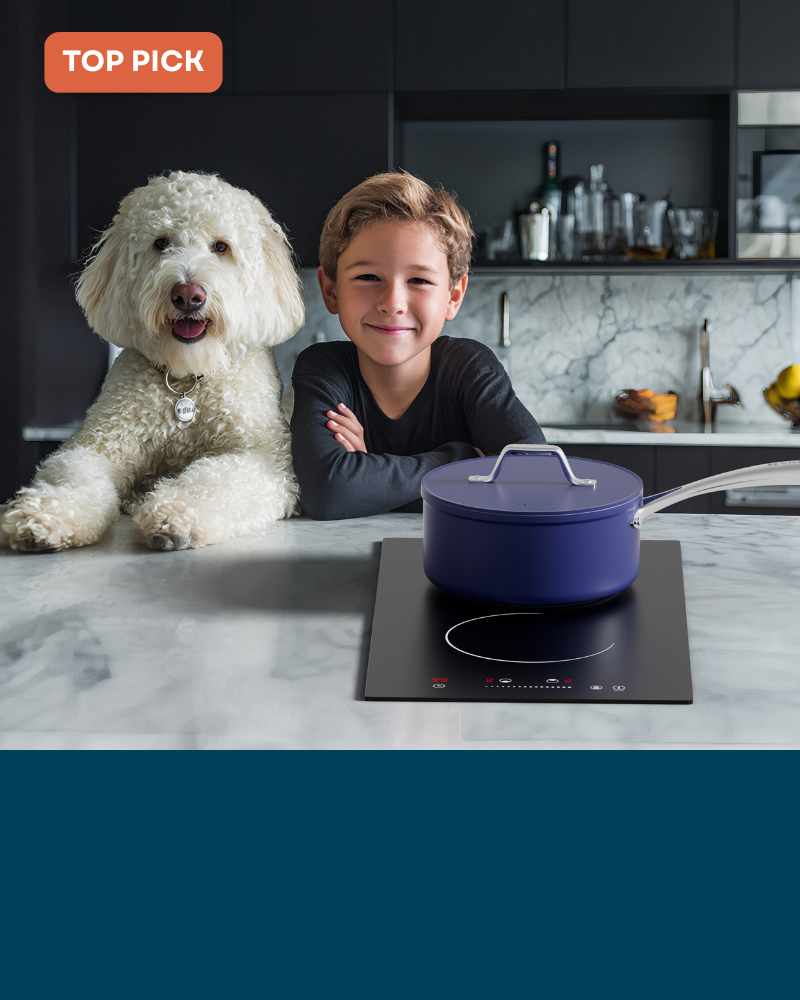
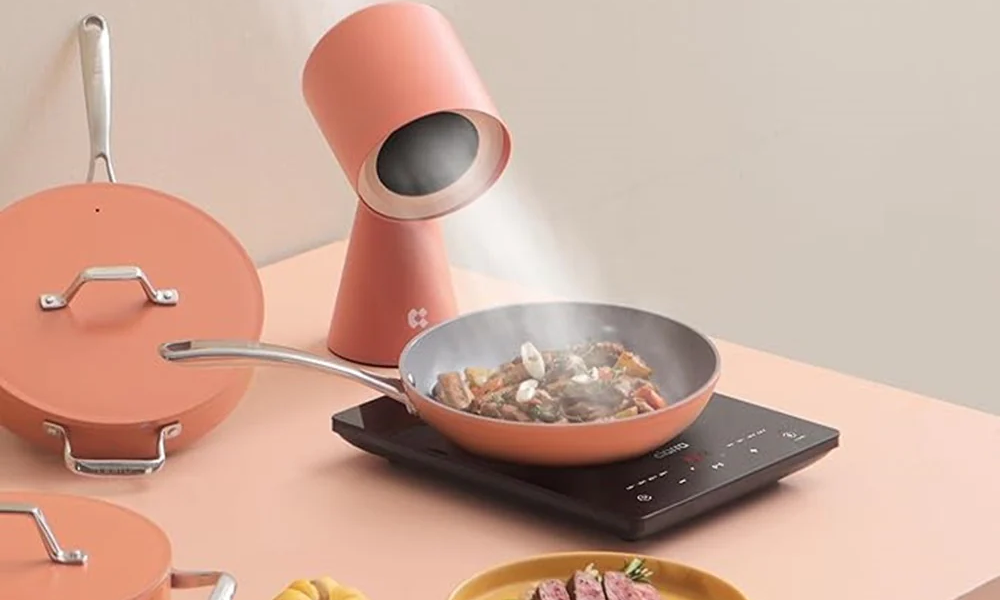
Gadgets 30cm 2-Zone Electric Ceramic Hob- Shop Now
The Gadgets 30cm 2-Zone Electric Ceramic Hob provides powerful dual-zone heating, universal cookware compatibility, and an easy-to-clean black crystal glass surface. With features like a 99-minute timer and auto shut-off, it’s perfect for precise and efficient cooking, while the compact design makes it ideal for small spaces.

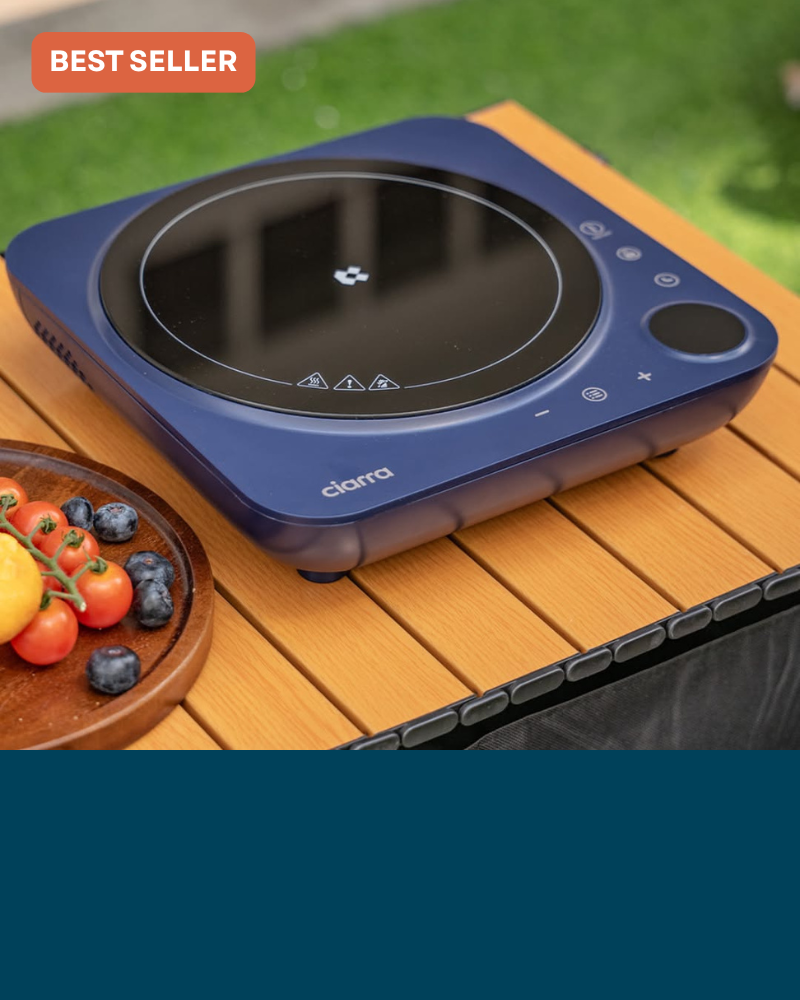
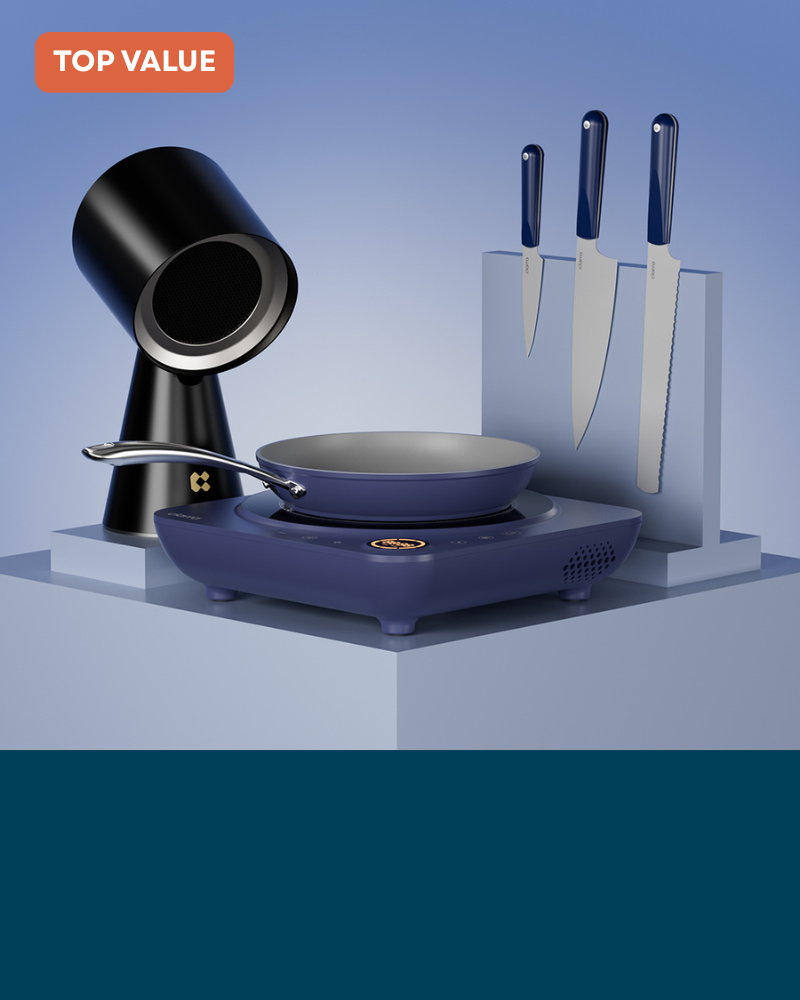
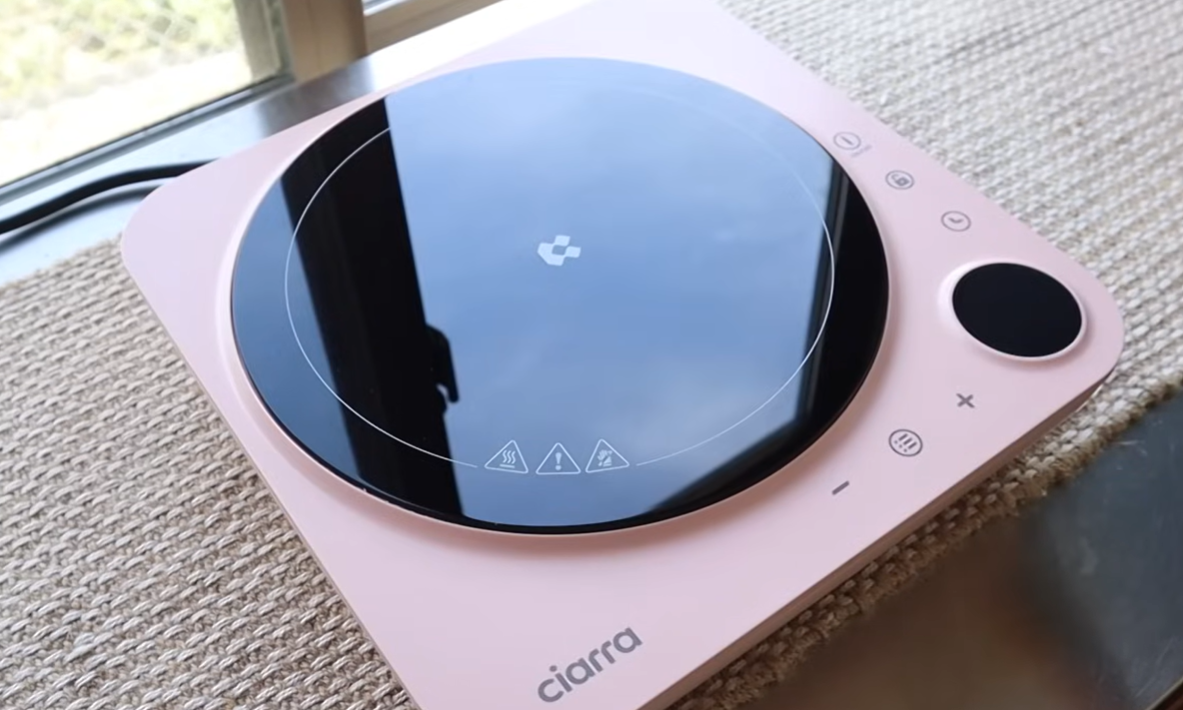
Gadgets Donut Portable Induction Cooktop- Shop Now
Alternatively, the Gadgets Donut Portable Induction Cooktop is a sleek, portable solution for cooking anywhere—from home to backyard gatherings. With 8 power levels, a 4-hour timer, and compatibility with magnetic cookware, it offers energy-efficient cooking and rapid heating. It’s also designed for easy cleaning and features enhanced safety with child locks and automatic shut-off.

Both products offer convenience, efficiency, and ease of maintenance, making them excellent additions to your kitchen.
Conclusion
A glass top electric cooktop is a smart choice for modern kitchens. Whether you’re looking for an easy-to-clean cooking surface or the energy efficiency of an induction model, there is a glass top cooktop to meet your needs. By considering the size, features, and price range, you can find the perfect cooktop for your kitchen, ensuring that your cooking experience is efficient and enjoyable.

Leave a comment
All comments are moderated before being published.
This site is protected by hCaptcha and the hCaptcha Privacy Policy and Terms of Service apply.