





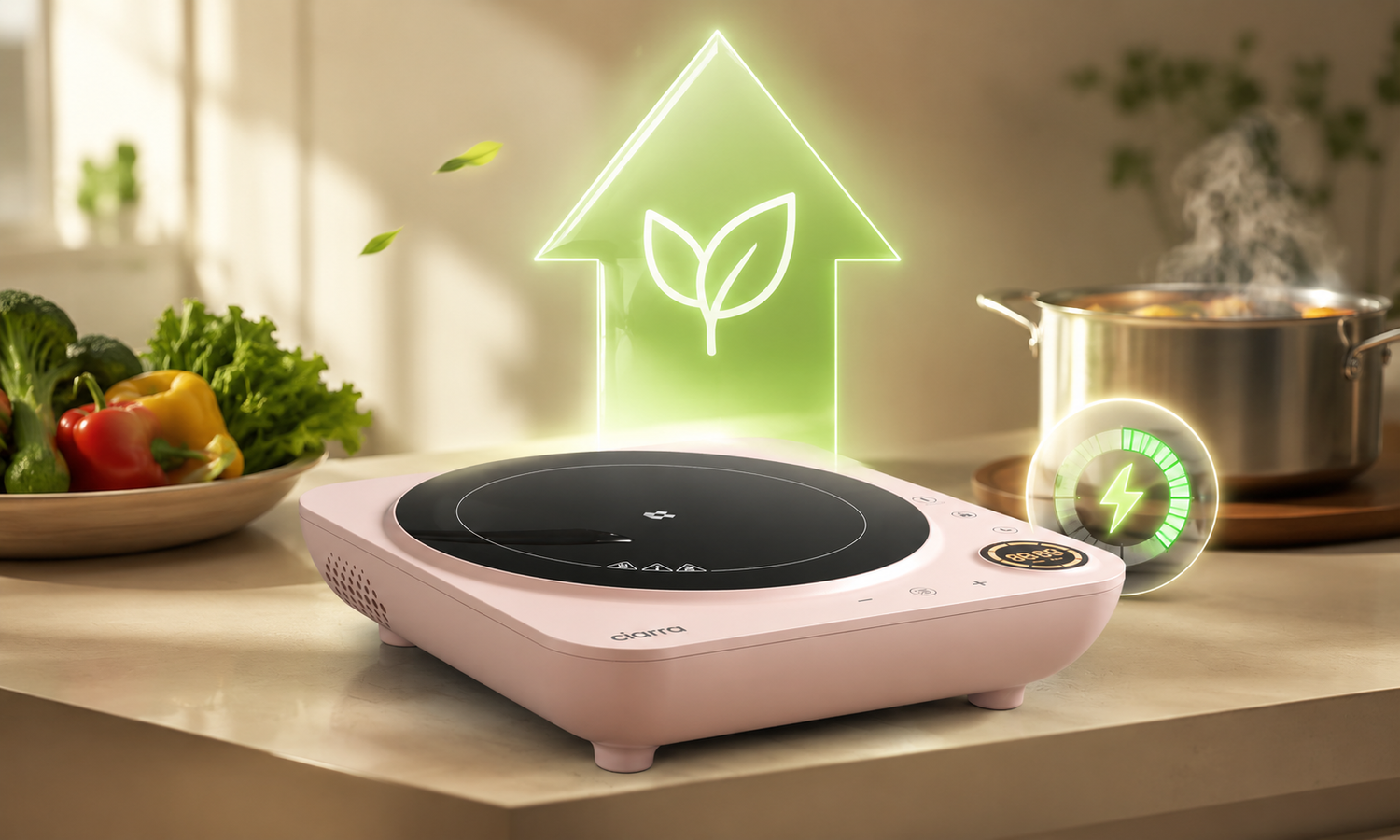
When shopping for the best energy-efficient induction cooktop, most people focus on one specification: wattage. Seeing 1500W on a portable induction burner often makes buyers wonder whether it will increase their electricity bill.
The reality is exactly the opposite.
An induction cooktop may use high power while it's actively heating, but because it transfers energy directly into the cookware, it finishes cooking much faster than gas or traditional electric stoves. Less cooking time means less energy consumed overall.
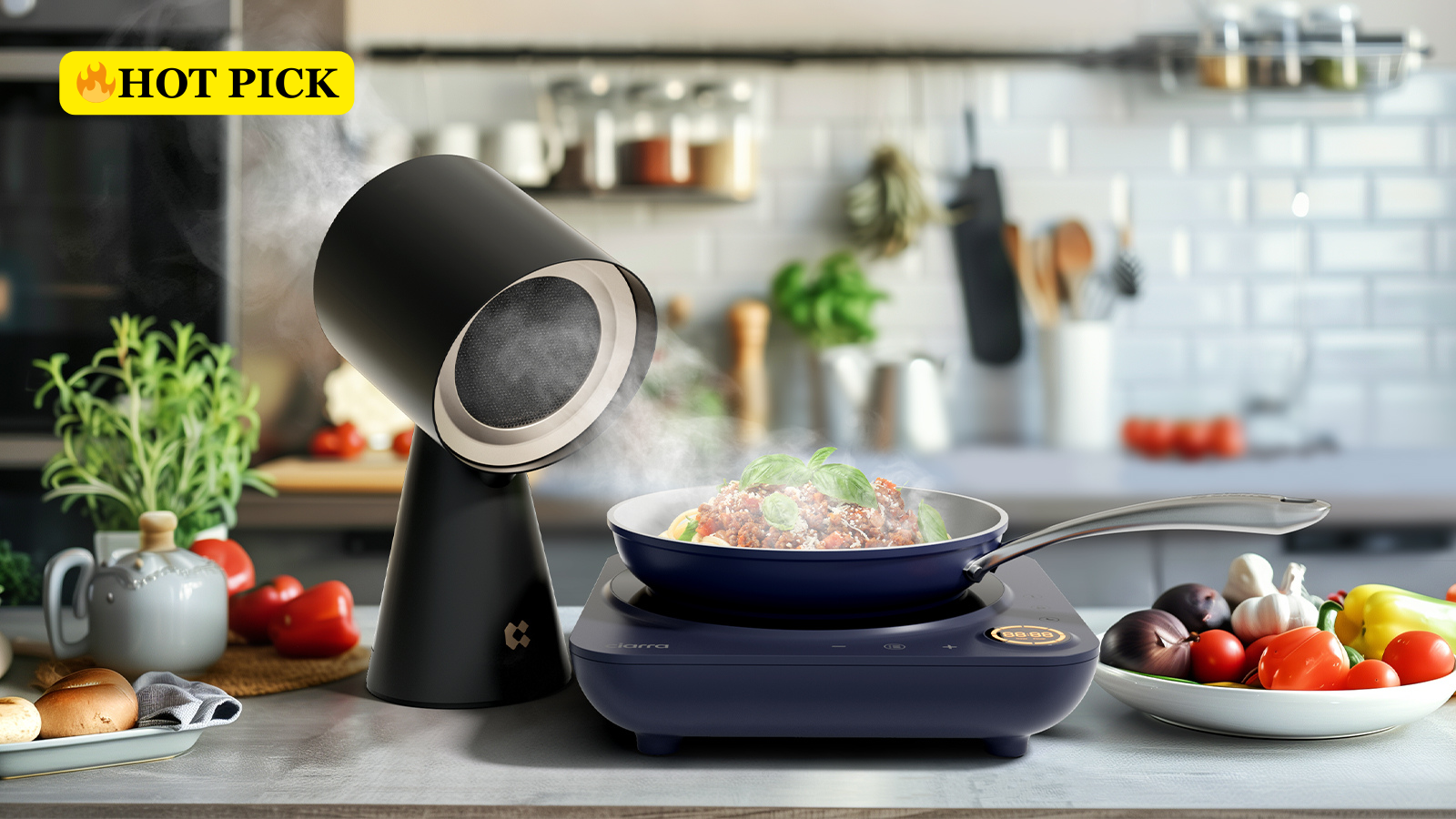
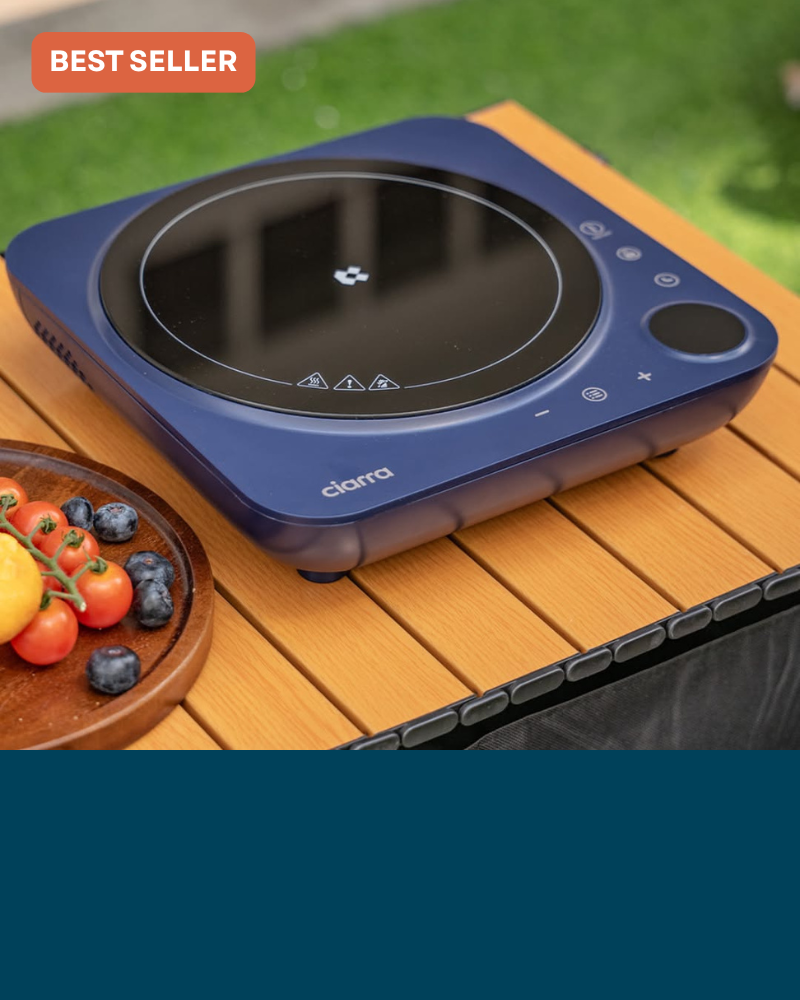
The Gadgets Donut Pink Appliances Portable Induction Cooktop – Sakura Candy takes this concept even further by combining fast induction technology, intelligent energy management, precise temperature control, and portable convenience into a single compact appliance.
Instead of simply claiming "90% heating efficiency," let's look at what energy efficiency actually means in everyday life.
Do Induction Cooktops Use a Lot of Electricity?
No, induction cooktops do not use a lot of electricity—in fact, they are the most energy-efficient cooking technology available today.
While an induction cooktop may draw a high wattage (typically between 1,200W and 3,700W) when operating at max capacity, high wattage does not equal high energy consumption. Energy usage is calculated in kilowatt-hours (kWh), which measures power draw over time. Because induction transfers magnetic energy directly to the pan—achieving roughly 90% energy transfer efficiency compared to 74% for electric coils and just 40% to 55% for gas—it cooks food significantly faster.
For example, boiling a gallon of water on an induction burner takes nearly half the time it takes on a traditional gas stove. Because the burner runs for a fraction of the time, the total kilowatt-hours consumed per meal are noticeably lower.
For the average household, switching to an induction cooktop typically reduces cooking-related electricity consumption by 20% to 50%, keeping monthly utility bills lower while offering faster, cooler, and more precise cooking.
Of course, power consumption varies among different induction cooktops.
Related: Do Induction Cooktops Use a Lot of Electricity
How Conventional Induction Cooktops Secretly Waste Electricity During Daily Cooking?
To truly understand energy savings, we first need to look at how conventional induction cooktops secretly waste electricity during daily cooking.
While many induction cooktops boast high efficiency numbers on paper, their internal design often leads to unexpected power consumption:
The Duty-Cycle Trap (Frequent On/Off Cycling)
Most standard or budget induction cooktops regulate low temperatures by rapidly switching the internal power switch on and off at full wattage (e.g., pulsing 1800W on and off to simulate a lower heat). Every single power cycle creates voltage spikes and startup current draws, wasting significant electricity just to maintain a gentle simmer.

Inaccurate Temperature Sensing
Low-end units rely on primitive bottom-surface sensors that lag behind actual cookware temperatures. This thermal delay causes the heating coil to stay on longer than necessary, constantly overshooting the target temperature and burning extra power.
Idle & Standby Power Drain
Many everyday portable burners lack smart auto-off protocols. Even when idling or holding a meal warm, inefficient cooling fans and poorly designed internal transformers continuously pull unnecessary watts from your outlet.
Mismatched Coil Heating Zones
Standard burners often use fixed, poorly distributed copper coils. When you place a smaller pan on a larger zone, excess magnetic energy is lost around the perimeter, lowering thermal coupling and extending total heating times.
Which Cooktop is Most Energy-efficient?
The Donut Portable Induction Cooktop is the most energy-efficient, and it works differently.
Its electromagnetic induction technology heats only the magnetic cookware instead of the cooking surface or surrounding air.
That means energy goes exactly where it's needed.
Benefits include:
No wasted heat around the cookware
Faster boiling and heating
Cooler kitchen during cooking
Lower overall electricity consumption
Reduced demand on your kitchen ventilation and air conditioning
For families that cook every day, this can translate into meaningful savings over time while making the kitchen noticeably more comfortable.
Why Faster Cooking Actually Uses Less Electricity
Many shoppers assume that higher wattage automatically means higher electricity costs.
That's only part of the equation.
Electricity consumption depends on:
Power × Time = Total Energy Used
The Donut Portable Induction Cooktop delivers up to:
- 1500W (USA)
- 2000W (EU & UK)
The Hidden Secret: Precision Heating Prevents Food Waste
Energy efficiency isn't only about electricity.
It's also about avoiding wasted food.
Many inexpensive electric cooktops regulate temperature by repeatedly switching the heating element on and off.
This causes:
- Uneven simmering
- Burnt sauces
- Overcooked vegetables
- Food sticking to cookware
- Inconsistent cooking results
The Donut Portable Induction Cooktop offers:
8 Precision Power Levels
Temperature control from 140°F to 460°F
Laboratory-tested temperature accuracy
Smooth heat adjustment for delicate or high-heat cooking
Whether you're melting chocolate, gently simmering soup, cooking eggs, or searing steak, the cooktop delivers the right amount of heat without constant overheating.

Better temperature control means:
- Fewer ruined meals
- Better ingredient quality
- Less food waste
- Less need to restart recipes
Saving food is another form of saving money.
Zero Wasted Energy with Smart Pan Detection
One of the smartest energy-saving features isn't speed.
It's knowing when not to use electricity.
The Donut Portable Induction Cooktop automatically detects compatible magnetic cookware.
If:
- the pan is removed,
- the wrong cookware is used,
- or no cookware is detected,
the unit automatically switches off after approximately 60 seconds.
Unlike traditional electric burners that continue producing heat whether or not a pan is present, induction immediately stops consuming unnecessary energy.
The cooktop supports magnetic cookware including:
- Cast iron
- Carbon steel
- Stainless steel
- Enameled iron
with cookware diameters between 4 and 10 inches (120–240 mm).
This intelligent pan detection system helps eliminate accidental energy waste while adding another layer of safety.

Smart Features That Eliminate Everyday Energy Waste
Energy-efficient appliances should also prevent unnecessary electricity use after cooking ends.
The Donut Portable Induction Cooktop includes several intelligent features designed for exactly that purpose.

4-Hour Precision Timer
Set cooking time from one minute up to four hours.
Once the timer finishes, the unit automatically shuts off, preventing forgotten burners from wasting electricity.
Child Safety Lock
Prevents accidental changes to cooking settings while improving household safety.
Automatic Shut-Off
Protects against unnecessary power consumption whenever cookware is removed or incompatible.
Residual Heat Indicator
Lets you know when the cooking surface remains warm, improving both safety and efficient kitchen use.
Together, these features help ensure electricity is only used when it's actually needed.
Why the Donut Portable Induction Cooktop Stands Out
The most energy-efficient induction cooktop isn't simply the one with the highest efficiency rating.
It's the one that reduces waste in every part of the cooking experience.
The Donut Portable Induction Cooktop achieves this through:
- Direct induction heating with virtually no wasted heat
- Cooking up to 50% faster than conventional gas or electric cooktops
- Heating only the cookware for zero unnecessary energy loss
- 8 precision power levels from gentle simmering to rapid boiling
- Temperature control from 140°F to 460°F
- Smart auto pan detection with automatic shut-off
- 4-hour programmable timer for unattended cooking
- Child safety lock and residual heat indicator
- Low-noise cooling optimization
- Compact portable plug-in design
- Durable, easy-to-clean premium glass surface
Instead of wasting electricity heating your kitchen, this induction cooktop focuses every watt where it belongs—your cookware.
FAQs
How Do Induction Cooktops Save Money on Utility Bills Compared to Gas or Electric?
Induction stoves convert up to 90% of their energy into cooking heat, whereas gas stoves waste over 45% to 60% of their heat into the surrounding air. By reducing cooking energy consumption by 20% to 50% and keeping your kitchen cooler (reducing air conditioning usage), induction cooktops offer meaningful long-term utility savings.
Why Does High Wattage on an Induction Cooktop Actually Save Energy?
Higher wattage allows the cooktop to reach target temperatures almost instantly—bringing water to a boil in under two minutes in boost mode. Because the unit operates for a fraction of the time required by traditional burners, overall kilowatt-hour (kWh) usage per meal is reduced.
What Makes Cheap Induction Cooktops Waste Energy, and How Do Efficient Models Fix It?
Budget induction burners often use high-wattage on/off power cycling (duty-cycling) to maintain lower temperatures, causing repeated power spikes that waste electricity. Advanced, energy-efficient models utilize continuous low-power inverter technology and precise temperature sensors to deliver steady heat without wasting power through constant cycling.
How Can I Maximize Energy Efficiency When Cooking on an Induction Cooktop?
To get the best energy efficiency, always use flat-bottomed, induction-compatible cookware, match your pan size to the correct cooking zone, and leverage the burner's residual heat to finish cooking after switching off the power

Laat een reactie achter
Alle reacties worden gemodereerd voordat ze worden gepubliceerd.
Deze site wordt beschermd door hCaptcha en het privacybeleid en de servicevoorwaarden van hCaptcha zijn van toepassing.