








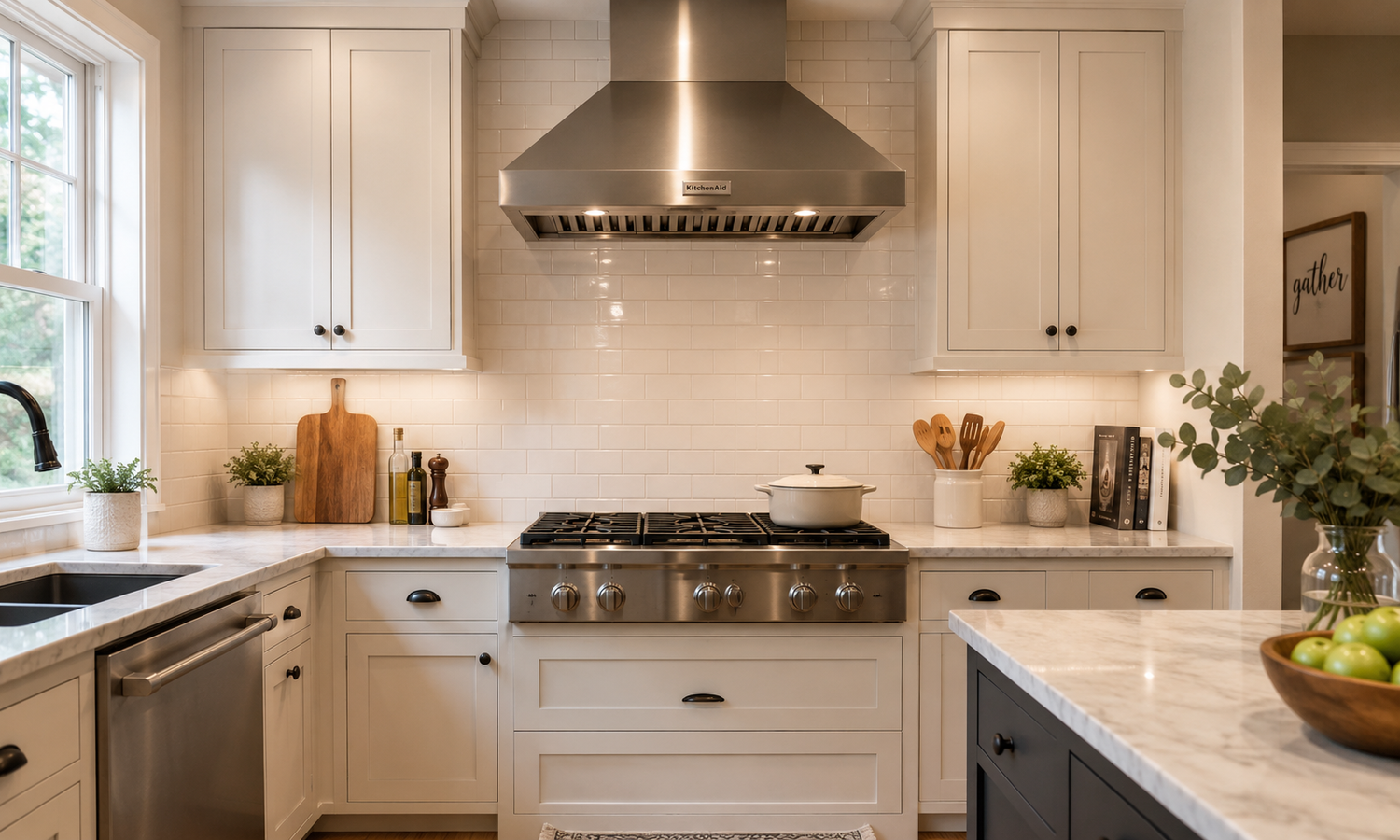
Gas stoves have long been popular in American kitchens because they offer fast heating, precise temperature control, and a professional-style cooking experience. However, growing health concerns, stricter building codes, and changing consumer preferences are leading many homeowners to question whether gas stoves are still the best option.
If you still plan to cook with gas, proper ventilation is no longer optional. A high-quality range hood can help reduce smoke, grease, odors, carbon monoxide, and airborne pollutants that gas burners release into your home.
This guide explains why gas stoves are being discontinued in some areas, the health risks associated with poor ventilation, and how to choose the best range hood for a gas stove.
Why are Gas Stoves Being Discontinued?
You may have seen headlines about gas stoves being "banned" or discontinued. While the federal government is not confiscating existing appliances, several U.S. states and municipalities (including parts of California, New York, and Washington, D.C.) have passed building codes that restrict or phase out fossil fuel hookups in new residential constructions. The goal is twofold: reducing greenhouse gas emissions and protecting building occupants from indoor air pollutants.
Gas stoves release combustion byproducts such as:
- Nitrogen dioxide (NO₂)
- Carbon monoxide (CO)
- Formaldehyde
- Fine particulate matter
Without proper ventilation, these pollutants can accumulate indoors and negatively affect air quality.
Can a Gas Stove Cause Dizziness?
Yes, a poorly ventilated gas stove can cause dizziness.
If your kitchen lacks proper mechanical ventilation, these gases can accumulate quickly. Carbon monoxide poisoning, even at low levels, directly restricts oxygen delivery in your bloodstream, leading to symptoms such as: Dizziness and lightheadedness, Headaches, Fatigue or nausea, Respiratory irritation (particularly exacerbating asthma in children)
Common warning signs include:
- Dizziness while cooking
- Headaches after long cooking sessions
- Burning eyes or throat irritation
- Excessive heat and humidity in the kitchen
- Lingering cooking odors
If these symptoms occur frequently, homeowners should inspect both the stove and ventilation system immediately.

Why A Vent Hood Is Important for A Gas Stove
Because gas stoves introduce an open flame and fuel combustion into your living space, their ventilation needs are drastically different from electric or induction alternatives.
Gas vs. Electric Stove Ventilation Needs
- Electric/Induction Stoves: Ventilation is primarily needed to capture grease, steam, smoke, and cooking odors generated by the food itself.
- Gas Stoves: Your hood fan must clear out the grease and smoke from the food plus the chemical toxic byproducts and excess ambient heat generated by the fuel combustion.
Because gas creates higher thermal plumes (columns of rising hot air), it requires a more robust mechanical extraction system to pull those pollutants out of your breathing zone before they spread through your home.
Legal Requirements for Venting A Gas Stove
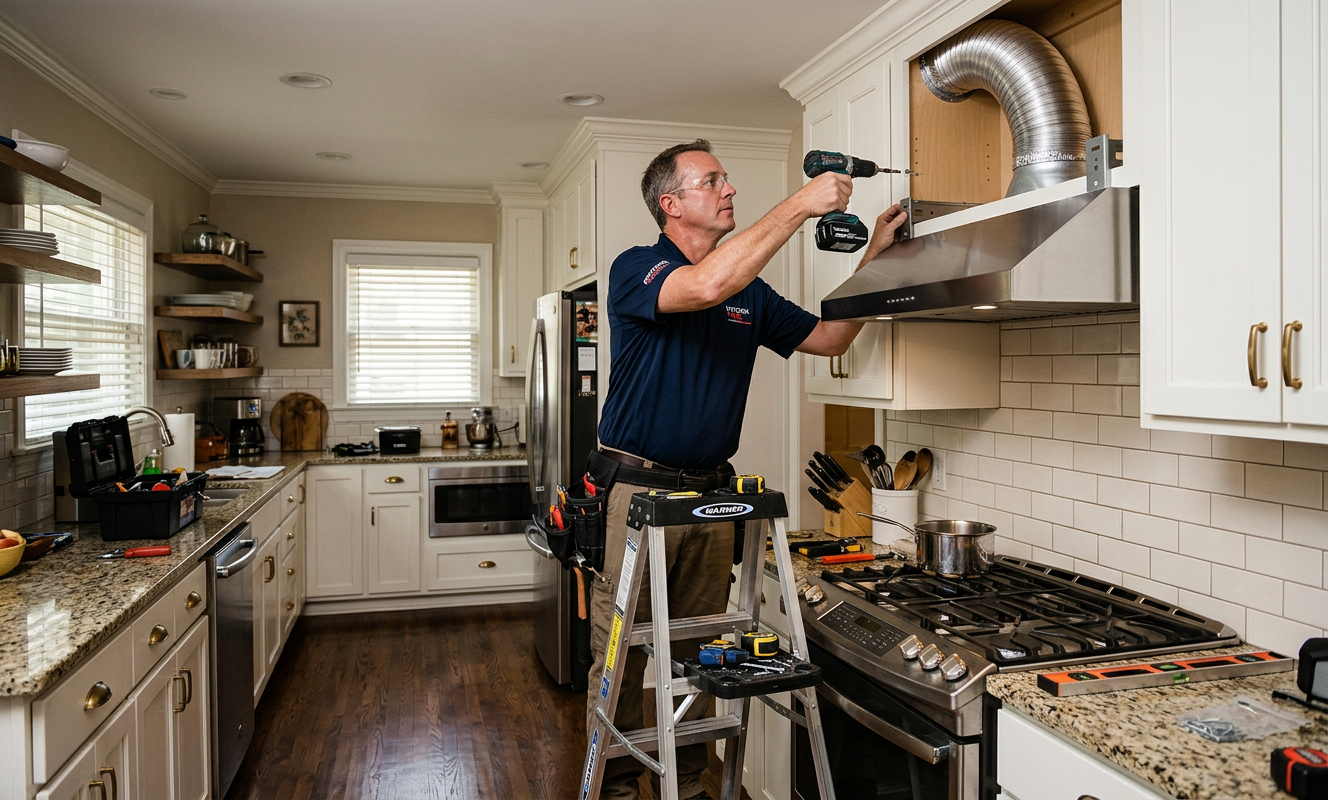
If you want to install a vented range hood for your gas stove, it is important to first understand your local building codes and ventilation regulations. In the United States, gas stove venting requirements can vary depending on your state, city, county, or even your homeowners association (HOA). Before starting installation, homeowners should always verify the latest local requirements to ensure the kitchen ventilation system is compliant and safe.
When installing or upgrading a kitchen exhaust system in the United States, you must abide by local and national building codes.
Legal Requirements for Venting a Gas Stove
Most residential building codes across the U.S. are modeled after the International Residential Code (IRC). While some jurisdictions historically allowed "recirculating" (ductless) hoods for electric stoves, an increasing number of local mandates strictly require ducted, outdoor-vented kitchen exhaust systems for newly installed gas ranges.
Furthermore, if your new hood fan pulls a high volume of air, you may trigger Makeup Air (MUA) regulations. According to the IRC, if an exhaust hood exceeds 400 CFM (Cubic Feet per Minute), you must provide a dedicated source of fresh air brought back into the home to prevent dangerous backdrafting from other gas appliances (like water heaters).
Understanding Makeup Air (MUA) and the 400 CFM Threshold
When designing an effective kitchen ventilation system for a gas range, many homeowners focus solely on maximizing the fan's power. However, pulling a massive volume of air out of a modern home introduces a serious physics problem: negative air pressure.
To address this, the International Residential Code (IRC) enforces strict Makeup Air (MUA) regulations that go into effect the moment a range hood's airflow capacity exceeds a specific threshold.
When you turn on a high-powered range hood (e.g., 600, 900, or 1,200 CFM), it acts like a giant vacuum cleaner, rapidly exhausting massive volumes of air out of the building envelope.
Because the house is tightly sealed, the exhausted air cannot easily be replaced. This creates a state of negative air pressure inside the home. To equalize the pressure, the house will attempt to pull air inward through any opening it can find. This leads to a dangerous phenomenon known as backdrafting.
The Danger of Backdrafting
Instead of fresh air coming in, the negative pressure pulls toxic exhaust fumes downward through the exhaust flues and chimneys of other naturally venting gas appliances in your home, such as:
- Gas water heaters
- Gas furnaces
- Wood-burning fireplaces
Instead of routing dangerous combustion gases (like Carbon Monoxide) safely outside, backdrafting sucks these invisible, odorless gases straight into your living space, creating an immediate health and safety hazard.
The Legal Standard: IRC Section M1503.6To prevent backdrafting, the International Residential Code (IRC) outlines explicit rules regarding kitchen ventilation.
What is a Dedicated Makeup Air System?
A dedicated makeup air system sounds highly technical, but its concept is actually very simple.
What Does It Actually Look Like?
For most residential kitchens, it doesn't involve a massive machine. It typically consists of three simple components:
An outdoor intake vent: A small hood on your outside wall to pull in fresh air.
A motorized damper: A smart, automated metal valve installed inside a 6-inch or 8-inch duct.
A pressure sensor/wire: A connection that links the valve directly to your range hood.

Is It Hard to Install? (The Honest Truth)
For a professional, it is a straightforward, routine job. For a DIYer, it is considered moderately difficult because it requires a mix of three skills:
Carpentry (Easy to Moderate): You have to cut a 6-inch holes through your home's exterior wall to run the fresh-air duct.
HVAC/Ducting (Easy): You need to route a short piece of flexible or rigid ductwork from that outside hole and connect it to your existing home heating/cooling system (HVAC return air duct) or bring it straight to a vent in the kitchen wall/floor.
Electrical (Moderate): You have to run a low-voltage wire (like doorbell wire) from the range hood to the motorized damper. When you turn the hood fan on, this wire sends a signal telling the damper to open automatically.
The Best Alternatives If You Want to Avoid Installation:
If cutting holes and running wires sounds like too much hassle or cost, you have two easy ways to bypass the installation entirely:
Buy a hood with a "CFM Limiter": Many modern wall-mount range hoods or range hood inserts have a built-in feature that locks the fan speed at 395 CFM. Since it never goes over 400 CFM, it is legally exempt from makeup air laws, saving you from installing a system.
Open a window manually: In some relaxed local jurisdictions, inspectors may pass your kitchen if you simply promise to crack open a nearby window whenever you use the high-speed fan (though you should double-check your local city building codes first, as many strict U.S. cities require the automated system).
Residential vs. Commercial Venting Requirements
| Feature | Residential Venting | Commercial Venting |
| Primary Code | International Residential Code (IRC) | International Mechanical Code (IMC) / NFPA 96 |
| Airflow Volume | Typically 300 to 900 CFM | Often 1,500+ CFM; requires extensive engineering |
| Fire Suppression | Optional / Rare | Mandatory automatic wet-chemical fire systems |
| Duct Material | Galvanized steel or aluminum | Heavy-gauge black steel or stainless steel (liquid-tight) |
What to Consider When Choosing A Vent Hood for A Gas Stove
When shopping for a range hood paired with a gas stove, American buyers should focus on three main metrics: CFM power, capture shield size, and ducting style.
1. Calculate the Required CFM (Airflow Power)
For gas stoves, standard practice dictates choosing a hood based on the total heat output of your cooktop, measured in BTUs (British Thermal Units).
The Gas Rule: You need 100 CFM for every 10,000 Total BTUs of your gas range.
Example: If your 4-burner gas stove outputs a combined 45,000 BTUs, you need a range hood with a minimum rating of 450 CFM.

2. Prioritize Ducted Over Ductless
For a gas stove, always choose a ducted installation that vents completely outside your home. A ductless (recirculating) hood uses charcoal filters to trap grease and odors, but it cannot remove carbon monoxide or nitrogen dioxide from your kitchen air; it simply blows those harmful gases right back into your face.
3. Ensure Proper Physical Coverage
The hood should be at least as wide as your range. If you have a standard 30-inch gas stove, get a 30-inch hood—though upgrading to a 36-inch hood provides an extra 3-inch overlap on each side, drastically improving its ability to capture escaping gas fumes.
Key Features
When selecting a vent hood for your gas stove, look for features that enhance performance and everyday convenience:
- Multi-speed fan settings for better control.
- Quiet motor operation for a peaceful kitchen.
- Heavy-duty, dishwasher-safe grease and odor filters.
- LED lighting for enhanced cooking visibility.
- Easy-to-clean designs for minimal maintenance.
- Stylish profiles that blend seamlessly into your kitchen décor.
Alternatives to Traditional Vent Hoods for Gas Stoves
If installing a full ventilation system isn’t possible, there are other ways to manage smoke, odors, and airborne pollutants in your kitchen:
Recirculating Hoods
Recirculating hoods use filters to trap grease and odors before pushing the cleaned air back into the room. While they don't remove heat or combustion gases as effectively as ducted systems, they are a practical option for apartments or homes without exterior ductwork. Regular filter maintenance is key to keeping these systems working properly.

Window Fans or Air Purifiers
A window fan can pull cooking fumes and moisture out of the kitchen when a traditional vent isn’t available. Similarly, a high-quality air purifier with a HEPA and carbon filter can reduce airborne particles and odors. While these solutions aren't as powerful as a range hood, they can improve air circulation in smaller spaces.
Upgrading Kitchen Ventilation
Sometimes, the best solution is a larger upgrade to your kitchen’s overall ventilation. Installing additional exhaust fans, adding operable windows, or improving airflow with a whole-home ventilation system can make a noticeable difference. Even small changes, like using ceiling fans or leaving doors open during cooking, can improve air quality when a full hood installation isn't feasible.
What is the Right Range Hood Height Above a Gas Stove
Even the most powerful hood fan will fail if it is hung incorrectly.
What is the right range hood height above a gas stove?
The industry standard mounting height for a range hood over a gas stove is 24 to 36 inches above the cooking surface.
- Too Low (Under 24 inches): The open flame from your gas burners creates intense heat. Hanging the hood too close presents a severe fire hazard and can warp your hood’s filters or damage internal electronics.
- Too High (Over 36 inches): The rising thermal plume from your gas burners will disperse into the room before it ever reaches the fan intake, rendering the hood ineffective.
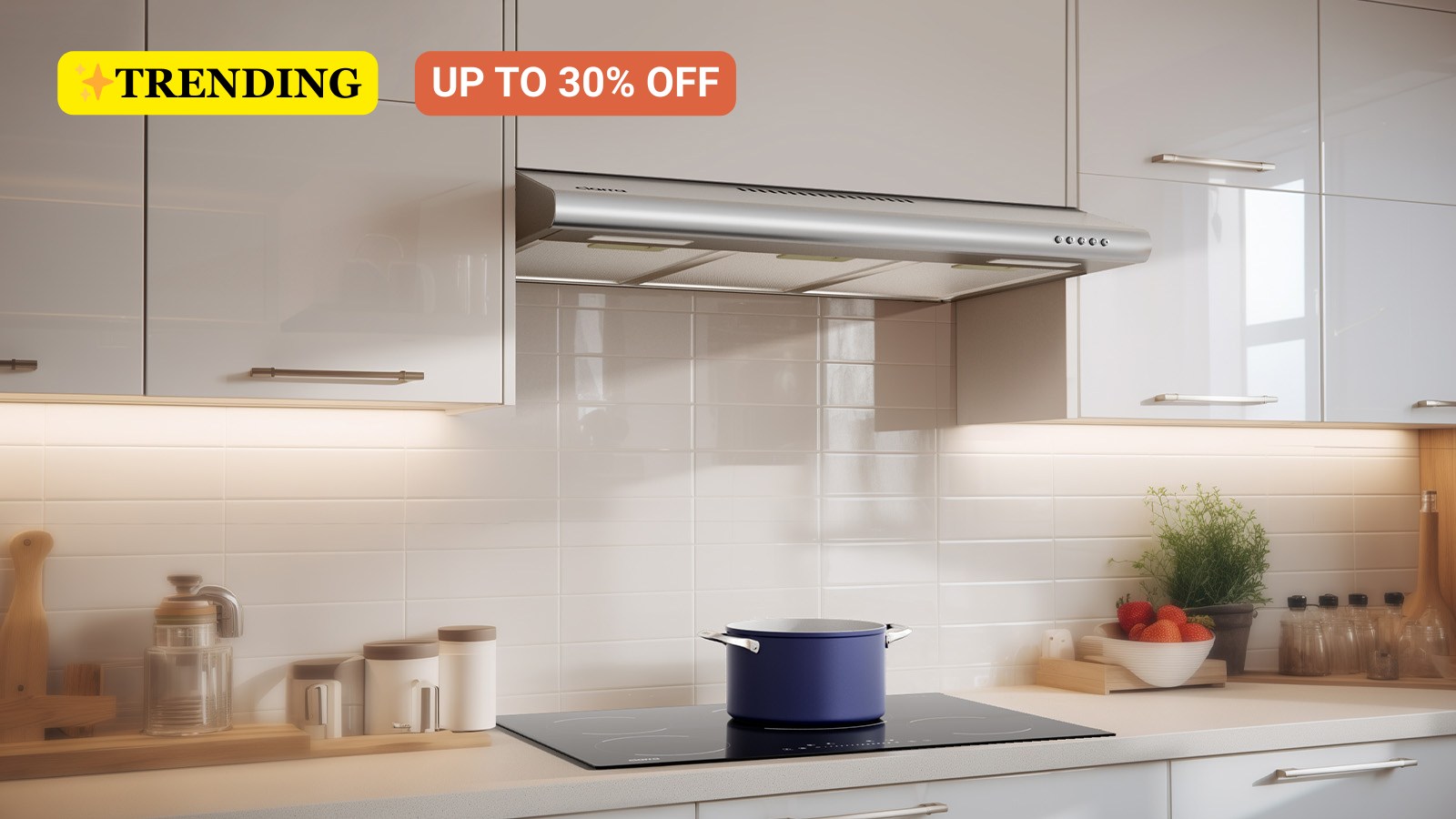
Gadgets 30-Inch Black Wall-Mount Range Hood (650 CFM)
For homeowners running high-BTU gas ranges who want a striking modern aesthetic without compromising on raw extraction power, this sleek black stainless steel hood is a premier choice.
- 650 CFM High Power: Easily handles the heavy smoke, intense heat, and combustion gases of high-BTU gas stoves.
- Wave Gesture Control: Wave your hand to adjust speeds or turn it on/off—no messy hands touching the screen.
- Quiet & Efficient: Operates at a peaceful 3.6 Sones with an energy-saving A+ certified motor.
- Clean Reminder: Removable aluminum filters feature a smart indicator that alerts you when it’s time to clean.
- Code Note: Exceeds 400 CFM, making it perfect for serious cooking; check local codes for Makeup Air (MUA) needs.

Gadgets 30-Inch Wall-Mount Glass Range Hood (450 CFM)
If you love the visual elegance of a contemporary kitchen but still cook on a traditional gas cooktop, this stainless steel and tempered glass canopy hood offers the perfect blend of style and functional protection.

- 450 CFM Airflow: Provides the optimal suction required for standard everyday residential gas ranges.
- Smart Delay Shut-Off: Built-in timer (5–20 mins) runs after cooking to clear out lingering gas fumes automatically.
- Air Refresh Function: Runs on low for 5 minutes every hour to keep indoor kitchen air constantly fresh.
- 5-Layer Grease Filter: Multi-layer aluminum mesh traps airborne grease efficiently to keep the glass canopy spotless.
- Sleek Glass Design: Combines premium brushed stainless steel and tempered glass for a modern look.
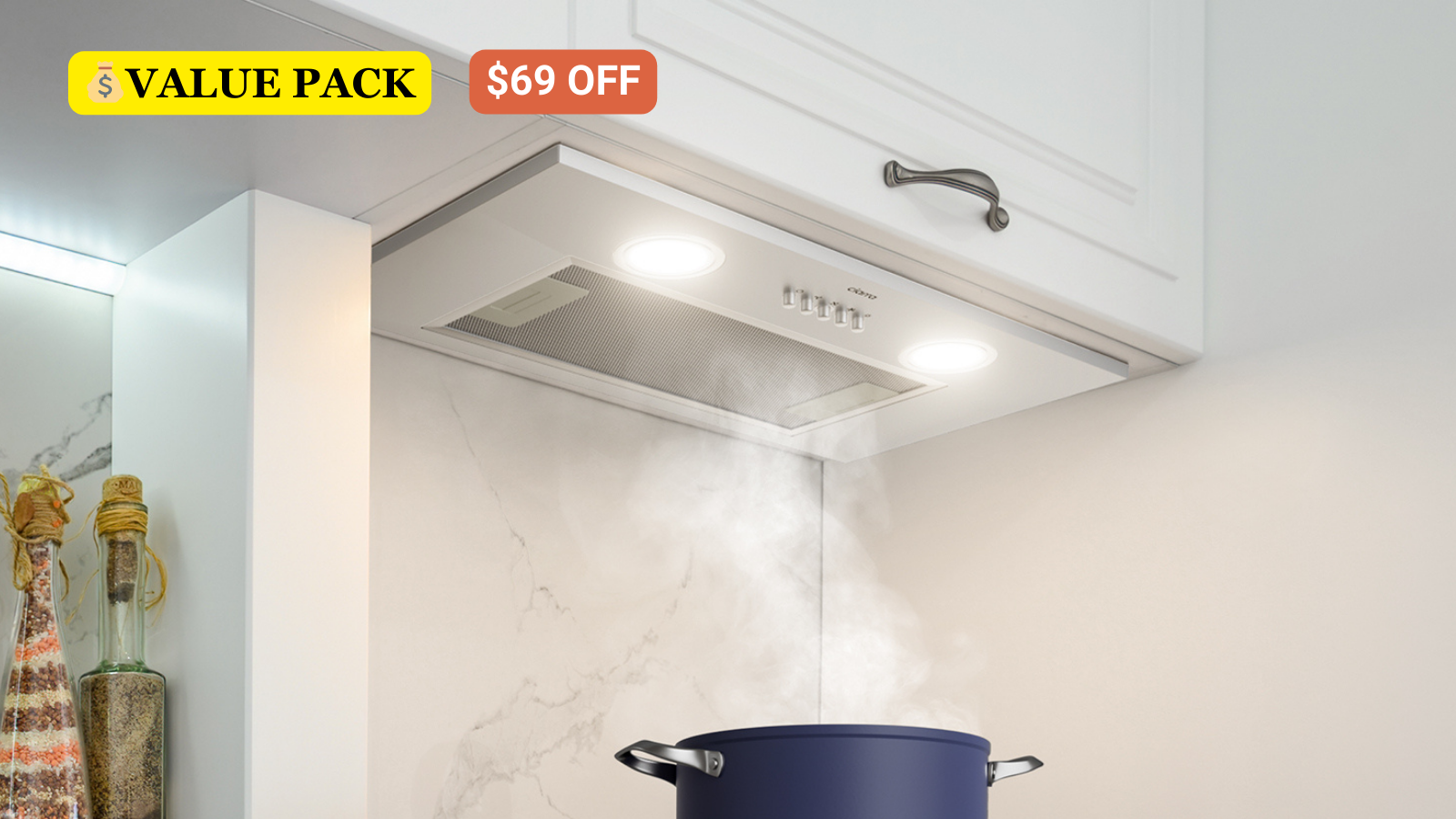
Gadgets 20-Inch Built-In Range Hood Insert (530 CFM)
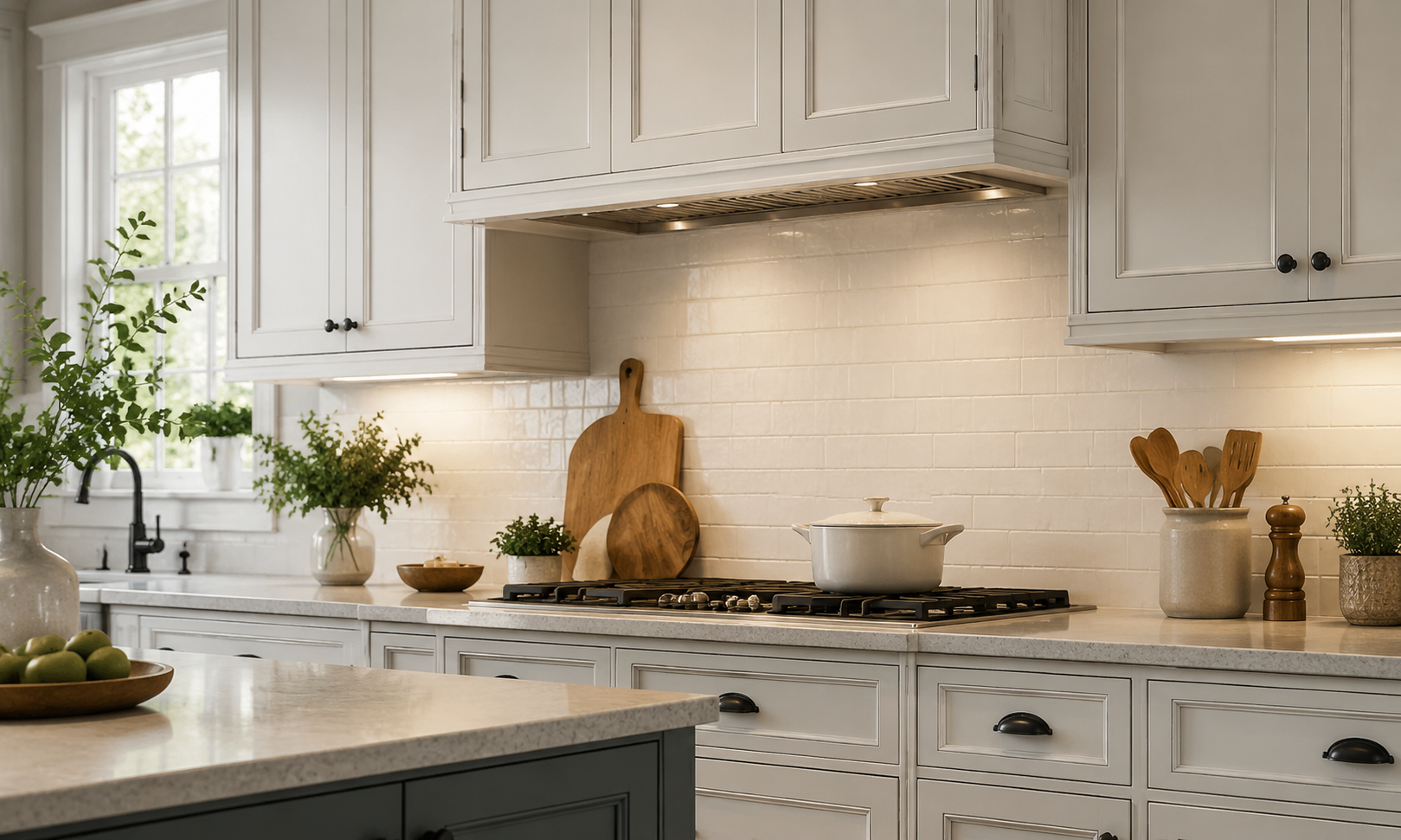
For custom kitchens, smaller spaces, or flush under-cabinet designs, choosing a built-in insert allows you to maintain custom cabinetry styling without sacrificing the high extraction rates required by a gas cooktop.

- Robust 530 CFM Fan: Delivers heavy-duty suction from a compact size, perfect for fighting gas burner emissions.
- Seamless Custom Fit: Hidden, flush-mount insert design that fits perfectly inside custom cabinetry or under cabinets.
- Tactile Push Buttons: Simple, durable physical buttons that work flawlessly even with grease or steam on your hands.
- Focused LED Lights: Energy-efficient lighting that shines directly downward onto your gas cooktop workspace.
- Commercial-Grade Steel: Made of durable silver stainless steel that easily withstands high heat and wipes clean instantly.
Conclusion
Cooking safely with gas in a modern home requires a proper balance of power, code compliance, and smart design. By matching your gas stove's BTUs with a high-CFM, properly installed ducted range hood—like the advanced hands-free, glass canopy, or built-in insert models from Gadgets—you can effectively eliminate harmful combustion byproducts, maintain excellent indoor air quality, and enjoy a safe, professional-grade culinary experience.

Jätä kommentti
Kaikki kommentit moderoidaan ennen julkaisemista.
Tämä sivu on suojattu hCaptcha-tunnistuksella, ja hCaptchan tietosuojakäytäntöjä ja käyttöehtoja sovelletaan.