



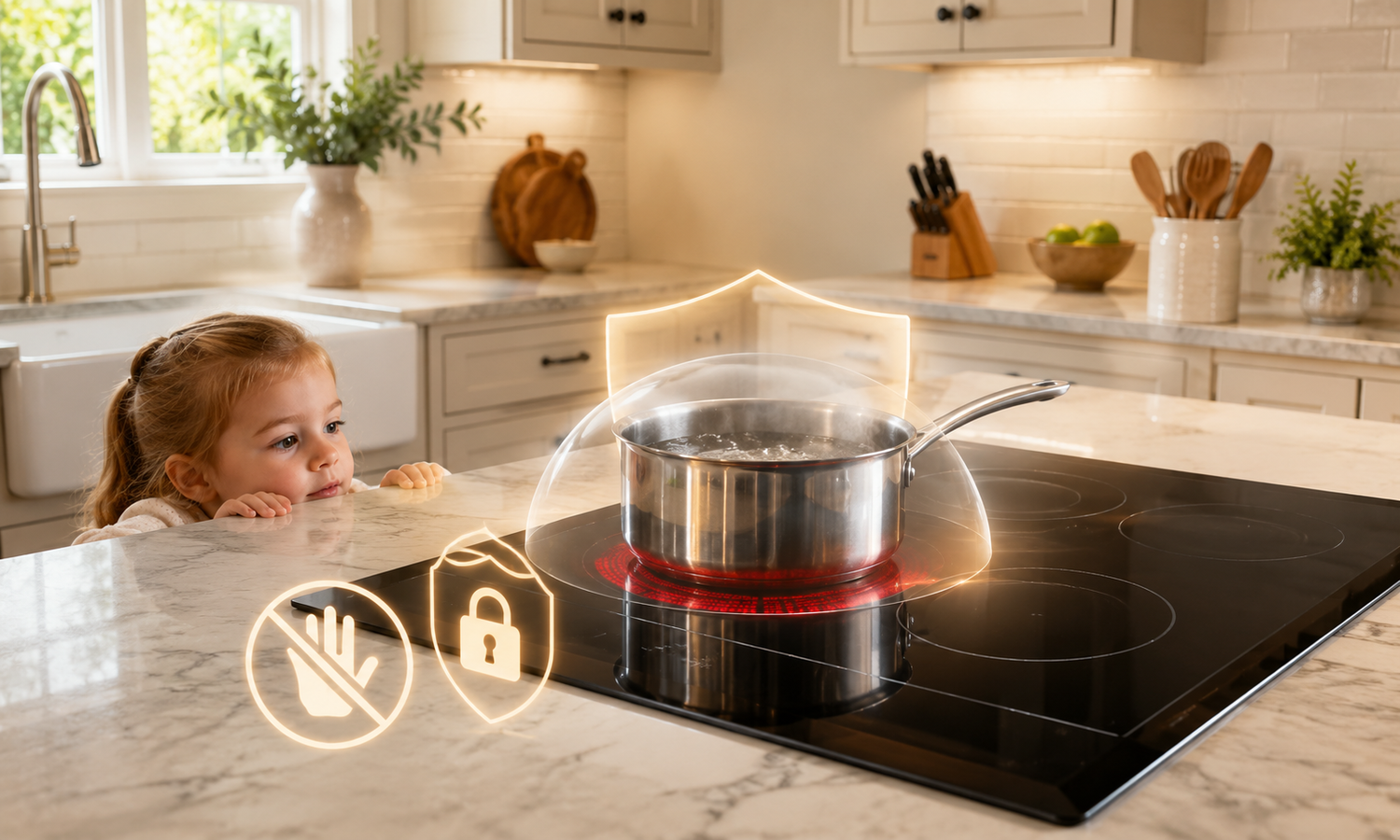
Ceramic cooktops are a staple of modern, sleek American kitchen design, praised for their streamlined looks, easy cleaning, and space-saving flat surfaces. However, making the switch from traditional gas or exposed electric coils can bring up a lot of questions. Is the glass fragile? Will it shock you? Is it safe for your family and pets?
If you are hesitating to hit "Add to Cart" due to safety anxieties, you are not alone. This comprehensive guide directly addresses every safety concern regarding ceramic glass cooktops, helping you buy and cook with absolute confidence.
Is a Ceramic Hob Safe?
Ceramic hobs use a smooth glass-ceramic surface with electric heating elements underneath. Unlike gas stoves, they produce no open flame, which significantly reduces fire risks in the kitchen.
Modern ceramic cooktops also include several built-in safety features:
- Residual heat indicators that warn when the surface is still hot
- Auto shut-off systems for overheating protection
- Flat, stable surface design that reduces tipping hazards
However, while ceramic hobs are considered safe overall, they are not completely risk-free—so are there potential dangers you should be understand?
What Are the Hidden Hazards of a Ceramic Cooktop?
Can My Cat Accidentally Turn On a Ceramic Touch-Control Stovetop?
The Concern: With many U.S. households owning indoor pets, a major fear is a cat jumping onto the countertop, stepping on the capacitive touch sensors, and turning on the burner—potentially causing paw burns or a house fire.
The Safety Reality: Most modern ceramic cooktops require a two-step activation sequence (pressing "Power" then selecting a "Zone" and "Heat Level"). A random paw step rarely triggers this sequence.
The Safe Solution: To eliminate this risk completely, look for models featuring a Control Lock / Child Lock that requires a prolonged 3-second hold to deactivate, or physically isolate the cooktop via the circuit breaker when traveling.

Is It a Fire Hazard If liquid Boils Over on the Glass Surface?
The Concern: American home cooks worry that boiling pasta water or spilled soup might seep into the internal wiring, causing an electrical short circuit, sparks, or a fire hazard.
The Safety Reality: Quality ceramic cooktops feature a completely sealed glass-ceramic top. There are no seams around the heating zones for water to penetrate.
Built-in Protection: Advanced models include an Overflow Detection System. If a pot boils over and liquid covers the control panel, the unit will automatically beep and shut down within seconds to prevent scorching or electrical malfunctions.

Will a Ceramic Cooktop Overheat and Crack My Quartz or Granite Countertop?
The Concern: Radiant ceramic cooktops trap intense heat beneath the glass. Buyers worry this residual heat will transfer to their expensive kitchen island countertops, causing warping, discoloration, or cracks.
The Safety Reality: No. When installed correctly according to U.S. National Electrical Code (NEC) and manufacturer guidelines, the cooktop sits in an insulated chassis. The heat is directed upward into the pan, not outward into your cabinetry or stone countertops.
What Happens If I Accidentally Leave a Ceramic Burner On?
The Concern: Forgetting to turn off the stove after cooking is a leading cause of kitchen fires in the United States.
The Safety Reality: Modern electric ceramic cooktops are equipped with Auto-Shutoff Timers and Overheat Sensors. If a burner is left on for an extended period without any setting changes, or if a pot reaches an unsafely high temperature (dry-burning), the internal thermostat will automatically cut power to that zone to prevent a fire.
The "Slipping Pot" Hazard: Smooth Glass Surface Concerns
The Concern: Unlike gas ranges with heavy cast-iron grates, ceramic surfaces are perfectly smooth. Consumers worry that a greasy pan or aggressive stirring might cause a pot of hot oil or boiling water to slide right off the cooktop.
The Safe Solution: This is a valid user concern. To prevent sliding, always ensure the bottom of your cookware is completely dry and clean before cooking. Avoid using lightweight, warped, or severely dented pans that do not sit perfectly flat on the glass surface.
Can I Use a Ceramic Hob With a Pacemaker?
This is a common concern, especially for users with implanted medical devices.
The good news is:
- Ceramic hobs do NOT generate strong electromagnetic fields
- They use electric heating elements under glass, not magnetic induction
This means ceramic hobs are generally considered safe for people with pacemakers.
Important distinction:
- Ceramic hob = radiant/electric heat (low interference risk)
- Induction hob = strong electromagnetic field (requires caution)
However, individuals with medical devices should always follow their doctor’s specific guidance.
Is It Safe to Use a Chipped Ceramic Hob?
A chipped ceramic hob should be taken seriously, even if the damage looks minor.
While a small chip may not immediately stop the hob from working, it is not considered fully safe for long-term use. Most manufacturers recommend monitoring closely or replacing the unit if damage spreads.
Safety recommendation: If the chip is near a heating zone or continues to grow, stop using the appliance and consult a technician.
Are Ceramic Dishes Cooktop Safe?
There is frequent consumer confusion between a ceramic cooktop (the stove) and ceramic cookware (pots, pans, and baking dishes).
Can You Use Ceramic Dishes on a Ceramic Cooktop?
Generally, pure ceramic, clay, or stoneware bakeware should never be used directly on top of a ceramic glass stovetop.
Because ceramic bakeware conducts heat slowly and unevenly, placing it over a concentrated radiant burner creates intense thermal stress. This can cause the dish itself to violently crack or shatter, spilling hot food everywhere.
Safe Cookware Alternatives
For maximum safety and efficiency, stick to heavy-gauge stainless steel, aluminum, or enameled cast iron cookware with completely flat, smooth bottoms.
What Are the Disadvantages of a Ceramic Hob?
Ceramic hobs have several disadvantages that U.S. consumers should consider before buying.
First, they heat up more slowly compared to induction cooktops, which can make cooking less responsive. They also retain heat for a long time after being turned off, which increases the risk of accidental burns.
Second, the glass-ceramic surface is relatively fragile. It can crack or chip if heavy cookware is dropped on it, and even small damage can worsen over time.
Third, ceramic hobs are prone to scratches and stains, especially if cookware is dragged across the surface or spills are burned on.
Fourth, they are generally less energy-efficient than induction cooktops because heat is transferred through the glass surface rather than directly to the pan.
But ceramic hobs also have advantages
Despite these drawbacks, ceramic hobs still offer several strong benefits that make them a practical choice for many households.
- Sleek, modern design that fits most kitchen styles
- Easy daily cleaning due to smooth flat surface
- No open flame, making them safer than gas in some situations
- More affordable than many induction cooktops
- Compatible with almost all types of flat cookware
So, while ceramic hobs do have some disadvantages—especially in speed, durability, and efficiency—they also provide convenience, affordability, and a clean modern look that many U.S. homeowners still find appealing.
How to Use a Ceramic Hob Safely
Using a ceramic hob safely is mainly about proper cookware handling, temperature control, and careful maintenance.
These cooktops are reliable and easy to use, but following a few key habits will help prevent burns, scratches, and long-term damage.
1. Choose the Right Cookware
Always use cookware with a flat, smooth base so it makes full contact with the glass surface. This ensures even heating and reduces the risk of scratches.
Best options: stainless steel, cast iron, or heavy-bottomed pans
Avoid: warped pans, rough bases, or unstable cookware
Do not slide pots across the surface—always lift and place them down

2. Control Heat and Cooking Behavior
Ceramic hobs retain heat and can become extremely hot, so heat management is important.
Avoid using the highest setting unless boiling water quickly
Never leave cooking food unattended, especially liquids
Do not turn on a burner without a pan on it (dry heating can damage the surface and cookware)
Watch for boil-overs and reduce heat when needed
3. Prevent Burns and Everyday Accidents
The glass surface stays hot even after cooking stops.
Always check the residual heat indicator before touching or cleaning
Keep pot handles turned inward to avoid knocking them over
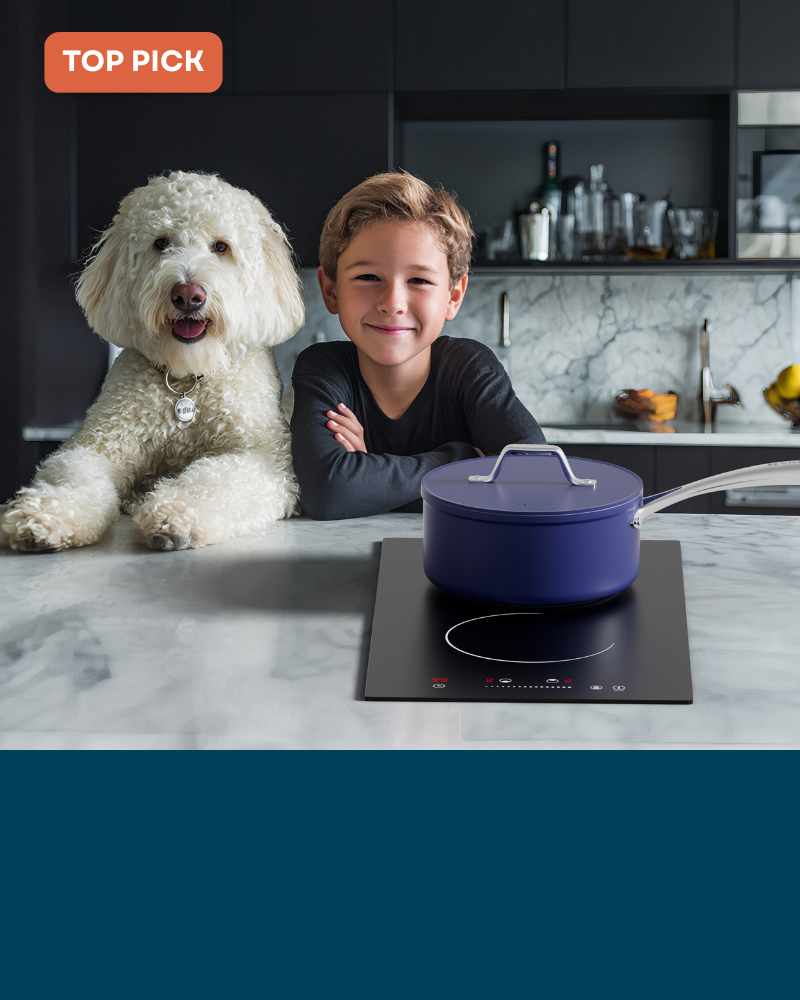
Use the child lock feature if available, especially in homes with kids
Do not place plastic, foil, or other items on a warm surface
4. Clean the Hob Safely
Proper cleaning helps extend the life of your ceramic hob.
Wait until the surface is completely cool before cleaning
Wipe spills immediately after cooking when possible
For sugary spills, remove them quickly using a scraper while the surface is still slightly warm
Avoid abrasive pads or harsh cleaners that can scratch the glass

5. What to Do if Damage Appears
If you notice a crack, chip, or deep scratch, stop using the hob immediately. Disconnect the power if possible and contact a qualified technician. Continuing to use a damaged ceramic hob can increase the risk of electrical hazards or further breakage.
When Should You Replace a Ceramic Hob?
You should consider replacing a ceramic hob if you notice any of the following signs:
- Visible cracks or chips on the glass surface, which can expand under heat and pose safety risks.
- Uneven heating or burners that no longer reach the correct temperature, affecting cooking performance.
- Frequent overheating or erratic temperature control, which could indicate internal faults.
- Electrical issues such as flickering lights, unresponsive controls, or unusual sounds.
- Severe surface damage that cannot be repaired, including deep scratches or fused spills that compromise safety.

Best Ceramic Hob from Gadgets: Safe, Efficient & Family-Friendly Cooking Solutions
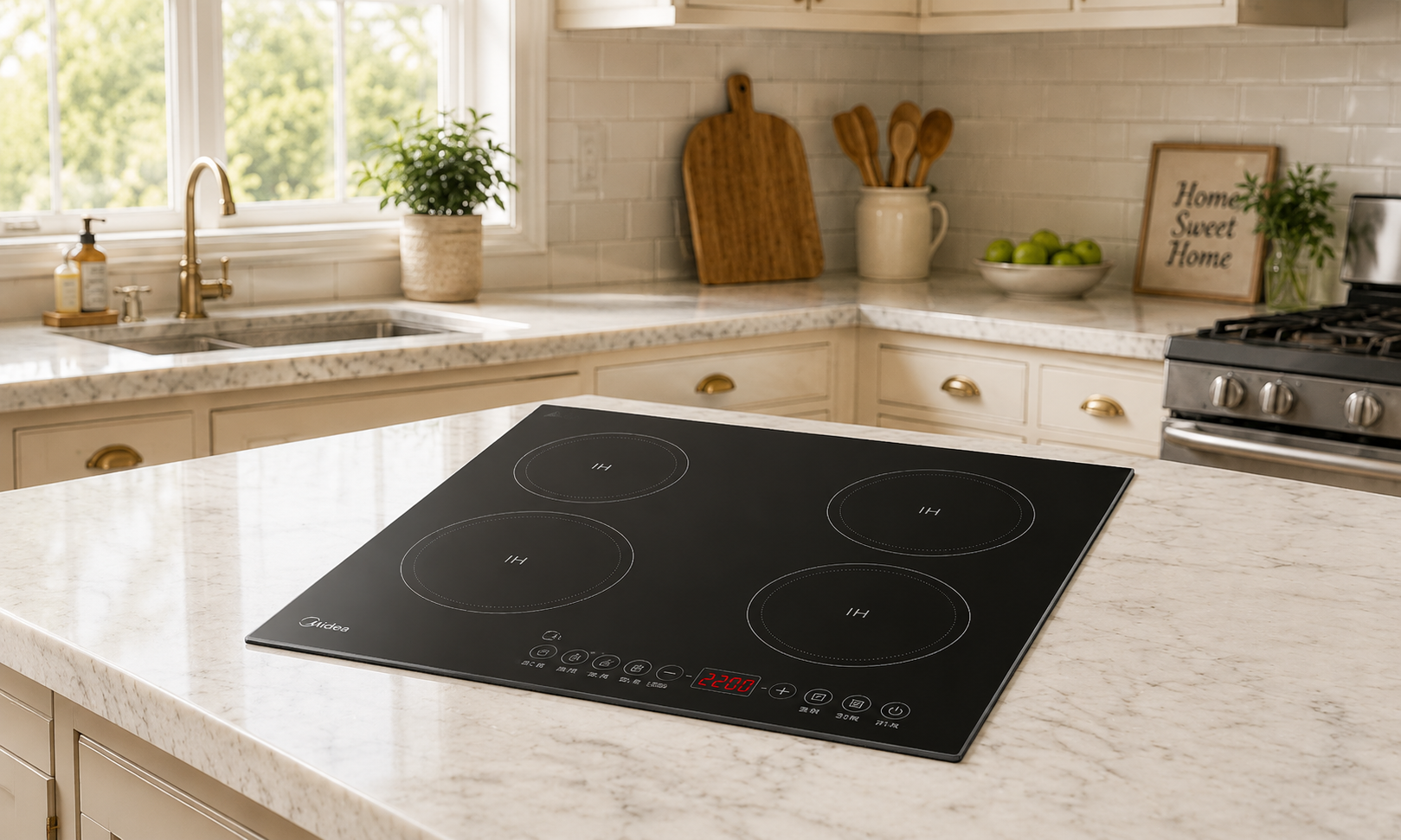
If you’re looking for a reliable ceramic hob that combines safety, performance, and modern design, the Gadgets ceramic hob lineup offers three excellent options: a compact 2-zone model, a versatile 3-zone hob, and a high-performance 4-zone built-in cooktop.
Built for Safety First: Why Gadgets Ceramic Hobs Stand Out
Across all three models, safety is a core design priority. Each hob includes:
- Residual heat indicators to prevent accidental burns
- Child safety lock for family protection
- Overheat protection to prevent overheating risks
- Overflow detection to avoid spill-related hazards
- Automatic shut-off for unattended cooking safety
- Pan detection system for smarter energy control
Unlike gas stoves, these ceramic hobs eliminate open flames and provide a flat, stable cooking surface, significantly reducing fire risks in the kitchen.
1. Gadgets 30cm 2-Zone Ceramic Hob (3000W) Compact & Safe Everyday Cooking
This compact model is perfect for apartments, RVs, and small kitchens, offering strong performance in a space-saving design.

Key Safety Features
- Residual heat indicator
- Child lock protection
- Overheat and overflow protection
- Automatic shut-off system
Key Highlights
- Dual-zone heating (1200W + 1800W) for flexible cooking
- 9 power levels with touch slider control for precise heat adjustment
- 99-minute timer for worry-free cooking
- Universal cookware compatibility (iron, stainless steel, copper, ceramic, glass, etc.)
- Zero radiation heating system for safer daily use
- Durable black crystal glass surface that is easy to clean

2. Gadgets 60cm 4-Zone Ceramic Hob (6000W) Maximum Flexibility & Family Cooking
Designed for larger households, this 4-zone ceramic hob allows you to cook multiple dishes at once while maintaining full safety control.

Key Safety Features
- Child safety lock
- Residual heat warning system
- Automatic pan detection
- Overheat and overflow protection
- Auto shut-off for added safety
Key Highlights
- 4 independent heating zones (up to 6000W total power)
- Cook multiple dishes simultaneously with stable heat distribution
- Individual timers for each zone (up to 99 minutes)
- 9 adjustable power levels for precise cooking control
- Built-in design for a seamless kitchen look
- Easy-clean black glass surface

3. Gadgets 60cm 3-Zone Ceramic Hob (5600W) Balanced Power & Smart Cooking
This 3-zone version is the perfect middle ground, offering strong performance with slightly more compact energy use.

Key Safety Features
- Child lock system
- Residual heat indicator
- Automatic shut-off
- Overheat and overflow protection
- Pan detection safety system
Key Highlights
- 3 powerful cooking zones (up to 5600W total output)
- Large right burner (2700W) for fast boiling and searing
- Flexible zone sizes for different cookware types
- Independent timers for precision cooking
- Sleek built-in glass design
- Easy-to-clean ceramic surface

Gadgets Ceramic Hob Comparison (2-Zone vs 3-Zone vs 4-Zone)
| Feature | 2-Zone Ceramic Hob (30cm, 3000W) | 3-Zone Ceramic Hob (60cm, 5600W) | 4-Zone Ceramic Hob (60cm, 6000W) |
|---|---|---|---|
| Cooking Zones | 2 zones | 3 zones | 4 zones |
| Total Power | 3000W | 5600W | 6000W |
| Power Levels | 9 levels | 9 levels | 9 levels |
| Timer | 99-minute timer | Individual zone timers (99 min each) | Individual zone timers (99 min each) |
| Safety Features | Child lock, residual heat indicator, overheat protection, auto shut-off, overflow protection | Child lock, residual heat indicator, pan detection, overheat protection, overflow protection, auto shut-off | Child lock, residual heat indicator, pan detection, overheat protection, overflow protection, auto shut-off |
| Cookware Compatibility | Universal (stainless steel, cast iron, copper, ceramic, glass, aluminum) | Universal cookware compatibility | Universal cookware compatibility |
| Design Type | Compact countertop (29×52cm) | Built-in (60cm class) | Built-in (60cm class) |
| Weight | 4.0 kg | 7.8 kg | 7.8 kg |
| Cleaning | Easy-clean black crystal glass | Easy-clean black crystal glass | Easy-clean black crystal glass |
Conclusion
Ceramic hobs are safe for everyday cooking when they are properly maintained and undamaged. Their smooth surface, lack of open flame, and built-in safety features make them a popular choice for modern kitchens.
However, safety depends heavily on condition and usage. Cracks or chips significantly increase risk and should never be ignored.
If used correctly and kept in good condition, a ceramic hob can be a safe, efficient, and stylish cooking solution for most households.

Lämna en kommentar
Alla kommentarer modereras innan de publiceras.
Denna webbplats är skyddad av hCaptcha och hCaptchas integritetspolicy . Användarvillkor gäller.