



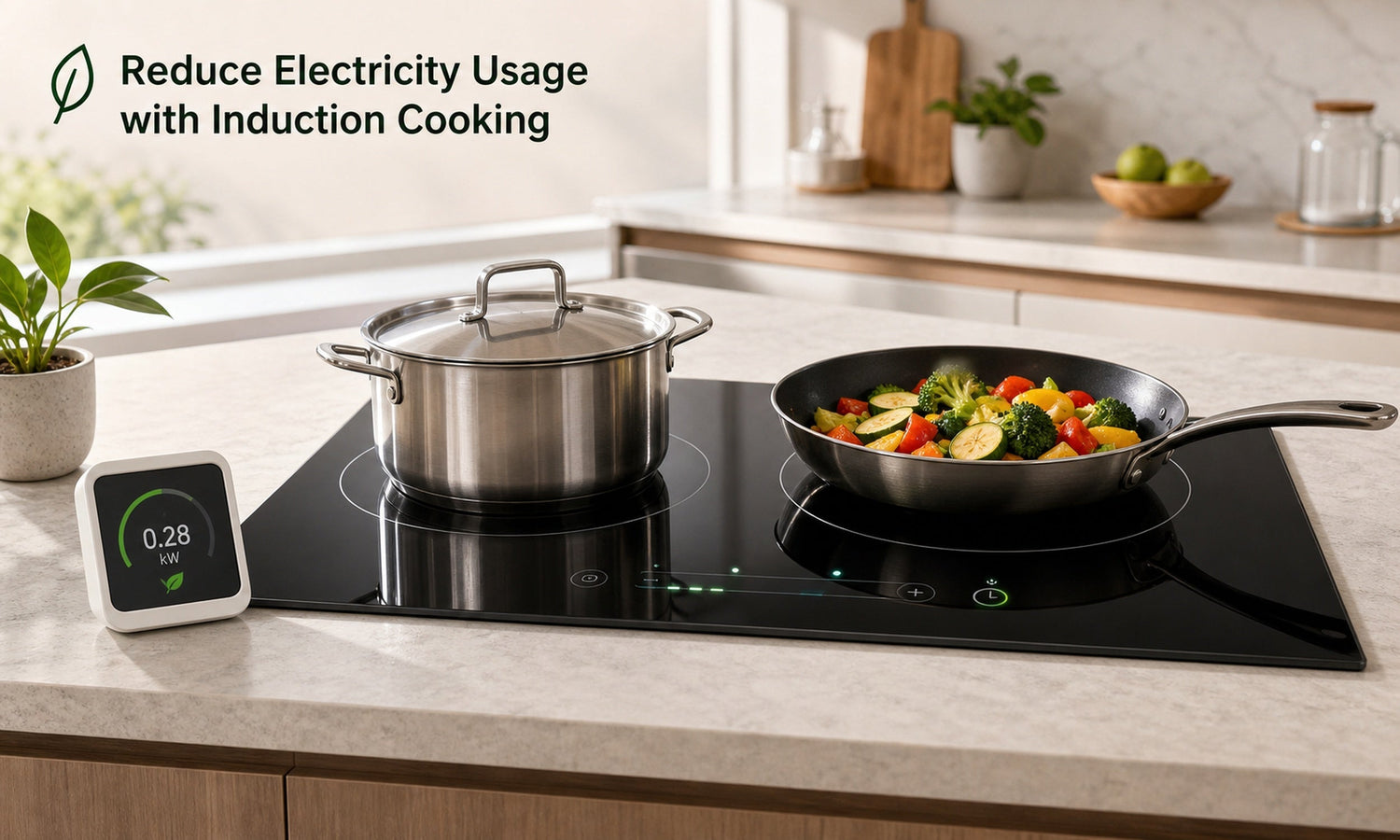
The promise of modern kitchen upgrades is clear: speed, precision, and lower energy bills. Yet, many homeowners notice their electricity bills remaining surprisingly high even after upgrading to an induction stove. While induction technology is inherently far more efficient than traditional gas or standard electric coil ranges, energy savings are not fully automatic. Maximizing efficiency requires aligning cookware, habits, and power settings with how induction technology actually functions.
Below is a breakdown of how household appliances consume power, how induction compares to gas, and how to eliminate energy waste in your daily cooking.
What Wastes the Most Electricity in a House?
To put kitchen energy consumption into perspective, it helps to look at household energy loads. Heating, cooling, and water heating make up the vast majority of residential power draw in North America.
HVAC Systems (Central AC & Heating): Account for roughly 40% to 50% of a home’s total monthly energy usage.
Water Heaters: Consume approximately 14% to 18% of household electricity.
Major Appliances (Dryers, Refrigerators, Cooking Ranges): Combine for around 15% to 20% of power consumption.
Cooking Ranges: While major cooking appliances draw high wattage (often 1,200W to 3,000W per active element), their shorter runtimes mean they account for a smaller percentage of overall monthly kWh compared to continuously running systems like AC units. However, inefficient cooking habits during peak utility hours (4 PM – 9 PM) directly drive up monthly electricity costs.
Why U.S. Homeowners Care About Induction Efficiency
For U.S. homeowners, induction efficiency matters because cooking can account for a noticeable portion of household electricity use, especially in homes that cook frequently. Induction cooktops heat cookware directly, which means less energy is wasted compared with traditional electric or gas cooking.
The main reasons U.S. consumers care about induction efficiency include:
- Lower electricity use: More of the energy goes directly into the cookware, reducing wasted heat.
- Potentially lower energy bills: Using less electricity per cooking session can help reduce long-term household energy costs.
- Faster cooking: Induction can heat cookware quickly, which may reduce the amount of time the cooktop needs to operate.
- Better kitchen comfort: Less heat is released around the cooktop compared with traditional cooking methods, which can be especially useful during hot weather.
- Growing interest in electrification: As more U.S. households consider replacing gas appliances with electric alternatives, understanding induction's energy consumption becomes increasingly important.
For most homeowners, the goal isn't simply to use the lowest wattage possible. The key is to use the right amount of power for the cookware, food, and cooking task so that energy isn't wasted.
Which is Healthier: a Gas Stove, a Ceramic Hob, or an Induction Stove?
For most households, induction cooking is generally considered the healthiest option, particularly because it does not produce combustion gases indoors. However, the glass-ceramic surface itself becomes very hot, and transfers heat more slowly than induction, which can make cooking less efficient.
Overall, induction is usually the strongest choice for a combination of indoor air quality, cooking efficiency, and lower heat release. If you use gas, good kitchen ventilation—ideally with a range hood that vents outdoors—is especially important.
Why Your Induction Cooktop May Not Be as Energy Efficient as You Expected
Your induction cooktop may not be as energy efficient as you expected because its real-world electricity use depends on more than the cooktop’s rated efficiency. Using cookware that is too small or too large for the induction zone can reduce heat transfer, while warped or poorly compatible pans may also waste energy.
Cooking at unnecessarily high power, leaving the cooktop running longer than needed, frequently lifting the pan, or using oversized cookware can increase electricity consumption.
In addition, factors such as the amount of food being cooked, cooking time, cookware material, and the cooktop’s power management system all affect actual energy use. In other words, an efficient induction cooktop can still consume more electricity than expected if the cookware and cooking habits are not well matched to the appliance.
Several common habits can reduce its efficiency:
-
Cooking without a lid: Heat escapes when pots and pans are uncovered, increasing cooking time and energy use.
-
Frequent temperature adjustments: Constantly changing power levels can make it harder to maintain efficient, consistent cooking.
- Using oversized cookware on a small zone: The center of the pan may heat effectively while the outer areas remain cooler, resulting in longer cooking times.

Do Induction Cooktops Use a Lot of Electricity?
No, induction cooktops generally do not use a lot of electricity compared with other electric cooking methods. Although an induction cooktop can have a relatively high power rating—often around 1,200 to 3,700 watts per cooking zone—it heats cookware directly, making it highly efficient. The U.S. Department of Energy notes that induction cooking can be up to three times more efficient than gas cooking and about 10% more efficient than conventional smooth-top electric cooking.
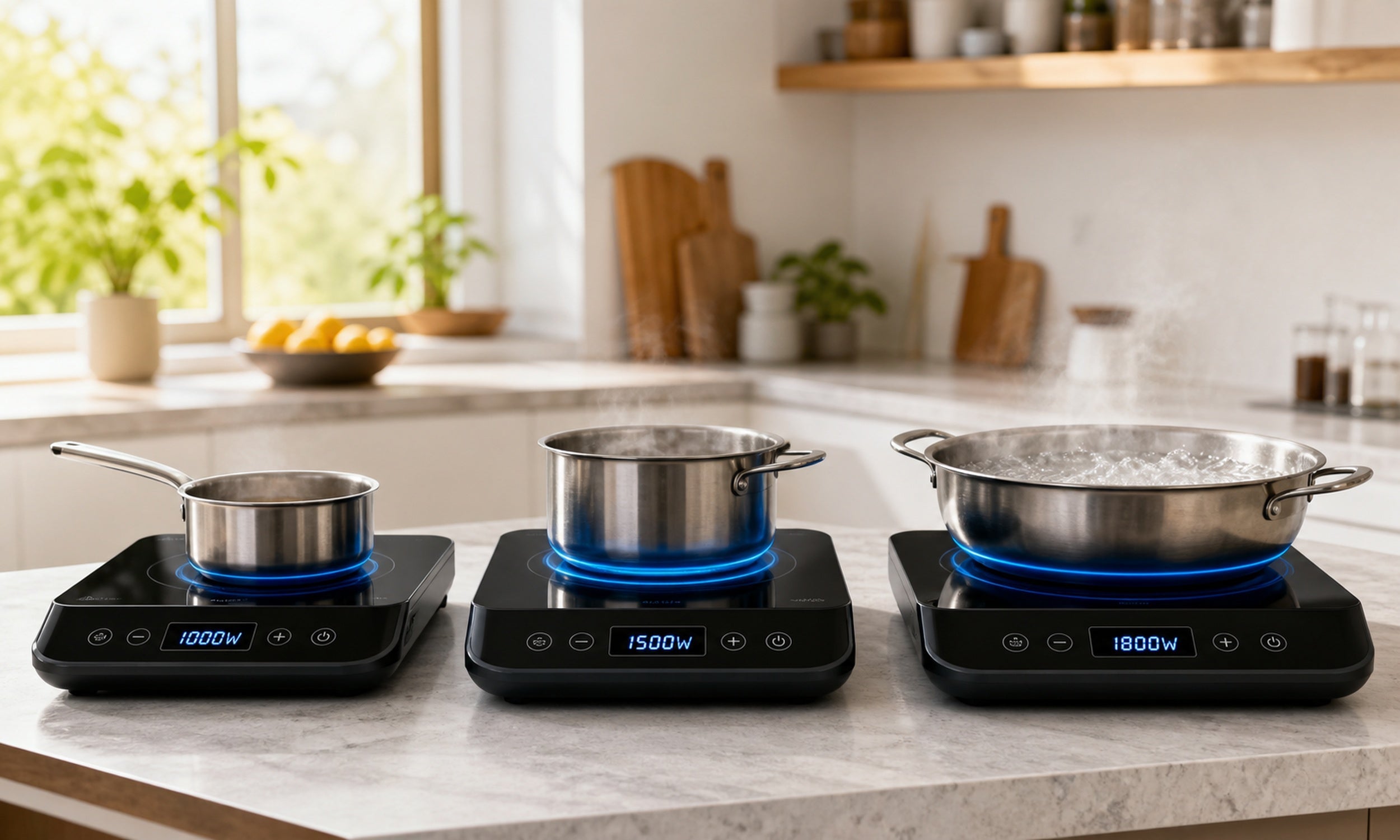
What matters most is how long you cook and how much power you use, rather than the cooktop's maximum wattage. For example, a 1,800-watt induction burner running continuously for 30 minutes would use about 0.9 kWh of electricity. In everyday cooking, the actual consumption can be lower because the cooktop cycles power as needed to maintain the selected temperature.
For U.S. homeowners, induction can therefore be a relatively energy-efficient choice, especially when you use the correct cookware size, avoid unnecessarily high power settings, and turn the cooktop off as soon as cooking is finished.

What Actually Makes Induction Cooking Efficient?
Induction cooking is efficient because it uses a magnetic field to heat the cookware directly instead of first heating a burner, grate, or surrounding air. This direct transfer of energy means less heat is lost to the kitchen, allowing more of the electricity you pay for to go toward heating your food.
The cookware itself is one of the biggest factors. A simple way to check whether a pan is induction compatible is to place a magnet against its bottom. If the magnet sticks firmly, the cookware is likely suitable for induction. If it barely sticks or does not stick at all, the pan may not heat properly. For the best results, look for cookware labeled “induction compatible” and choose pans with a flat, sturdy base that closely matches the size of the induction cooking zone. Good contact allows the magnetic field to transfer energy more effectively and helps distribute heat evenly.
Your power settings also affect electricity use. Running an induction burner at maximum power for the entire cooking process does not necessarily mean faster or more efficient cooking. Induction can heat very quickly, so high settings are useful for tasks such as boiling water or searing meat, but once the desired temperature is reached, lowering the power can prevent unnecessary energy use. For example, you can use a higher setting to bring water to a boil and then reduce the heat to maintain a steady simmer.
Practical Ways to Reduce Energy Waste with an Induction Cooktop
Reducing induction cooktop energy waste does not require major changes or expensive upgrades. Small adjustments to your cookware, cooking habits, and cooktop settings can help you use electricity more efficiently while maintaining good cooking performance.
- Use the Right Pan Size: Match the cookware to the cooking zone for efficient heating.
- Keep the Cooktop Clean: A clean surface helps maintain effective heat transfer.
- Use a Lid: Trap heat and cook efficiently at lower power.
- Match Pan and Burner: Choose the cooking zone that best fits the pan.
- Use Residual Heat: Turn off the cooktop slightly early and let the pan finish cooking.
- Limit Boost Mode: Use high power only when you need rapid heating.
- Use Less Water: Heating only the necessary amount of water saves time and energy.
- Keep the Pan Centered: Proper positioning helps ensure even, efficient heating.
Maximizing Efficiency in Practice: The Gadgets Donut Portable Induction Cooktop
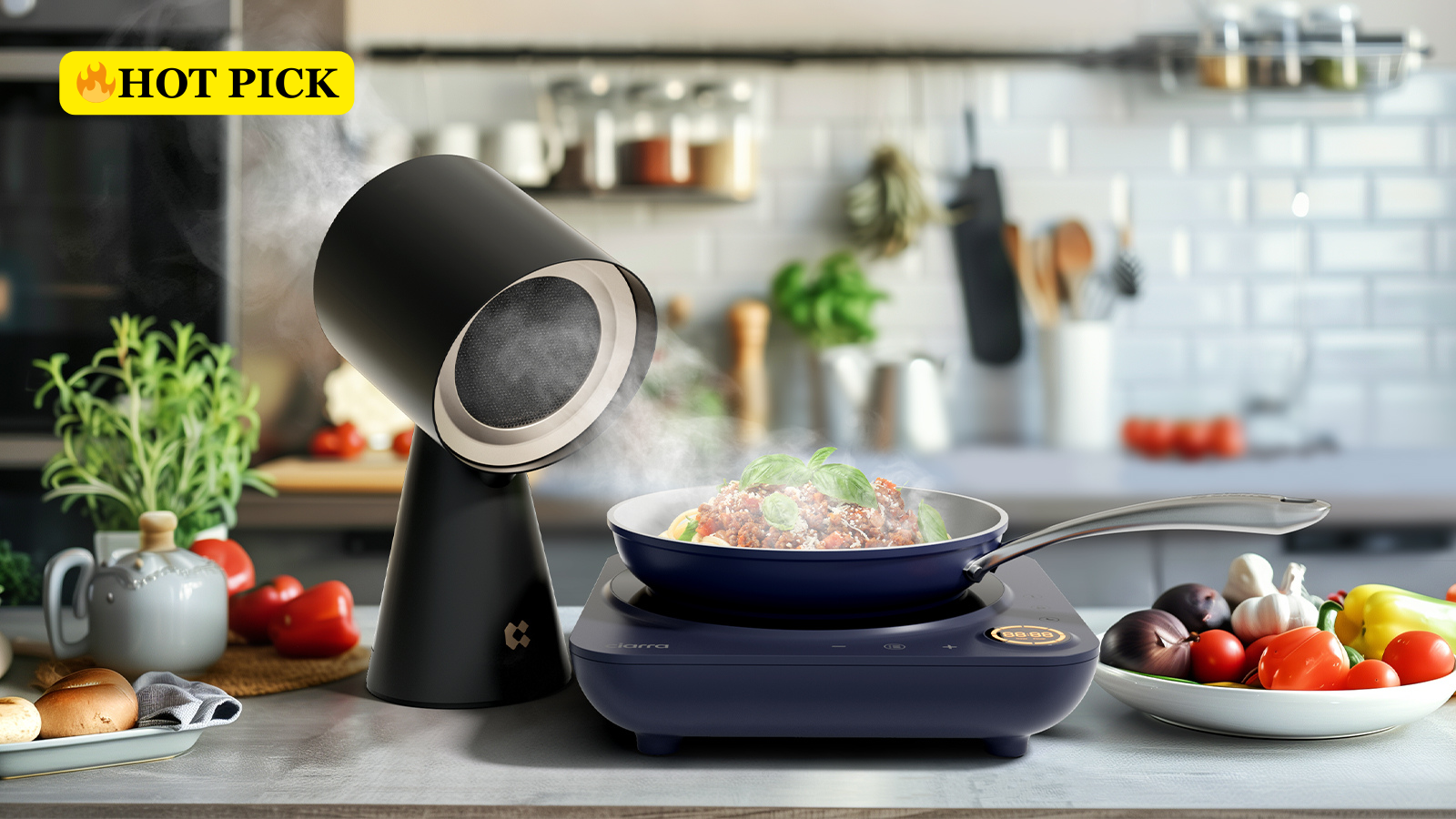
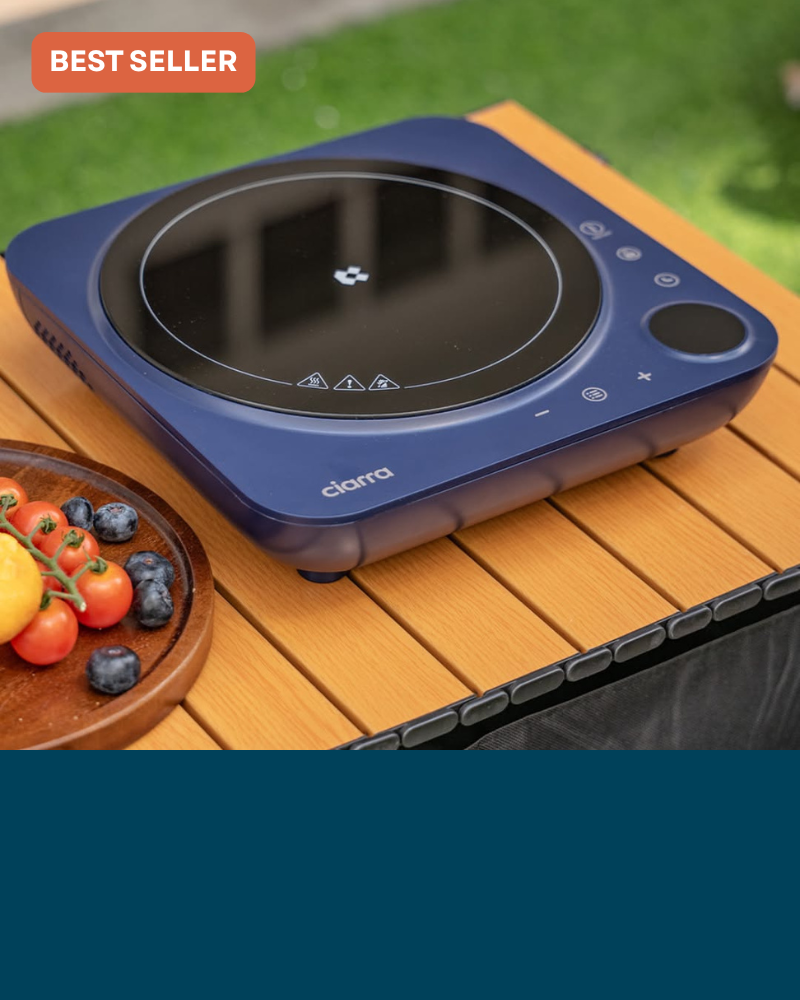
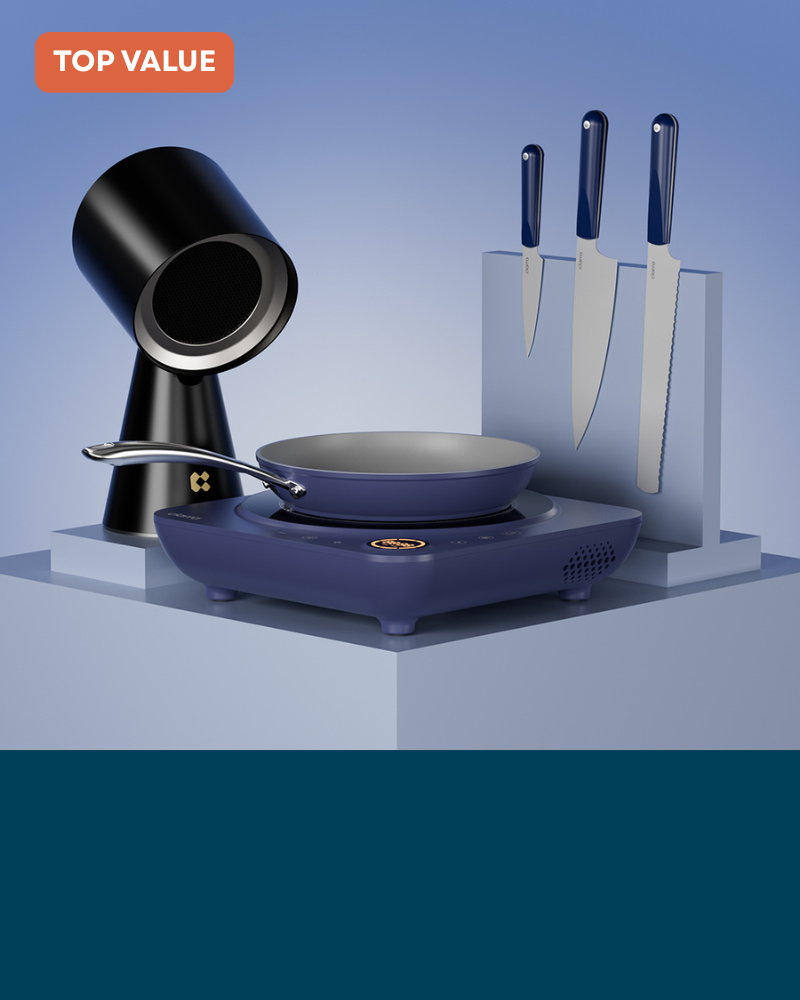
Understanding the mechanics of induction efficiency is one thing; putting it into practice requires the right appliance. The Gadgets Donut Portable Induction Cooktop is specifically engineered to eliminate the common habits that waste electricity, turning the theoretical energy savings of induction into direct power bill reductions.

1. Precision Energy Delivery & Zero Heat Waste
- 50% Faster Cooking: By cutting cooking times in half compared to conventional gas or smooth-top electric stoves, the total operational runtime—and thus your kWh consumption—is significantly reduced.
- 3D Dimensional Panel: Ensures optimal heat retention and distribution, preventing hot spots and keeping thermal energy locked into the pan base.
2. Active Power Management to Avoid Energy Overuse
- 8 Power Levels (Up to 1500W US / 2000W EU & UK): Gives you granular control over thermal output. Instead of running at maximum wattage, you can rapidly bring food to temperature and immediately dial down to a precise lower level (across a 140°F to 460°F range) to maintain a simmer.
- 4-Hour Integrated Timer: Forgetful cooking is a major source of wasted power. The 240-minute timer allows you to set precise cook times (in 1-minute or 10-minute increments) so the unit automatically shuts off the moment cooking is complete.
3. Built-In Smart Safety & Auto-Cutoff
- Auto-Pan Detection: Running an empty burner wastes energy and creates a hazard. The Gadgets Donut automatically detects whether a compatible magnetic pan (cast iron, steel, or enameled iron) is present and shuts off after 60 seconds of inactivity or improper pan placement.
Technical Specifications
| Power & Temp Settings | 8 Power Levels | 140°F to 460°F |
| Timer & Safety | 240-min timer, Safety Lock, 60s Auto-Pan Detection shutoff |
| Cookware Compatibility | 4.7 in to 9.4 in (120–240 mm) magnetic base diameter |
| Surface & Controls | Premium wear-resistant glass-ceramic surface, Touch Control |
| Certifications | ETL / FCC certified |
Conclusion
Upgrading to induction cooking offers a proven pathway to reducing household energy waste, but realizing those savings depends on how you use the technology. By pairing smart cooking habits—such as using lids, matching cookware to the burner, and dialing down power levels—with purpose-built appliances like the Gadgets Donut Portable Induction Cooktop, you turn theoretical efficiency into practical energy bill reductions. Investing in fast, precise, and responsive induction technology lets you enjoy consistent performance while maintaining total control over your kitchen's power consumption.
You might be interested in:
- Does an Induction Stove Use a Lot of Electricity?
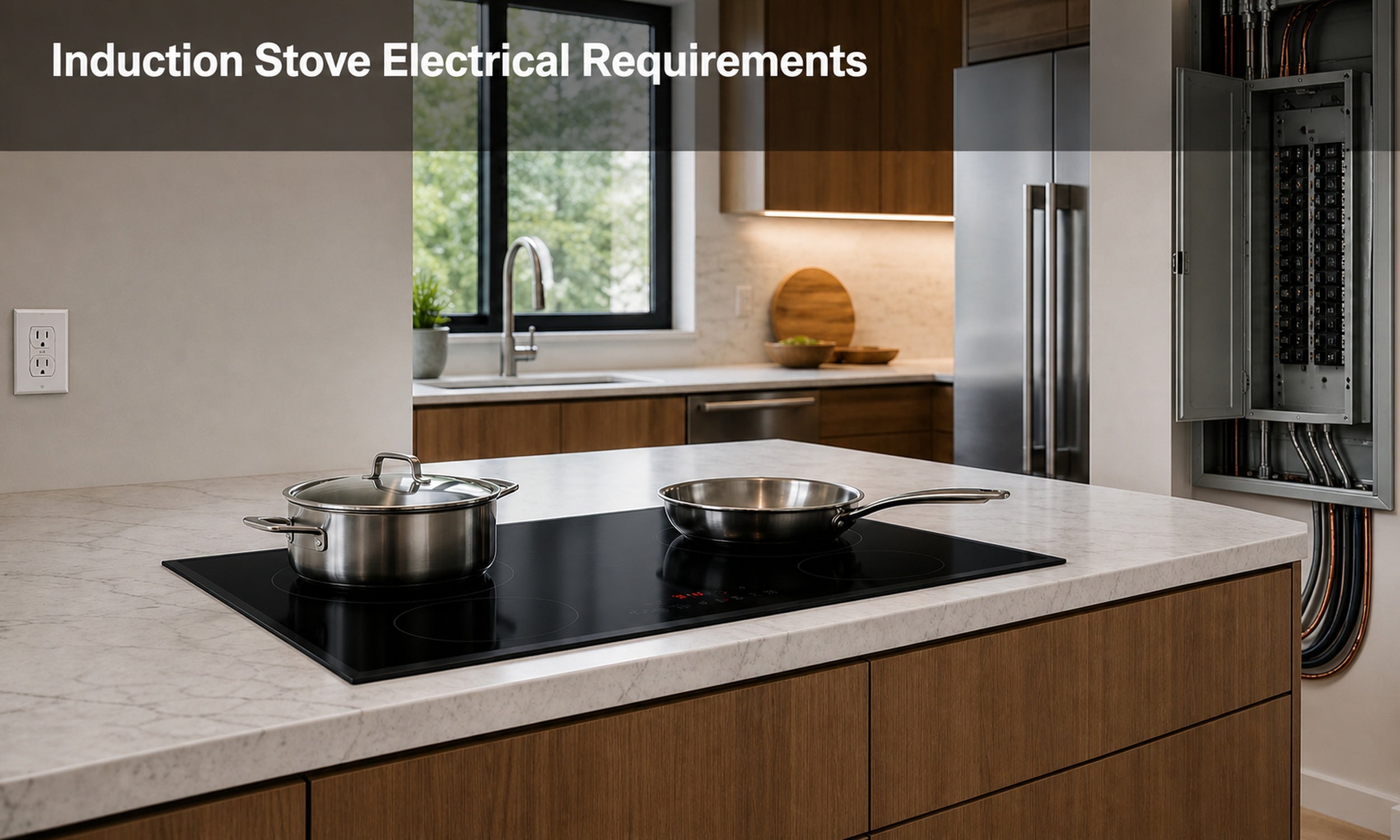
- Do You Need Special Electrical Wiring for an Induction Stove?
-
Best Cookware for Induction Cooktops: Choose the Right Pan for Better Energy Efficiency
- Low Wattage Induction Cooktops: A Smart Choice for Energy-Saving Kitchens

Laat een reactie achter
Alle reacties worden gemodereerd voordat ze worden gepubliceerd.
Deze site wordt beschermd door hCaptcha en het privacybeleid en de servicevoorwaarden van hCaptcha zijn van toepassing.