



An induction cooktop is a next-generation electric cooking surface that uses electromagnetic technology to heat your cookware directly—rather than heating a burner or relying on an open flame. The result is a faster, more efficient, and safer way to cook compared to traditional gas or electric stoves.
For many U.S. consumers, induction cooking offers the best of both worlds: the sleek, easy-to-clean surface of a glass-top electric cooktop combined with the precision and responsiveness typically associated with gas. It’s a modern upgrade designed for today’s kitchens, where performance, safety, and energy efficiency all matter.
While gas and standard electric cooktops have long been the norm in American homes, induction is quickly gaining attention as a powerful alternative. Already popular in Europe for years, this technology is becoming more common in the United States as homeowners look for smarter, cleaner, and more energy-efficient cooking solutions.
If you’re exploring a kitchen upgrade or simply wondering how induction compares to gas or electric, understanding how this technology works—and what makes it different—can help you decide whether it’s the right fit for your home.
What is an Induction Cooktop?
An induction cooktop works by creating a magnetic field between the cooktop surface and compatible cookware (usually made of cast iron or magnetic stainless steel). When the cookware is placed on the surface, the magnetic energy generates heat inside the pot or pan itself, not on the cooktop.
This means:
- The cooktop stays relatively cool
- Heat is generated instantly
- Cooking is more precise and efficient
Type of Induction Cooktop
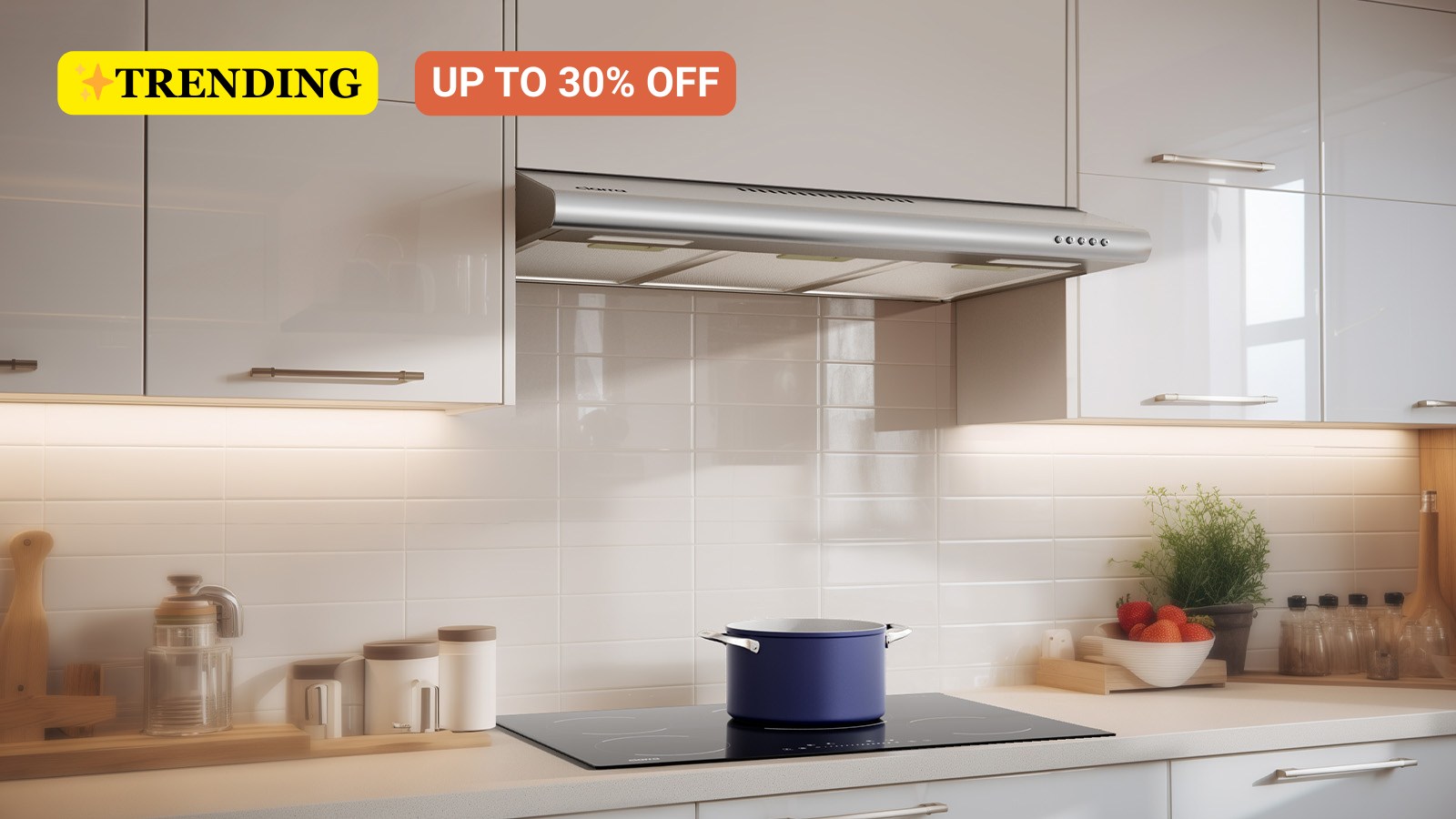
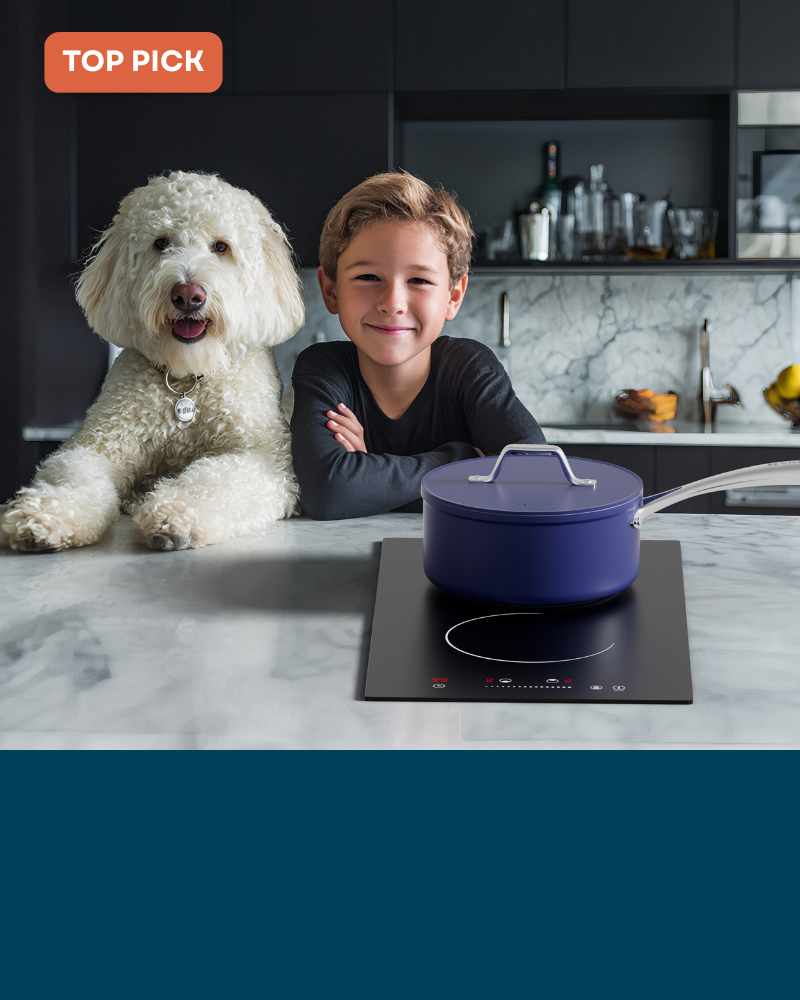
There are several types of induction cooktops to choose from based on your kitchen setup and cooking needs. Built-in induction cooktops are the most common, installed directly into your countertop for a seamless, modern look. Freestanding induction ranges combine an induction cooktop with an oven, making them a full replacement for traditional stoves.
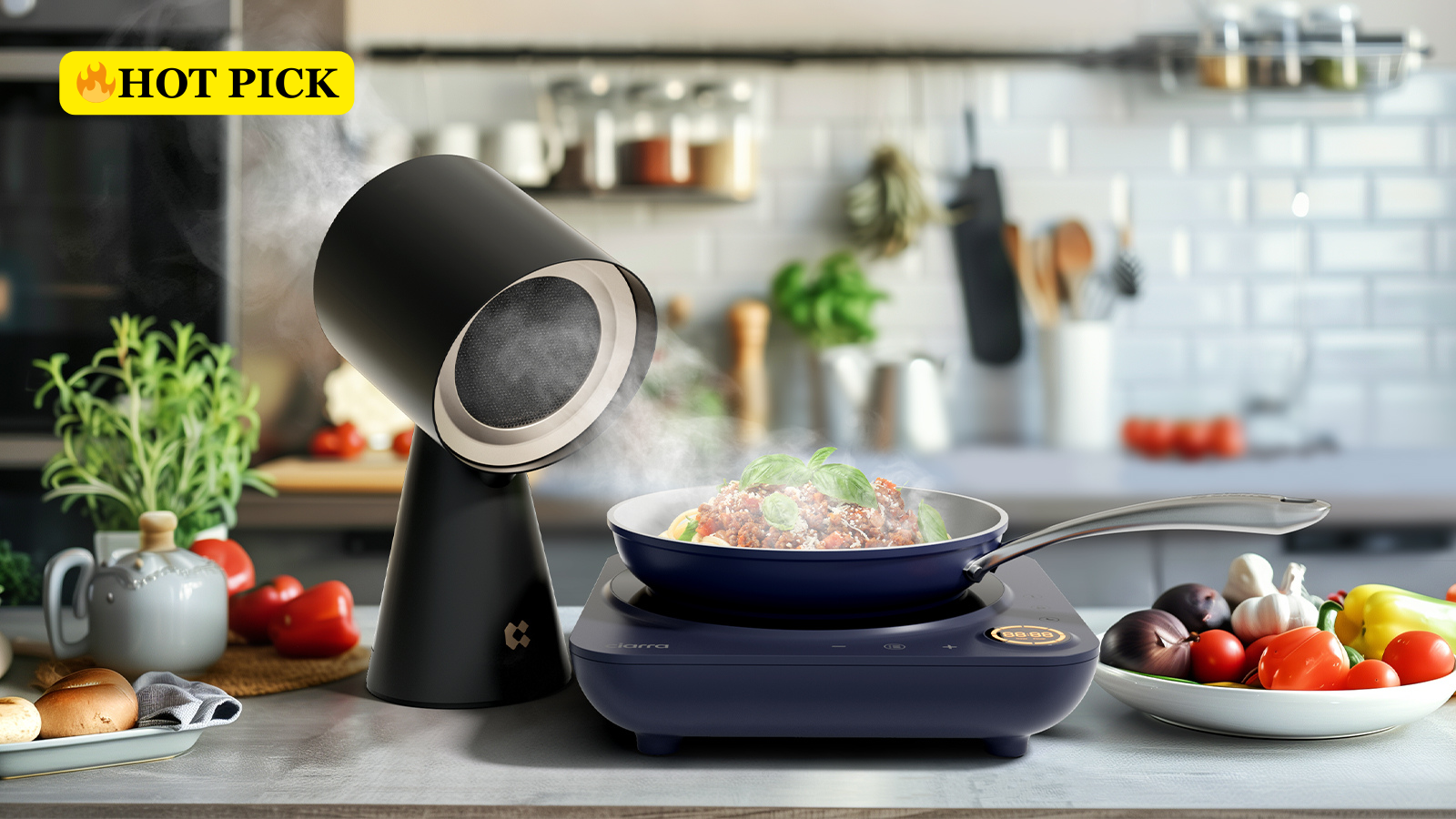
Portable induction cooktops are compact, plug-in units that are perfect for small spaces, dorms, or extra cooking capacity.
Some models also feature flex or bridge zones, allowing you to combine burners for larger cookware like griddles. Each type offers the same core benefits of induction cooking but varies in size, flexibility, and installation style.
 |
 |
 |
How Does an Induction Cooktop Work?
Induction cooktops use electricity in a completely different way than traditional electric stoves. Instead of heating a burner, they generate a magnetic field beneath the glass surface. When you place compatible cookware on top, that magnetic energy transfers directly into the pot or pan, producing heat from within.
Because the heat is created inside the cookware itself, the cooktop surface stays relatively cool—making it safer and more energy-efficient than gas or standard electric options.
It’s important to note that induction only works with magnetic cookware, such as stainless steel, cast iron, or carbon steel.

Related: How Does an Induction Stove Work
How Do I Know If I Have An Induction Cooktop?
One of the easiest ways to tell if your cooktop is induction is by how it heats. Induction cooktops heat the cookware directly, not the surface. So if the surface itself gets very hot or starts to glow, you’re likely using a traditional electric or radiant cooktop—not induction.
Another simple check: induction cooktops only work when compatible cookware is placed on them. If the burner doesn’t heat up without a pot or pan, that’s a strong sign it’s induction.
Induction Cooktop vs. Electric Cooktop
Induction cooktops and electric cooktops may look similar with their smooth glass surfaces, but they work very differently.
Heating method:
Electric cooktops use radiant heat—an element heats up first, then transfers heat to your pan. Induction cooktops skip this step and heat the cookware directly using magnetic energy, making them much faster.
Speed and efficiency:
Induction heats up and cools down quickly, while electric cooktops take longer to reach temperature and stay hot longer after being turned off.
Cooking experience:
Induction requires a bit more preparation since it heats instantly. Electric cooktops are more gradual, which some people find easier to manage.
Noise and operation:
Induction cooktops can produce subtle sounds like a hum or fan noise during use, which is normal. Electric cooktops are typically silent.
Induction vs. Gas vs. Electric
| Feature | Induction | Gas | Electric Coil |
|---|---|---|---|
| Speed | Very fast | Fast | Slow |
| Efficiency | High | Medium | Low |
| Safety | High | Lower | Medium |
| Control | Precise | Good | Limited |
| Cleaning | Easy | Harder | Moderate |
Related: What is Difference Between Induction and Electric Cooktop
5 Benefits of Induction Cooking
1. Precise Temperature Control
Induction responds instantly when you adjust the heat, giving you better control for everything from simmering to high-heat searing.
2. Faster Cooking Times
Because it heats cookware directly, induction can cook food much quicker—boiling water and heating pans in significantly less time than gas or electric.
3. Higher Energy Efficiency
Less heat is wasted since the energy goes straight into the pan, making induction one of the most efficient cooking options available.
4. Safer Cooking Surface
The cooktop stays relatively cool, and many models shut off automatically when no pan is detected, reducing burn and fire risks.
5. Easy Cleaning & Smart Features
Spills don’t burn onto the surface, so cleanup is simple. Many models also include features like quick boil settings, preset cooking modes, and larger heating zones for added convenience.
What is the Downside of an Induction Cooktop?
While induction cooktops offer many advantages, there are a few drawbacks to consider.
First, not all cookware is compatible, so you may need to replace pots and pans with magnetic materials like stainless steel or cast iron.
Second, there can be a learning curve, as induction heats up and cools down very quickly, which may feel different from gas or electric cooking.
Lastly, some users notice slight noises, such as humming or fan sounds, especially at higher power levels—this is normal but can take getting used to.
What Cannot be Cooked on Induction?
You can cook almost anything on an induction cooktop—the limitation isn’t the food, but the cookware. Induction won’t work with pots and pans made from non-magnetic materials like aluminum, copper, glass, or ceramic unless they have a magnetic base. If the cookware isn’t compatible, it simply won’t heat up.

How Can We Make Induction Cooking More Widely Accessible?
Making induction cooking more widely accessible in the U.S. requires both policy support and consumer awareness. One key step is improving transparency around cooking technologies so people can make informed decisions. For example, advocacy groups like the Natural Resources Defense Council (NRDC) have supported legislation such as the Healthy Homes Right to Know Act in New York, which would require warning labels on gas stoves to inform consumers about potential health impacts. This type of policy aims to ensure buyers understand the long-term implications of their kitchen appliances, especially since cooking equipment is a major household investment.
At the same time, increasing access to induction cooking also depends on education and affordability. Many consumers are still unfamiliar with induction technology or assume it requires expensive upgrades. Expanding rebates, energy-efficiency incentives, and appliance replacement programs can help lower the upfront cost barrier. Clear labeling, public awareness campaigns, and comparisons between gas, electric, and induction cooking can also help shift consumer understanding toward cleaner and safer alternatives.
Overall, the goal is not to restrict choice, but to ensure people have the information and financial support needed to choose healthier and more efficient cooking technologies.
Reference:
NRDC advocacy on gas stove warning labels and the Healthy Homes Right to Know Act:
https://www.nrdc.org/
(see related policy coverage on gas stove health disclosures and indoor air quality initiatives)
Are There Any Financial Incentive Programs for Consumers?
Yes, there are financial incentive programs available in the U.S. that can help consumers reduce the cost of switching to induction cooking, although eligibility varies by state.
Induction cooktops are generally more expensive upfront than traditional gas or electric stoves, and some households may also need electrical upgrades (such as higher-capacity circuits or new outlets). To offset these costs, federal and state programs—especially those linked to the Inflation Reduction Act (IRA)—offer rebates for energy-efficient home appliances. Two key programs include the Home Electrification and Appliance Rebate and the Home Efficiency Rebate, both of which may cover induction cooking equipment depending on state implementation.
In addition, some states provide extra “stackable” rebates or tax credits, which can further reduce the final cost. However, coverage differs widely, so consumers are encouraged to check their local energy department for specific eligibility rules and funding availability.
For those not ready to replace a full stove, smaller portable induction cooktops are also an affordable entry point, often costing under $100, making the technology more accessible to a wider range of households.
Reference:
U.S. Department of Energy – Home Energy Rebates (Inflation Reduction Act programs):
https://www.energy.gov/save/home-energy-rebates
Energy Star Induction Cooking Information:
https://www.energystar.gov/products/induction_cooking_cooktops
CIARRA Gadgets Portable Induction Cooktops Overview
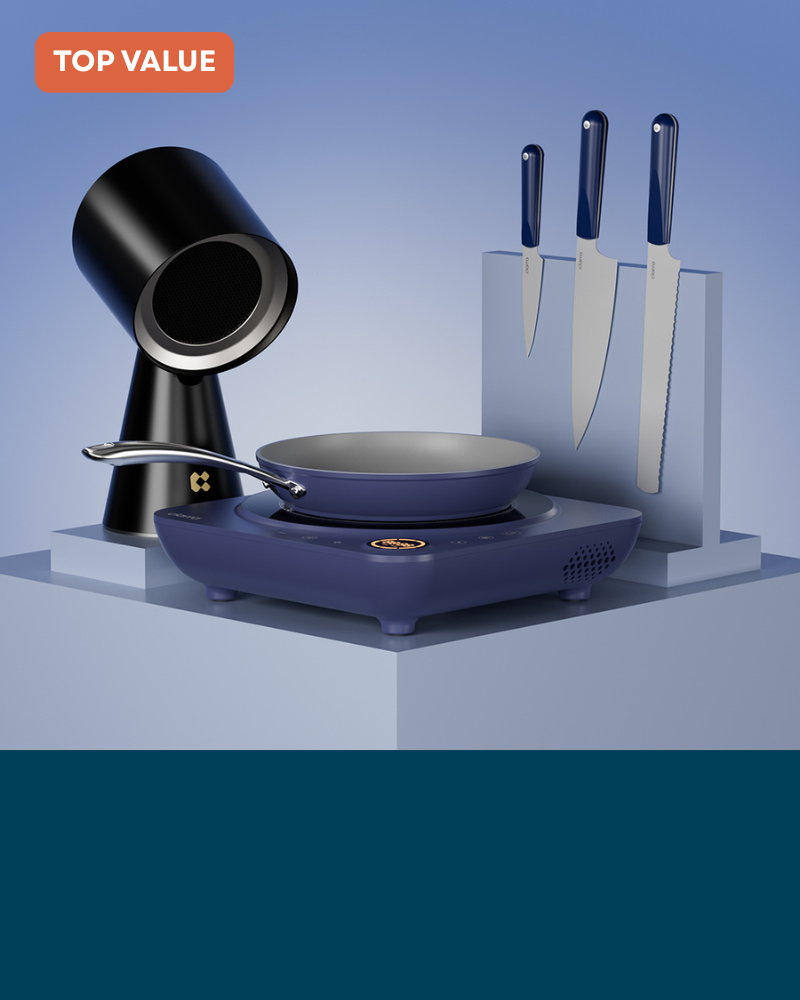
CIARRA offers modern portable induction cooktops designed for fast, efficient, and flexible cooking in any space. Built for everyday convenience, these compact induction hobs combine powerful heating performance with smart controls, safety features, and a space-saving design—making them ideal for small kitchens, apartments, travel, RVs, or extra cooking capacity at home.
1. CIARRA Gadgets CDV 2000W Portable Induction Hob
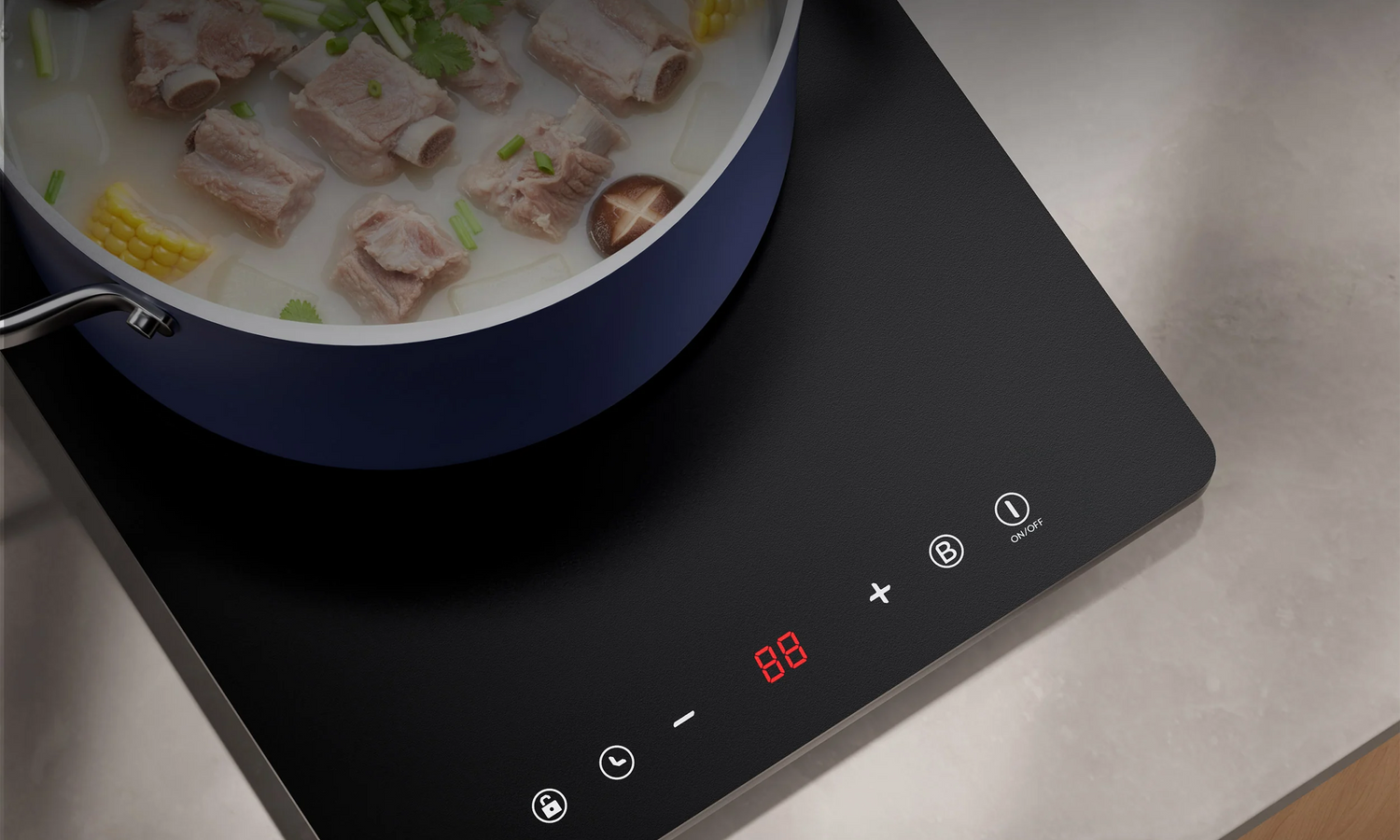
The CIARRA Gadgets CDV is a high-performance single-burner induction cooktop designed for speed and precision. With 2000W power and a BOOST function, it delivers rapid heating for quick boiling and efficient cooking. Its compact, lightweight design makes it highly portable, while multiple safety protections and intuitive touch controls ensure a safe and user-friendly cooking experience.

Key Features:
- Powerful 2000W Heating with Boost Mode – Instant high heat for faster boiling and reduced cooking time
- Compact & Portable Design – Lightweight and space-saving, ideal for small kitchens, dorms, RVs, or travel use
- 9 Power Levels – Precise heat control for boiling, frying, simmering, and slow cooking
- 99-Minute Timer – Automatic shut-off helps prevent overcooking and improves convenience
- Advanced Safety System – Includes child lock, overheating protection, and residual heat warning
- Easy-to-Clean Glass Surface – Durable ceramic glass top for quick wipe-down maintenance
- Wide Cookware Compatibility – Works with magnetic cookware like cast iron and stainless steel
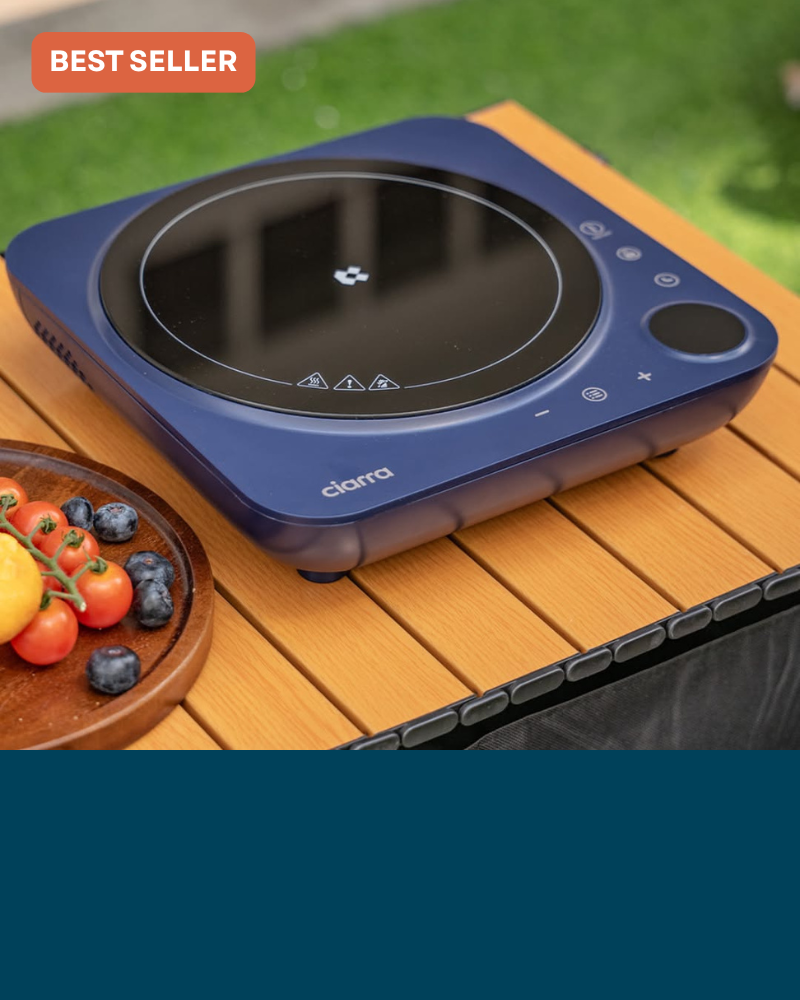
2. Gadgets Donut Portable Induction Cooktop
The Gadgets Donut induction cooktop is a stylish and versatile single-burner solution designed for both home and outdoor cooking. It offers strong performance with flexible power settings, extended timer control, and optimized energy efficiency. Its durable build, quiet operation, and safety-focused design make it a practical choice for everyday and travel use.

Key Features:
- Portable & Stylish Design – Easy to carry, store, and use for home, backyard, or travel cooking
- Up to 2000W Power (Regional Support) – Adjustable performance depending on voltage standards
- 8 Power Levels & Wide Temperature Range (140°F–460°F) – Suitable for everything from simmering to high-heat searing
- Long 4-Hour Timer – Flexible cooking control for slow recipes and unattended cooking
- Energy Efficient Cooking – Heats only the pan area, reducing energy waste and cooking faster than gas
- Smart Safety Features – Child lock, auto shut-off, residual heat indicator, and cookware detection system
- Durable Glass Surface – Scratch-resistant and easy to clean with a simple wipe
- Improved Stability & Design Safety – Anti-slip base, impact-resistant edges, and optimized cooling system for safer use
Related:
- Best Induction Hob: Tested, Refined, and Ready for Your Cooking
- Induction Cooktop Reviews: Top Portable and Efficient Models for 2025


Commenta
Nota che i commenti devono essere approvati prima di essere pubblicati.
Questo sito è protetto da hCaptcha e applica le Norme sulla privacy e i Termini di servizio di hCaptcha.