



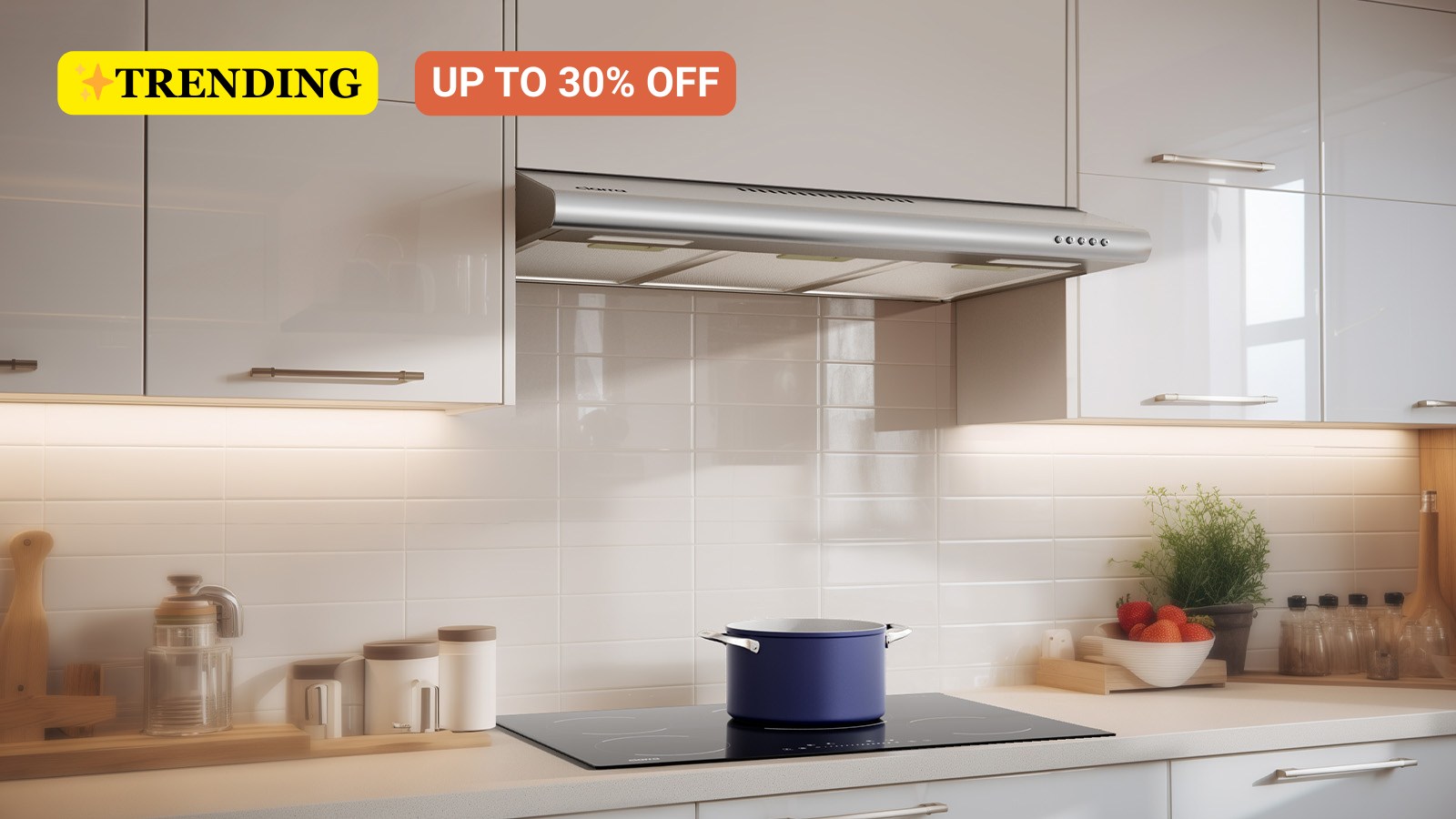
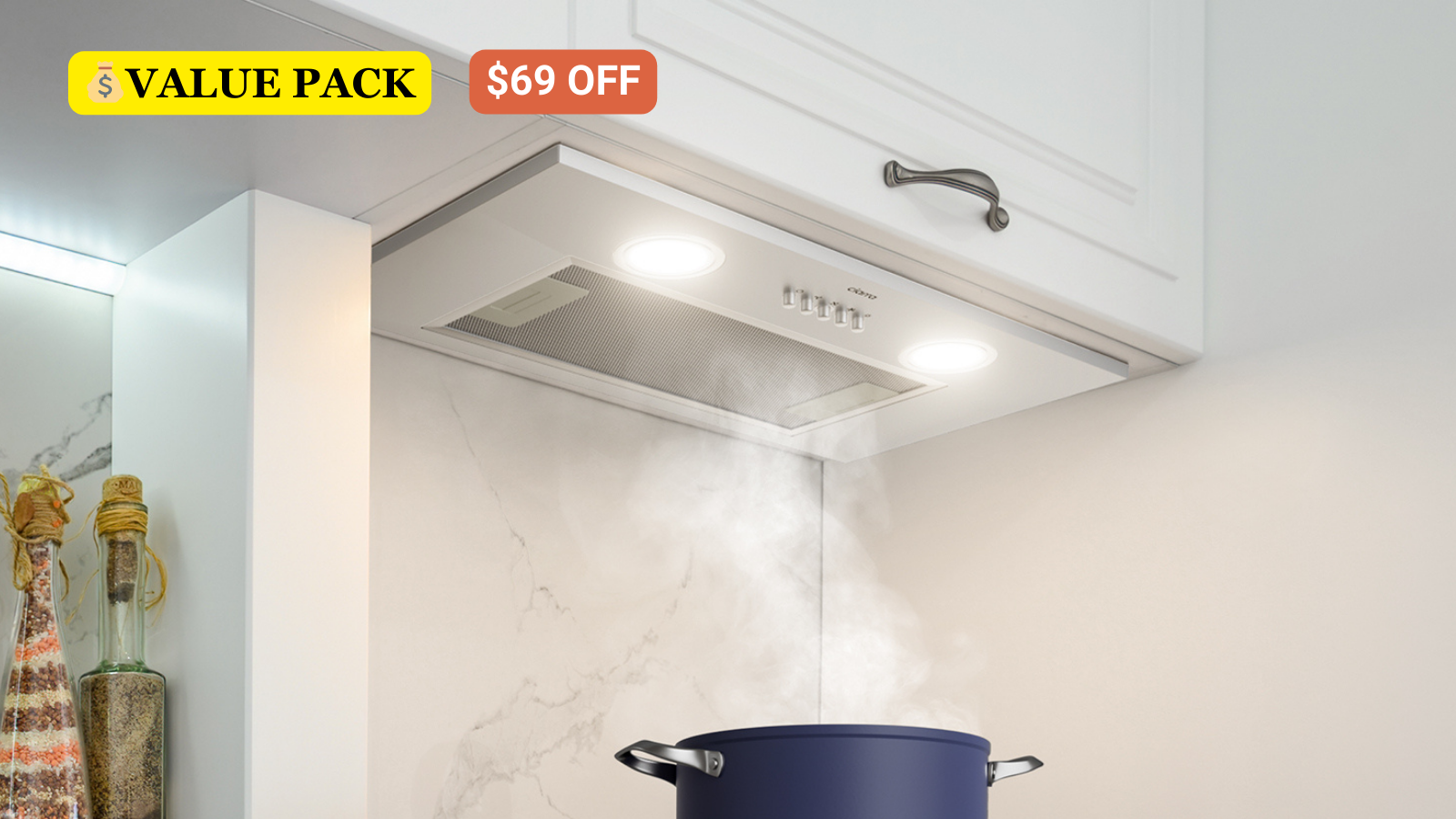





When cooking your favorite meals, you aren't just producing delicious aromas—you are also releasing grease particulates, heavy smoke, excessive moisture, and volatile organic compounds (VOCs) into your kitchen's air.
For many American homeowners, designing and installing ductwork can feel intimidating. Whether you are remodeling your kitchen, upgrading from a microwave-hood combo, or tackling a DIY weekend project, this comprehensive guide covers everything you need to know about building codes, costs, and step-by-step vent installation.

Is It Difficult to Install a Range Hood?
It depends on the type of installation.
If you’re replacing an existing range hood or installing a ductless model, it’s usually a moderate DIY project that most homeowners can handle with basic tools and some electrical knowledge.
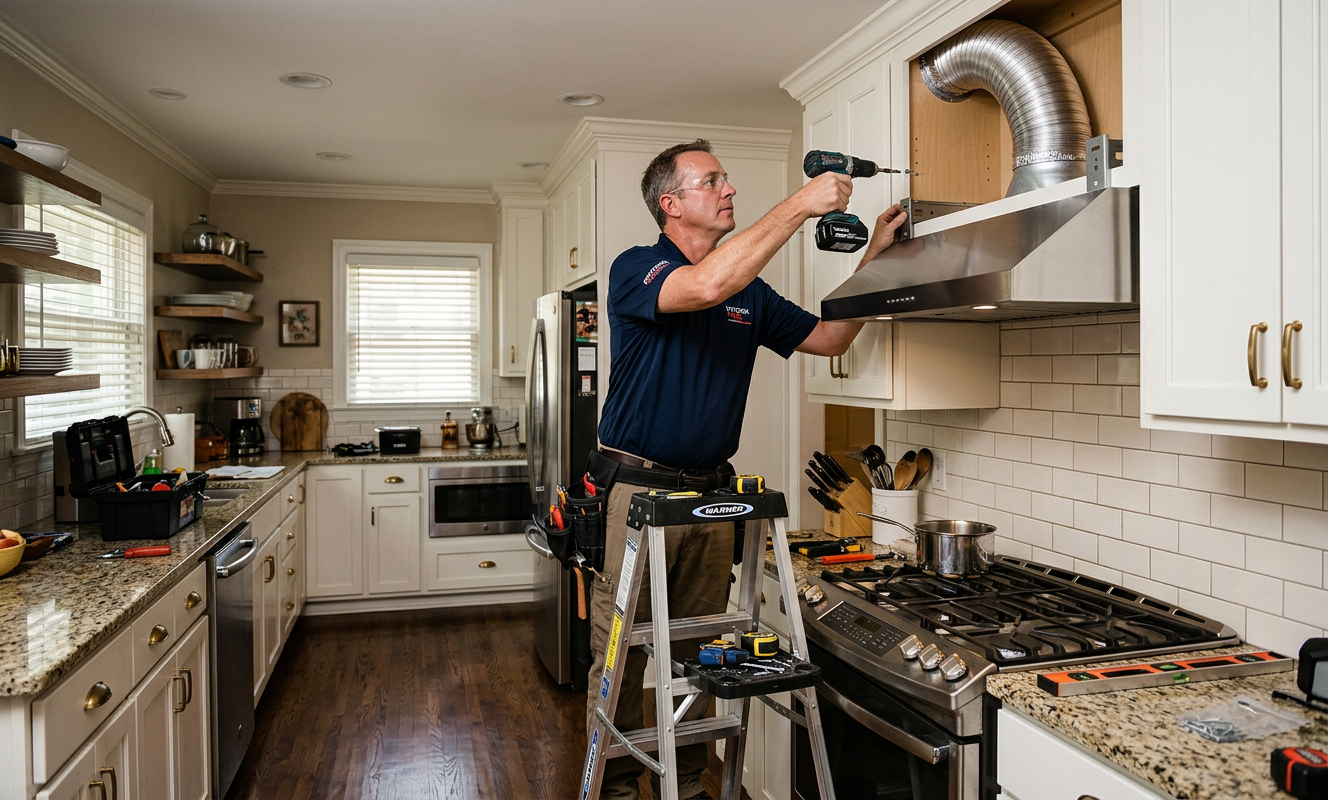
However, a ducted range hood installation is more difficult because it may require cutting into walls or cabinets, installing ductwork to the exterior, and ensuring proper airflow and code compliance. In those cases, professional installation is often recommended.
Can I Install a Range Hood Myself?
Yes, you can install a range hood yourself, but it depends on the type of installation and your experience level.
If you are replacing an existing unit or installing a ductless range hood, it is generally a manageable DIY project. Most homeowners can complete it using basic tools like a drill, screwdriver, measuring tape, and a level, along with proper mounting hardware and electrical connections.
However, if you are installing a ducted range hood that requires new ventilation to the outside, the process becomes more complex. It may involve cutting through walls or cabinets, installing ductwork, and ensuring proper airflow and compliance with local building codes. In these cases, professional installation is often recommended to ensure safety, performance, and code compliance.
What You’ll Need for Range Hood Installation
Before starting a range hood installation, it’s important to gather all the necessary tools and materials to ensure a smooth and safe process.
ToolsFor most range hood installations, you will need a standard set of DIY and electrical tools, including:
|
MaterialsIn addition to tools, the following installation materials are commonly required:
|
How to Install a Range Hood
1.Prep & Location Mapping: Measuring & Marking
Determine the exact center point of your cooktop. Measure the height requirements of your range hood (typically 24 to 30 inches above a gas stove, or 20 to 24 inches for electric). Mark the precise exit center for your ductwork on the inside drywall. Use a high-quality stud finder to ensure your proposed exit route sits cleanly between structural wall studs.

2. Cutting the Vent Hole: The Point of No Return
Drill a long pilot hole straight through your marked interior wall completely out through the exterior siding. Head outside, center your exterior vent cap over the pilot hole, and trace its round silhouette. Use a jigsaw or reciprocating saw to carefully cut through your home’s exterior siding, sheathing, and insulation.

3. Installing the Exterior Vent Cap: Weatherproofing
Slide the sleeve of the exterior vent cap into the new opening. Before screwing it tightly to the siding, apply a thick, generous bead of waterproof outdoor silicone caulk around the interior flange of the cap. Fasten it firmly with exterior-grade screws. Ensure the spring-loaded damper flaps open freely and snap closed tightly against outside air infiltration.

4. Running the Rigid Ductwork: Connecting the System
Measure the distance from your range hood's mounting collar to the exterior wall cap. Cut your smooth, rigid metal pipe to size using tin snips. Insert the male end of the pipe directly into the wall cap sleeve. Slide all seams tightly together and seal every single joint securely with heavy-duty HVAC foil tape to prevent grease and vapor leaks.

5. Mounting and Wiring the Range Hood: Final Assembly & Test
Following your manufacturer’s exact mounting instructions, anchor the range hood chassis securely to your kitchen wall studs or upper cabinetry base. Connect your electrical wiring safely (via an approved 3-prong grounded plug or dedicated hardwired junction box). Clamp the range hood adapter to your new rigid duct line, seal it with foil tape, restore power at the breaker panel, and test your new system across all fan speed settings.
For a more detailed, visual, step-by-step demonstration, it is recommended to follow an installation video guide, which can help you better understand each stage of the process and ensure a safer and more accurate installation.
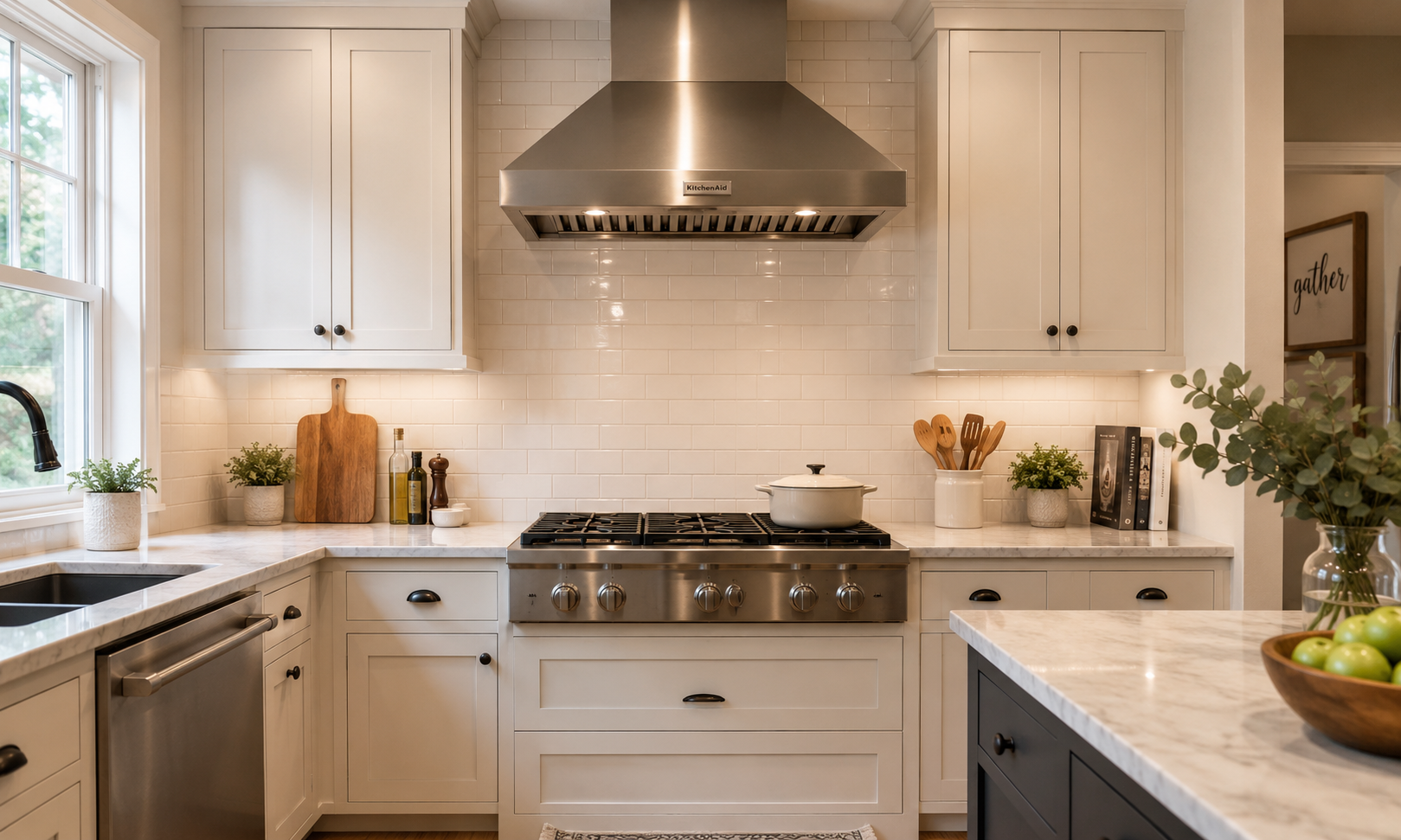
For Wall Mount Range Hood Installation
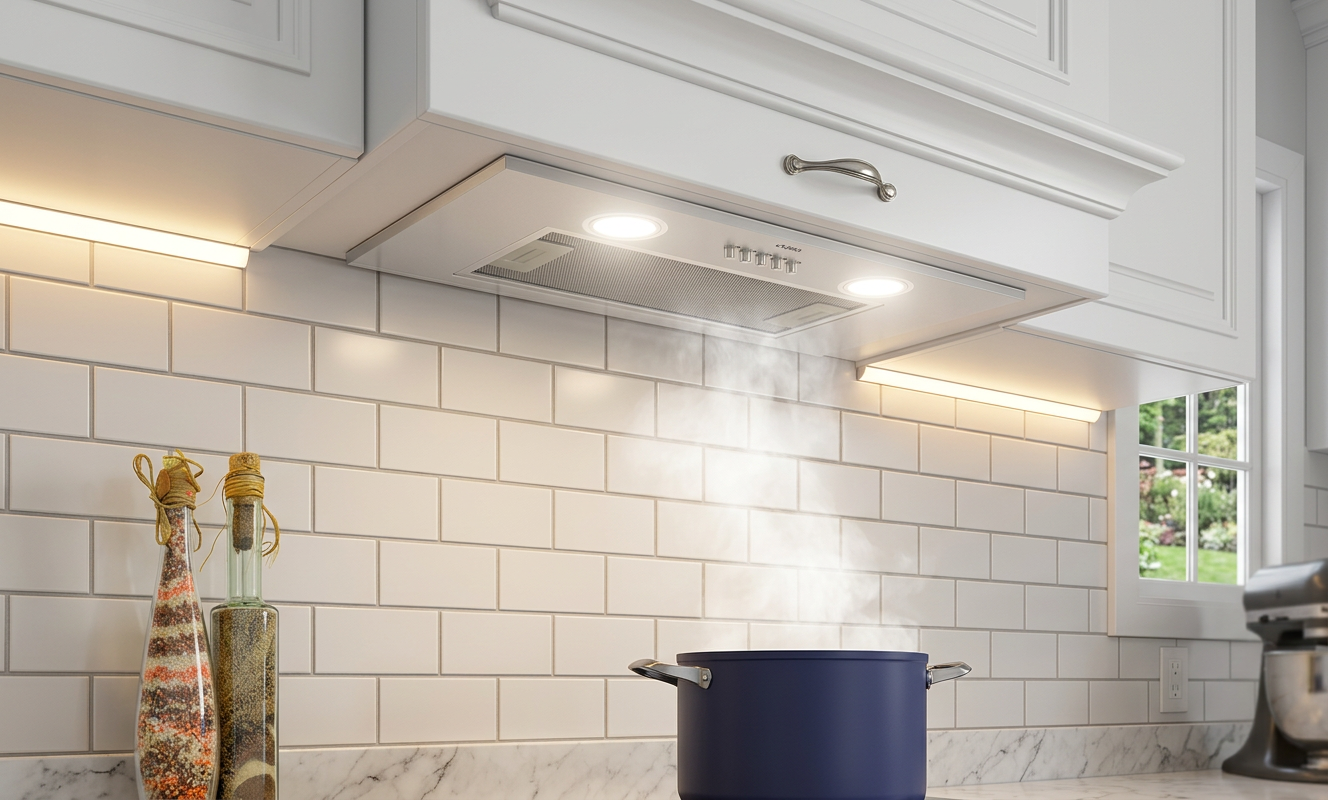
For Under-Cabinet Range Hood Installation
Do Range Hoods Have to Be Vented Outside?
When planning your kitchen ventilation, you will choose between two primary setups: Ducted (Vented) and Ductless (Recirculating) systems.
The short answer is no, not all range hoods have to be vented outside, but it is highly recommended by HVAC professionals.
| Feature | Ducted (Vented) Systems | Ductless (Recirculating) Systems |
| How It Works | Pulls air out of the kitchen and expels it completely outside via a dedicated pipe. | Pulls air through a grease filter and a charcoal filter, then recirculates it back into the kitchen. |
| Air Quality | Excellent. Removes heat, moisture, smoke, odors, and carbon monoxide (from gas stoves). | Moderate. Traps airborne grease and some odors, but fails to remove heat, humidity, or gas byproducts. |
| Maintenance | Low. Requires occasional washing of the aluminum mesh/baffle filters. | High. Charcoal filters cannot be washed and must be replaced every 3–6 months. |
| Installation Cost | Higher upfront due to cutting through walls/roofs and running rigid pipe. | Budget-friendly. Can be mounted anywhere without modifying the house structure. |
When You Absolute Must Vent Outside. While ductless hoods work for light, low-frequency cooking in apartments, you must vent outside if you cook with a high-BTU gas range. Gas burners generate combustion byproducts like nitrogen dioxide ($NO_2$) and carbon monoxide ($CO$). If your pro-style range outputs more than 60,000 BTUs, a recirculating hood simply cannot keep your indoor air safe.
What is the Code for Venting a Range Hood?
In the United States, home ventilation is regulated by local building authorities, most of which adopt rules from the International Residential Code (IRC) (specifically Section M1503). Violating these codes can hurt your home’s resale value, void appliance warranties, or create severe fire hazards.
Before drilling any holes, memorize these core code requirements:
Forbidden Termination Points
According to code, all exhaust ducts must terminate outside the building. You are strictly prohibited from venting a range hood into an attic, crawl space, soffit, or garage. Blowing hot, moisture-laden cooking air into an enclosed space like an attic will inevitably cause toxic mold growth and rot your roof trusses.
Rigid Metal Ducts Only
To satisfy fire codes, range hood exhaust ducts must be constructed of rigid galvanized steel, stainless steel, or copper.
The Rule: The interior duct wall must be smooth to allow grease to slide through easily.
The Hazard: Flex-duct (aluminum foil or plastic vinyl accordion piping) is strictly banned for range hoods. Grease quickly traps in the ridges of flexible piping, creating a massive fire hazard that can act as a fuse if a stovetop fire occurs.
The 400 CFM Makeup Air Rule (IRC M1503.6)
If your range hood features a motor rated at 400 CFM (Cubic Feet per Minute) or higher, local codes may require a Makeup Air System. Because powerful hoods exhaust massive volumes of air, they can create negative pressure in tightly sealed modern homes. This can cause "backdrafting"—pulling deadly carbon monoxide from your gas water heater or furnace back down the chimney into your living space. A makeup air damper automatically opens when the hood turns on to bring safe, fresh air into the home.
How Much Should It Cost to Install a Range Hood?
The total financial investment required to install a range hood varies significantly based on the complexity of your kitchen's layout. If you are doing a straightforward, direct replacement where the electrical wiring and ductwork are already perfectly intact, the project is relatively inexpensive and can be completed quickly by a standard handyman or electrician. However, if you are converting a non-vented kitchen or shifting from an over-the-range microwave setup, the price will scale up. A brand-new installation requires structural alterations, including cutting clean exit paths through your home's exterior thermal envelope (walls or roof shingles), running smooth rigid ducting, and installing specialized weatherproof terminations.
| Project Type | Average Cost Range | What Is Included / Key Details |
| Replacement Only (Same Footprint) | $150 – $400 | Labor only. Swapping an old unit for a new one using your kitchen's existing, functional ductwork and electrical lines. |
| New Installation (Brand-New Ductwork) | $500 – $1,500+ | Full structural installation. Includes cutting holes through exterior siding or roofing, routing rigid metal pipes, and mounting/sealing the exterior vent cap. |
| Microwave-to-Hood Conversion | Add $200 – $400 | Covers minor cabinetry modifications, removing the heavy Over-The-Range (OTR) microwave unit, and updating dedicated electrical wiring. |
Key Cost Drivers
Duct Length and Complexity: Routing a straight, horizontal pipe through an exterior wall directly behind the cooktop is the most budget-friendly option. Conversely, running a complex vertical duct path up through a two-story ceiling, navigating attic joists, and breaching the roof spikes both material and labor costs.
Exterior Siding Material: Cutting a round exhaust hole through standard vinyl, aluminum, or wood siding requires basic tools and minimal time. If your home features an exterior made of stucco, brick, stone, or concrete, pros must use specialized diamond-core masonry saws, which increases the labor rate.
Labor Rates and Permits: Depending on your local municipal building codes, adding a completely new appliance exhaust line may require a minor residential mechanical or electrical permit, adding $50 to $150 to your total project estimate.
Pro-Tips for Optimizing Your Range Hood Performance
To get the absolute most out of your newly installed ventilation system, keep these operational parameters in mind:
- Match Duct Diameter to CFM: Never bottleneck your system. A hood pushing 300–400 CFM needs at least a 6-inch round duct. Heavy-duty pro hoods delivering 600–900 CFM require 8-inch or 10-inch lines. Reducing the factory-recommended pipe size will choke the motor, spiking both kitchen noise and energy bills.
- Inspect Your Dampers Regularly: Your installation should feature two dampers: one built into the range hood collar and one inside your exterior vent cap. These lightweight metal flaps act as one-way check valves. Check them once a year to ensure airborne grease or outdoor debris hasn't gummed them up, forcing cold winter air directly into your home.
Overall, understanding the installation process, requirements, and costs helps homeowners make informed decisions and ensures the range hood performs efficiently for years to come. In addition, choosing a convertible range hood is also an important consideration. Convertible models offer greater flexibility, allowing users to switch between ducted and ductless modes depending on the kitchen layout or installation conditions. This makes them especially practical for different living environments, rentals, or future kitchen upgrades, while still maintaining strong ventilation performance in a variety of cooking scenarios.
Top 4 Convertible Range Hoods for American Kitchens
Gadgets 20-inch Built-In Range Hood Insert
A hidden, convertible insert vent hood designed to drop directly into custom cabinetry valances or shallow under-cabinet deep pockets.

Key Product Highlights
- Seamless Convertible Mounting: Engineered to disappear into your woodwork. Operates as an external ducted vent hood or converts to an indoor recirculating setup when paired with an optional carbon filter.
- High-Velocity 530 CFM Suction: Packed with immense power for a compact 20-inch frame—ideal for heavy, high-heat American cooking styles like searing, frying, and grilling.
- Cast Aluminum Motor Housing: Upgraded structural housing protects the motor from corrosion and extreme delivery wear, guaranteeing reliable, long-term stability.
- Low Maintenance: Features robust 5-layer aluminum mesh grease filters that trap up to 98% of airborne oil droplets and are entirely dishwasher-safe.
Quick Specs for US Buyers
- Dimensions: 20.47" W × 11.18" D × 9.49" H (Compact Insert Design)
- Suction Power: 530 CFM Max (206W Motor) | Duct Size: 6" Round Vent
- Color/Finish: Professional Deep Black / Stainless Steel (ETL Certified)
- Controls: Instant-Response Mechanical Push Buttons
Gadgets 30 inch Designer Glass Wall-Mount Range Hood
A beautiful, convertible designer hood blending stainless steel and tempered glass, tailored for open-concept kitchens that require adaptable ventilation.

Key Product Highlights
Dual Installation Layouts: Works beautifully as an outdoor extraction system via top venting or translates easily into an indoor air-refreshing ductless unit using CGCF003 carbon filters.
Intelligent Air Utilities: Includes a Smart Delay Shut-Off timer (4 settings from 5–20 mins) and an automated Air Refresh Function that runs on low speed for 5 minutes every hour to keep ambient air crisp.
Touch Screen Interface: A premium, smooth-glass digital touch panel controls the 3-speed motor and 2-level eco-LED lighting with a soft tap.
Whisper-Quiet 450 CFM: Offers a heavy-duty, upgraded stable motor housing that dampens vibration and cuts noise levels while drawing out heavy vapors through 5-layer mesh filters.
Quick Specs for US Buyers
- Dimensions: 29.53" W × 18.5" D × 19.45" to 38.27" H (Adjustable Height)
- Suction Power: 450 CFM (200W Motor) | Duct Size: 6" Round Vent
- Material: Brushed Stainless Steel & Tempered Glass (ETL Certified)
- Warranty: 24 Months
Gadgets 30-inch Under-Cabinet Convertible Range Hood
A 100% convertible under-cabinet hood engineered specifically for space-saving layouts, apartments, and low-profile cabinetry upgrades.

Key Product Highlights
Convertible Flexibility: Easily switches between top-vented ducted extraction and ductless recirculation (uses optional CGCF006 carbon filters). A built-in air outlet adjuster makes transitioning hassle-free.
Ultra-Slim 3.94" Profile: Saves valuable headroom and blends seamlessly under standard American kitchen cabinets without crowding your cooking area.
Simple Mechanical Interface: Reliable, classic push-button controls operate the 3-speed fan and dual 3W LED cooktop lights with zero learning curve.
Advanced Filtration: Features an upgraded 5-layer aluminum mesh grease filter that outperforms cheap standard filters, maintaining a quiet 2 Sones sound rating.
Quick Specs for US Buyers
- Dimensions: 29.76" W × 19.68" D × 3.94" H
- Suction Power: 200 CFM (100W Motor) | Duct Size: 4.72" Round Top Vent
- Electrical: Standard US 120V / 60Hz (ETL Certified)
- Warranty: 24 Months
Gadgets 30-inch Black Wall-Mount Range Hood
A convertible wall-mount chimney hood that merges heavy-duty, high-CFM suction with cutting-edge smart home controls.

Key Product Highlights
Ducted/Ductless Versatility: Supports traditional outdoor ducting through a 6-inch exhaust line or converts to space-saving ductless recirculation using CF03 carbon filters (sold separately).
Hands-Free Wave Gesture Control: Wave your hand across the sensor panel to adjust speeds or toggle lighting. Keeps grease, oil, and sticky fingers off your appliance.
Heavy-Duty 650 CFM Suction: Easily manages high-heat searing, stir-frying, and heavy smoke from high-BTU gas cooktops while remaining exceptionally quiet (3.6 Sones at max speed).
Smart Reminders: Features an A+ energy rating, smart dual touch controls, and a built-in filter cleaning reminder so you always maintain peak performance.
Quick Specs for US Buyers
- Dimensions: 29.76" W × 17.72" D × 25.28" to 40.16" H (Adjustable Chimney)
- Suction Power: 650 CFM (200W Motor) | Duct Size: 6" Round Vent
- Color/Finish: Sleek Matte Black & Stainless Steel (ETL Certified)
- Warranty: 24 Months
Convertible Range Hood Product Comparison
| Product | Type | Airflow (CFM) | Venting Mode | Control | Key Feature | Best For |
|---|---|---|---|---|---|---|
| 30" Under Cabinet Range Hood | Under-cabinet | 200 CFM | Ducted / Ductless | Push-button | Ultra-slim 3.94" design | Apartments, small kitchens |
| 30" Wall Mount Black Range Hood | Wall-mounted | 650 CFM | Ducted / Ductless | Gesture + Touch | Hands-free wave control | Heavy cooking, modern kitchens |
| 30" Glass Wall Mount Range Hood | Wall-mounted | 450 CFM | Ducted / Ductless | Touch control | Smart timer + air refresh | Stylish modern kitchens |
| 20" Built-in Range Hood Insert | Insert | 530 CFM | Ducted / Ductless | Push-button | Space-saving compact design | Small kitchens, condos |
Conclusion: Choosing the Right Hood for Your Home
Investing in a convertible range hood is the smartest choice for American homeowners looking for long-term kitchen flexibility. If your home allows for easy exterior access, deploying these models in Ducted Mode ensures the absolute best air quality and lowest moisture levels. However, if you are remodeling a tight condo, apartment, or rental unit where cutting through walls isn't an option, swapping them to Ductless Mode with a carbon filter gives you dependable ventilation without major renovations.
Before making your final purchase, simply match the unit's CFM rating to your cooking style (higher CFM for heavy frying and gas ranges) and measure your cabinetry footprint to ensure a seamless, code-compliant installation.

Commenta
Nota che i commenti devono essere approvati prima di essere pubblicati.
Questo sito è protetto da hCaptcha e applica le Norme sulla privacy e i Termini di servizio di hCaptcha.