


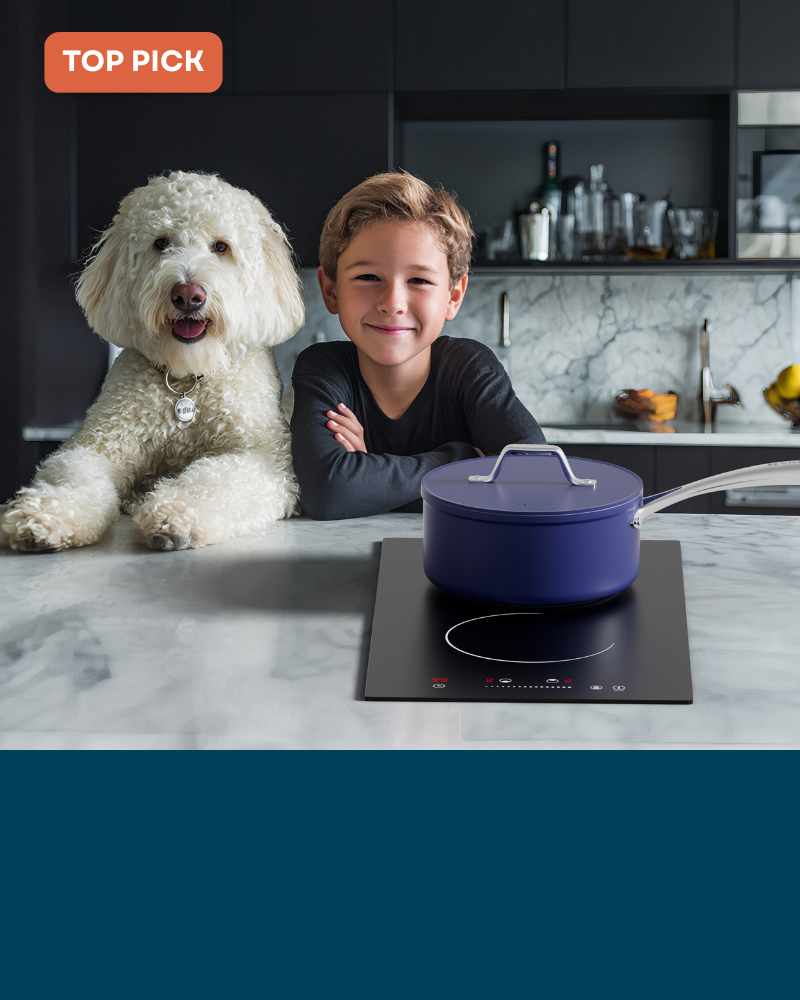
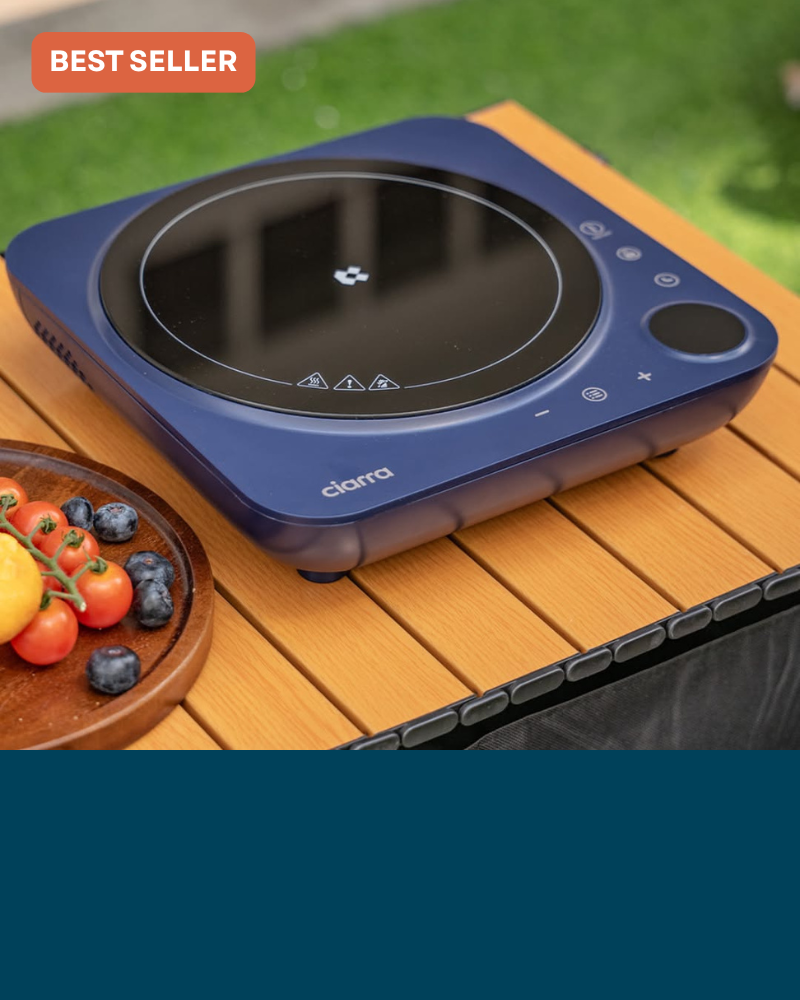
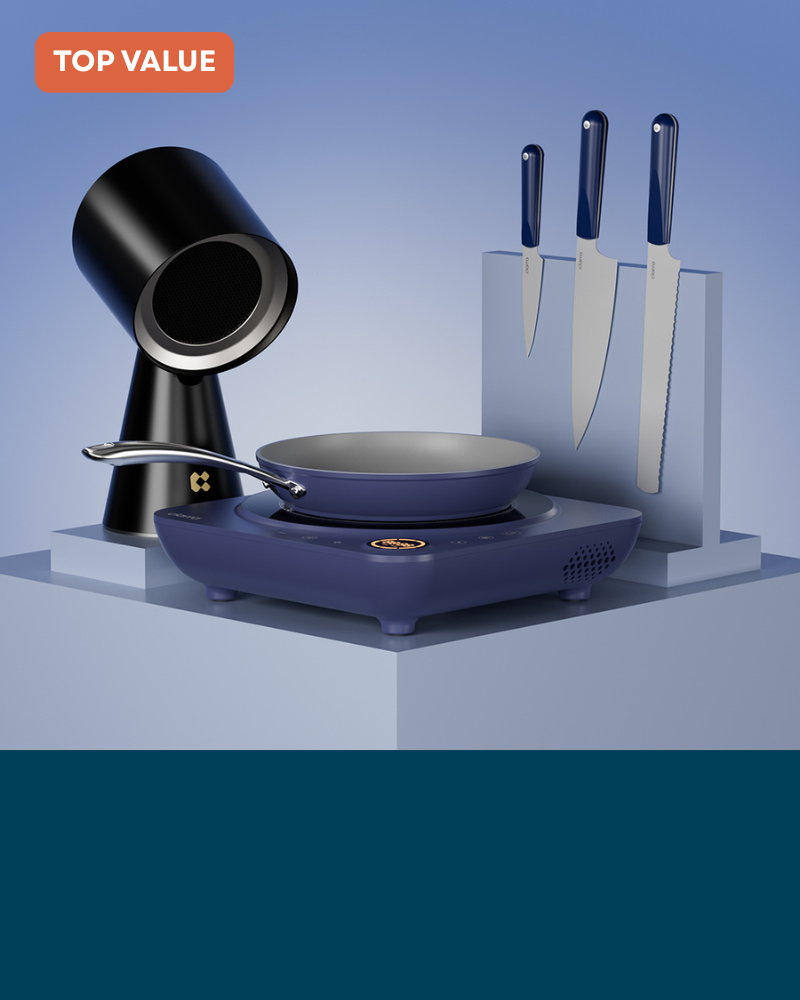



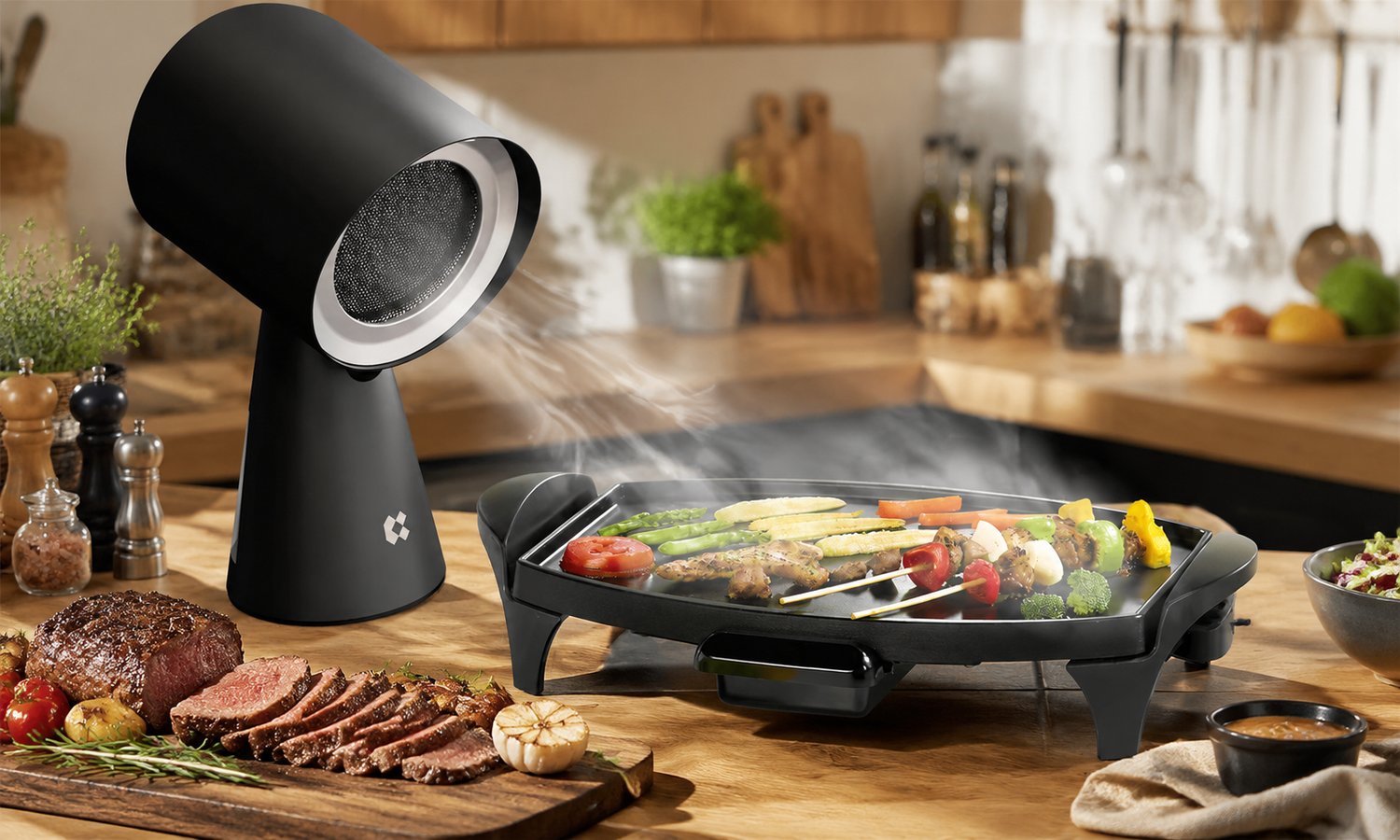
In recent years, the demand for desktop range hoods (also known as portable range hood or tabletop exhaust fan) has grown significantly in the United States, especially among apartment dwellers, small kitchen users, and people without built-in ventilation systems. Unlike traditional ducted range hoods, these compact devices sit directly on the countertop and use internal filtration systems to capture smoke, grease, and cooking odors before recirculating air back into the kitchen.
However, based on discussions across consumer forums and real user feedback, many buyers approach this product category with both curiosity and skepticism. The core interest is simple: Can a small, portable device really replace a full-size kitchen hood?
This article explores the most common concerns, expectations, and real-world questions raised by US consumers when researching desktop range hoods.
1. Real-World Performance: “Does it Actually Work While Cooking?”
One of the most frequently discussed topics is whether desktop range hoods are effective during everyday cooking. Users often question if these compact units can handle:
- Frying bacon, steak, or burgers
- Stir-frying at high heat
- Cooking with heavy oil or smoke
Many consumers expect strong smoke capture performance but remain unsure if the airflow is powerful enough to match real kitchen conditions.
If you are expecting it to perform like a real, ducted overhead hood that vents outside, you will be disappointed. Ducted hoods rely on high CFM (Cubic Feet per Minute) ratings—usually between 300 to 900 CFM—and pull air completely out of the house. A tabletop unit, by contrast, operates on much lower CFM and relies entirely on recirculating air filtration.
2. Smoke vs. Odor Control: “Why Does My Kitchen Still Smell?”
Another major concern is the difference between visible smoke removal and odor elimination. Forum users often report that:
Smoke is partially reduced
But food smells still linger after cooking
This leads to questions about filtration efficiency, especially regarding carbon filters and multi-layer filtration systems used in most desktop range hoods.
The reduction in smoke indicates these units are actually quite effective at capturing steam (like water vapor from a boiling pot of pasta or a hot pot session). However, smoke and oil fumes from high-heat searing or frying bacon are a completely different beast.
Because oil smoke particles are incredibly fine and travel rapidly, a desktop hood will not capture 100% of the smoke. It will heavily reduce the volume of smoke in the air—often enough to prevent sensitive apartment smoke alarms from going off—but it won't eliminate it entirely.
3. Airflow Power (CFM): “How Strong is Strong Enough?”
US buyers frequently focus on CFM (cubic feet per minute), trying to understand what level of airflow is needed for real cooking scenarios. Common questions include:
- Is 50–100 CFM enough for daily use?
- Why do some models feel “weak” even at high speed?
- Does proximity to the pan affect suction performance?
This is a key decision factor for performance expectations.
The Positioning Critical Rule
The laws of physics are working against tabletop fans. Suction power drops off drastically just a few inches away from the fan face.
The Reality: If you place the unit a foot away from your skillet, it will pull almost zero smoke.
The Fix: To actually capture grease and smoke while searing a steak, the unit must be positioned directly next to the rim of the pan, angled precisely toward the rising plume.
The Battle Against Grease and Smells
One of the biggest complaints about small-space cooking is the sticky layer of oil that settles on countertops, cabinets, and walls over time.
Do They Capture Grease?
Yes, but it depends entirely on the filter system. Units that feature a multi-layer filtration system (usually an aluminum or steel mesh grease filter combined with a polymer filter) do a solid job of catching heavy oil droplets before they land on your cabinets. If you choose a cheap, mesh-only model, a lot of micro-grease will simply pass right through the fan and blow out the back.
4. Apartment & Small Kitchen Use: “Is This Good for Rentals?”
Desktop range hoods are especially popular among renters and apartment users who cannot install ducted systems. Typical concerns include:
Can it replace a window ventilation setup?
Is it suitable for kitchens with no external vent?
Will it help reduce smoke alarm triggers?
Many users see it as a “second-best solution” rather than a full replacement.
If your portable hood is running but your apartment still smells like bacon two hours later, your activated carbon filter is either saturated or too thin.
While the mesh filter traps the physical grease, the carbon filter is responsible for neutralizing odors. Because these units are compact, their carbon filters are relatively thin compared to massive overhead units. They will reduce the immediate punch of the cooking smell, but for heavy cooking, you will still want to crack a window or use a supportive window vent setup to flush out residual odors.
5. Filter Maintenance: “How Often Do I Need to Replace Filters?”
Maintenance is a recurring discussion point. Consumers often ask:
How long do carbon filters last?
Are replacement filters expensive or hard to find?
Can filters be washed or reused?
Ease of maintenance strongly influences long-term satisfaction.
Maintenance, Cost, and Daily Usability
Before making countertop space for one of these gadgets, there are a few practical trade-offs to consider:
Filter Replacement Costs: The aluminum grease mesh can usually be popped into the dishwasher or washed with dish soap. However, the carbon filters cannot be washed and must be replaced every 2 to 4 months depending on how often you fry food. Before buying a specific brand, check online to ensure replacement filters are affordable and easily available.
The Noise-to-Power Ratio: A common frustration is that these devices can be quite loud on their highest setting, yet the airflow feels weak. This is because pulling thick smoke through dense multi-layer filters requires a high-pressure motor, which naturally generates a high-pitched hum.
Countertop Footprint: While they are designed to be portable, they still take up valuable real estate right next to your stove. If you have a crowded two-burner apartment range, factoring in the base of the hood is essential.
How to Choose the Best Desktop Range Hood: A Buyer’s Guide for Smart Shoppers
If you’re planning to buy a portable desktop range hood or tabletop kitchen exhaust fan, don’t just focus on price or design. Many low-cost models look similar online but perform very differently in real cooking conditions like frying, searing, or stir-frying. To avoid disappointment, here are the key features that actually matter.
1. Multi-Layer Filtration System (Not Just a Metal Filter)
A basic metal mesh alone is not enough for real smoke and odor control.
First layer (grease capture): Look for a removable, washable aluminum or stainless-steel mesh filter that traps oil splatter and large particles.
Second layer (odor control): A high-density activated carbon filter is essential to absorb cooking smells and fine smoke. Some better models use multi-stage or composite filters for stronger purification.
Also check how easy it is to replace filters—and how much replacements cost—because long-term maintenance is often overlooked.
2. Built-In Oil Collection System (Grease Management Matters)
During high-heat cooking like frying or grilling, a significant amount of grease becomes airborne and gets pulled into the unit.
A well-designed desktop range hood should include:
A removable oil cup or grease tray
A clear path for oil to collect safely instead of coating internal components
Without this feature, grease can build up inside the machine, affect performance, and even shorten motor lifespan while making countertop cleanup more difficult.

3. Strong Airflow with High Static Pressure (Not Just High CFM Numbers)
Airflow ratings (CFM) can be misleading in portable units. A fan may look powerful on paper, but performance drops once filters are installed.
What really matters is:
A high-torque or brushless DC motor
Strong static pressure to push air through dense filters
Stable suction performance close to the cooking surface
In real use, this determines whether smoke is actually captured or just pushed around the kitchen.
Ciarra Gadgets Hood To Go – Portable Range Hood Solutions for Cleaner Cooking Air
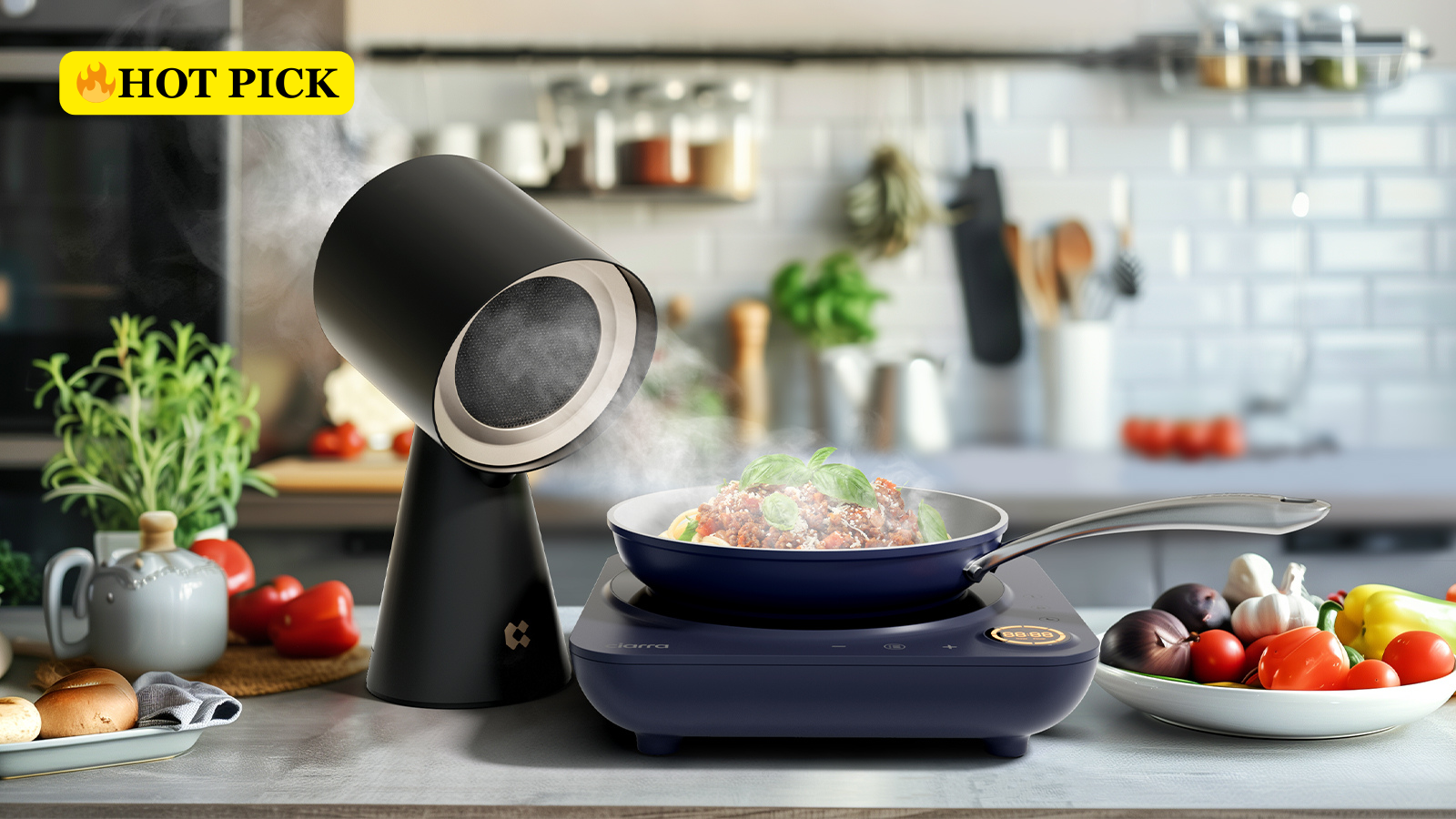
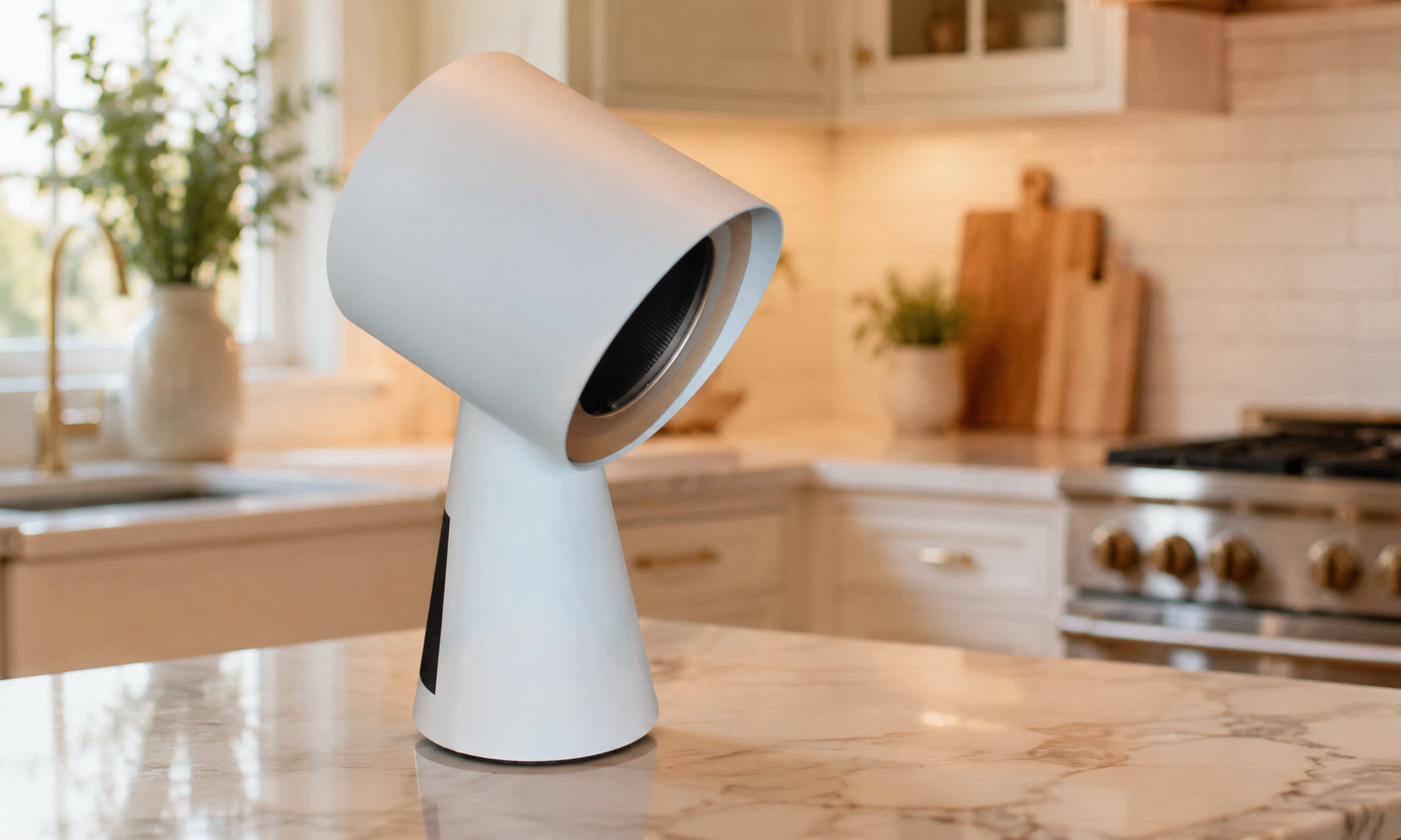
1. Hood To Go (Shadow Noir) – Compact Triple-Filtration Desktop Range Hood
The Hood To Go Shadow Noir is a portable kitchen air cleaner designed for small kitchens, apartments, RVs, and countertop cooking. It features a triple-layer filtration system that combines a polymer layer for grease separation, an aluminum mesh filter for oil capture, and an activated carbon filter for odor removal.

A built-in large oil collection cup helps manage grease buildup during frying or searing, making cleanup easier and keeping internal components protected. With a 70 CFM airflow system and strong suction design, it helps actively pull cooking fumes into the filtration system instead of letting them spread around the kitchen.

Designed for convenience, it offers a 2-speed adjustable fan, low-noise operation (under 6.5 sones), and a compact plug-and-use design with no installation required. Its lightweight structure makes it easy to move between kitchen, dorm, or outdoor cooking spaces.

2. Hood To Go Pro – Enhanced Portable Range Hood with Stronger Air Control
The Hood To Go Pro is a premium portable range hood built for more demanding cooking environments, including high-heat frying and RV kitchens. It also uses a three-stage filtration system: a polymer layer for grease separation, an aluminum filter for fine particles, and an activated carbon layer for odor neutralization.

It is equipped with a large removable grease cup to efficiently collect oil during cooking, helping maintain cleaner airflow and reducing internal buildup. The upgraded motor delivers strong, adjustable suction with 3 speed levels, allowing users to match airflow intensity to different cooking styles.
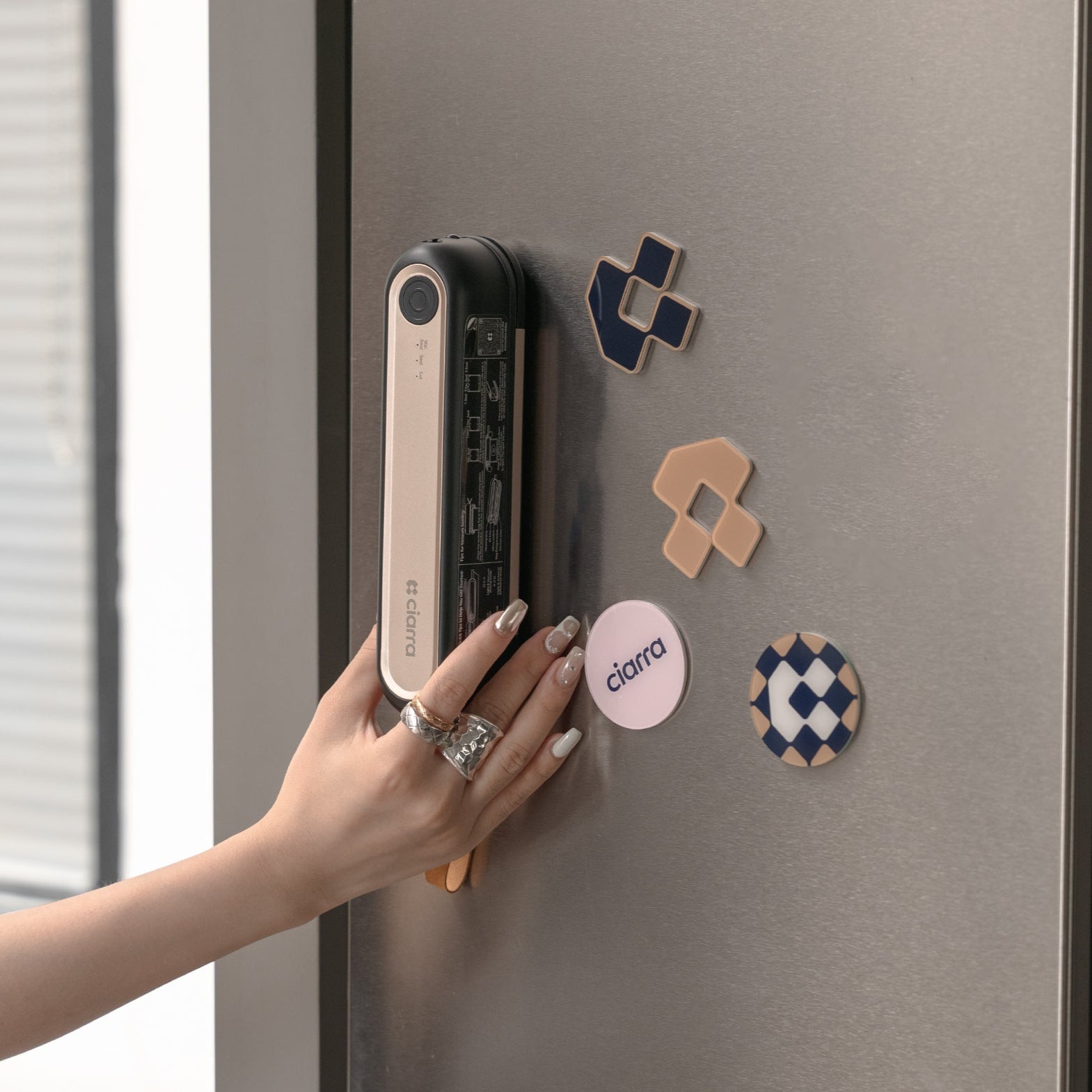
Designed for flexibility, the Pro version supports USB-C power input, making it compatible with power banks for true portability. Its stable structure, modern finish, and easy magnetic filter system make maintenance simple while maintaining consistent high-pressure airflow for effective smoke capture in real cooking conditions.

The Verdict: Is It Worth It For Your Kitchen?
Skip it if: You routinely do high-heat, heavy-smoke cooking like wok stir-fries or frequent cast-iron searing, and you expect pristine, odor-free air. A desktop hood simply cannot handle that volume of intense oil vapor on its own.
Buy it if: You live in an apartment or rental with zero external venting, and your current microwave "exhaust" just blows smoke back into your face. It is an excellent supplementary tool to catch steam, reduce grease buildup on your surrounding cabinets, and keep your apartment smoke detector from waking up the neighbors. Just remember to keep it close to the pan, wash the filters regularly, and crack a window when the bacon hits the grease.


Dejar un comentario
Todos los comentarios se revisan antes de su publicación.
Este sitio está protegido por hCaptcha y se aplican la Política de privacidad de hCaptcha y los Términos del servicio.